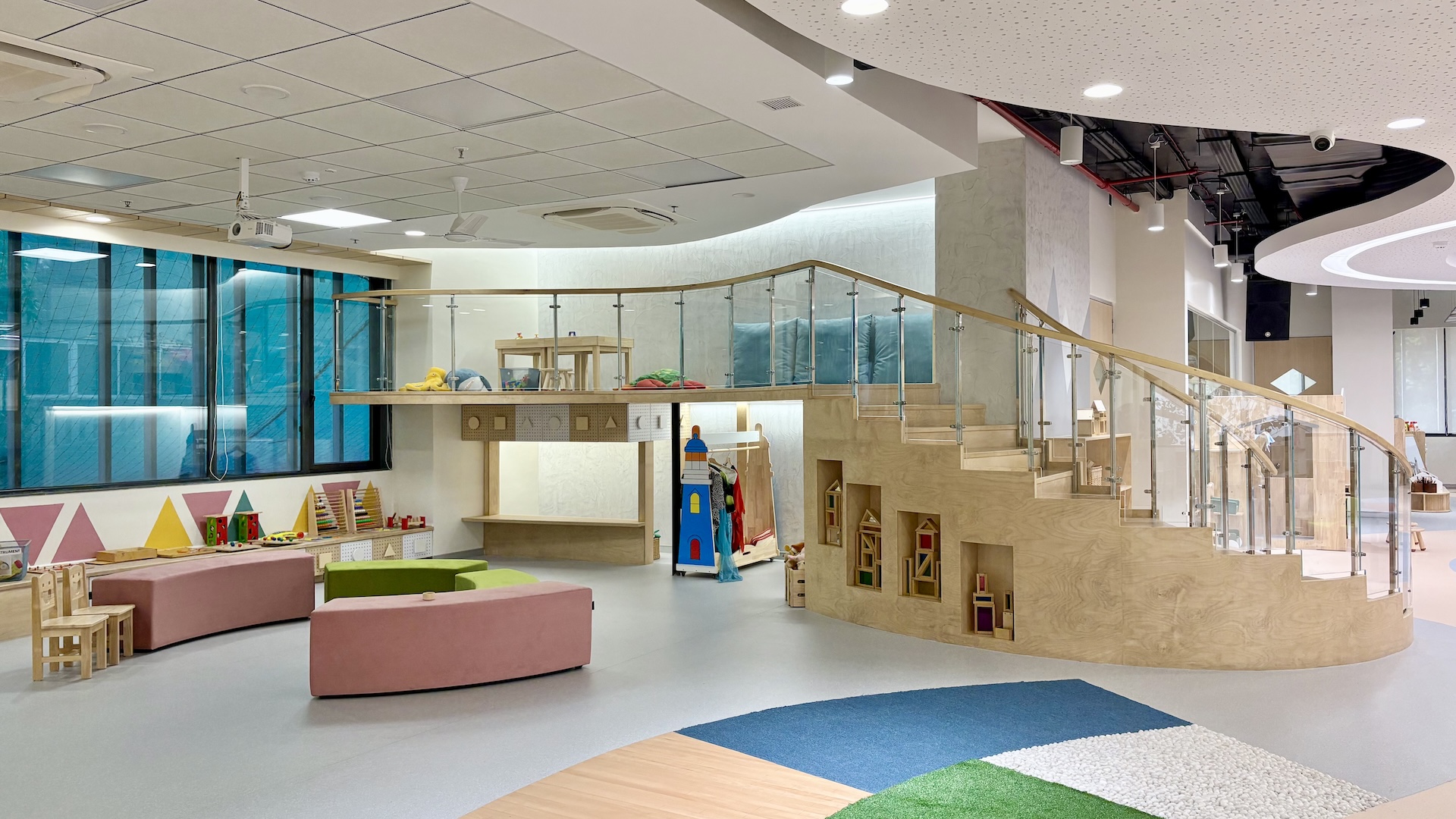

India’s approach to education is entering a defining period. As families, schools and communities adapt to changing expectations, the learning experience is becoming more child-centred, flexible and mindful. The shift is driven by fresh ideas, stronger awareness of wellbeing and global research that encourages development through curiosity and meaningful interactions. Models such as FinlandWay, which emphasise joy, empowerment and quality, continue to inspire many schools to rethink their learning environments.
From classrooms in Delhi to preschools and nurseries in Bangalore, there is a growing demand for calmer routines, creative spaces and teaching that supports confidence. These changes reflect wider Indian education trends and a collective desire to prepare children for a future built on communication, adaptability and emotional strength.

A new chapter for the education system in India
Why education is changing faster than ever
The education system in India is evolving at remarkable speed. Cities are expanding, digital access is increasing and families are more informed than ever before. Parents want their children to communicate confidently, solve problems calmly and explore the world with curiosity. As a result, schools are rethinking not just what children learn, but how they learn.
Simultaneously, the National Education Policy 2020 (NEP) rollout is putting emphases on early years of learning. The policy embraces play-based, activity-centered learning that supports holistic development rather than rote memorisation.
The traditional approach that focused heavily on memorisation is slowly giving way to more thoughtful and balanced learning experiences. This is where modern education in India stands out — it emphasises expression, independence, and emotional wellbeing.
How modern education in India responds to today’s needs
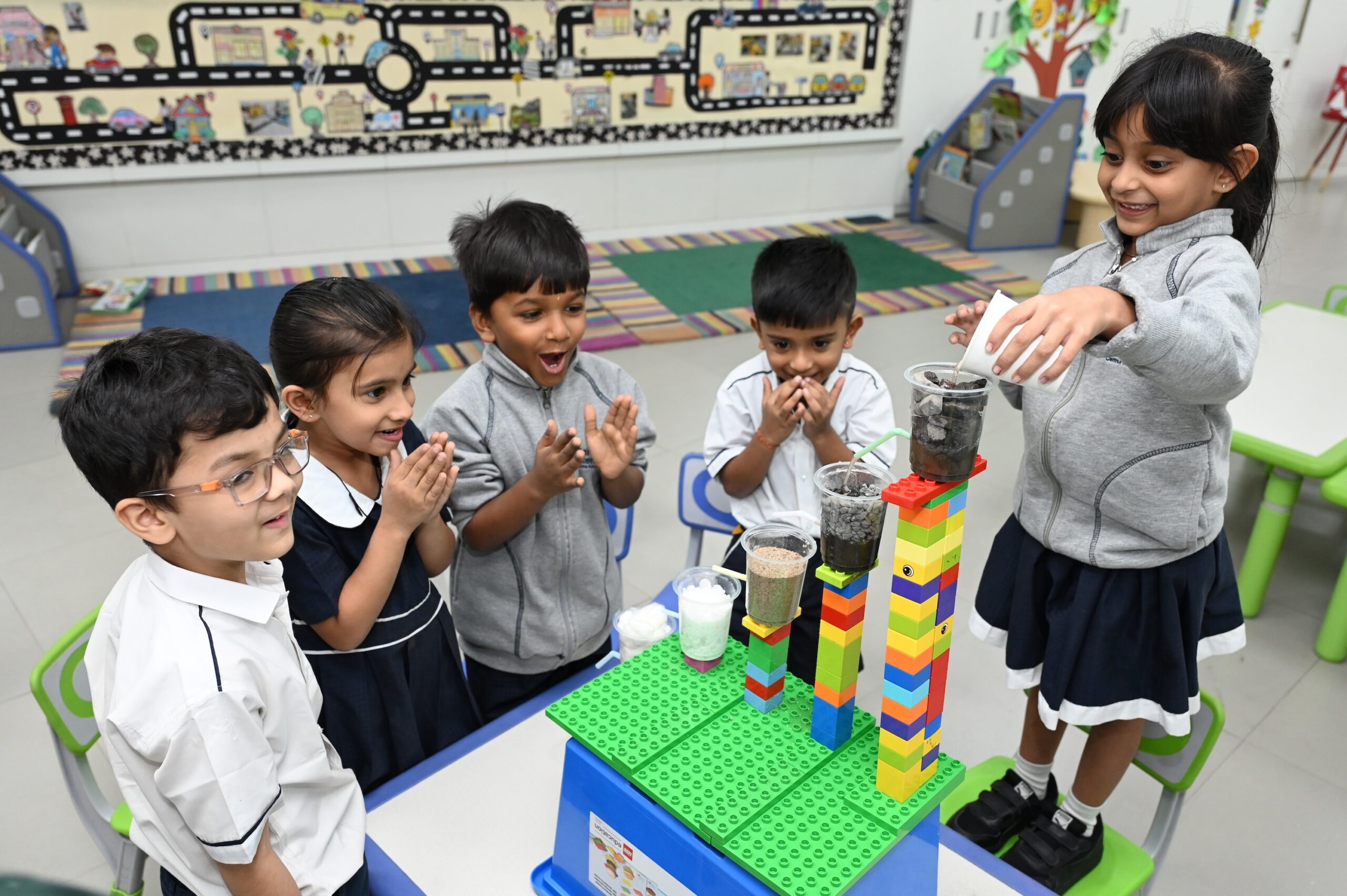
Schools are introducing routines and environments that help children feel safe, empowered and willing to try new things. Many classrooms now integrate hands-on learning, storytelling, creative challenges and opportunities for movement. Instead of pressure-driven environments, teachers are creating calm, structured days that support developmental needs.
This transformation is not limited to big cities; smaller towns and regions are also adopting improvements inspired by global best practices.
The top Indian education trends shaping learning in 2026
Personalised learning that follows each child’s pace
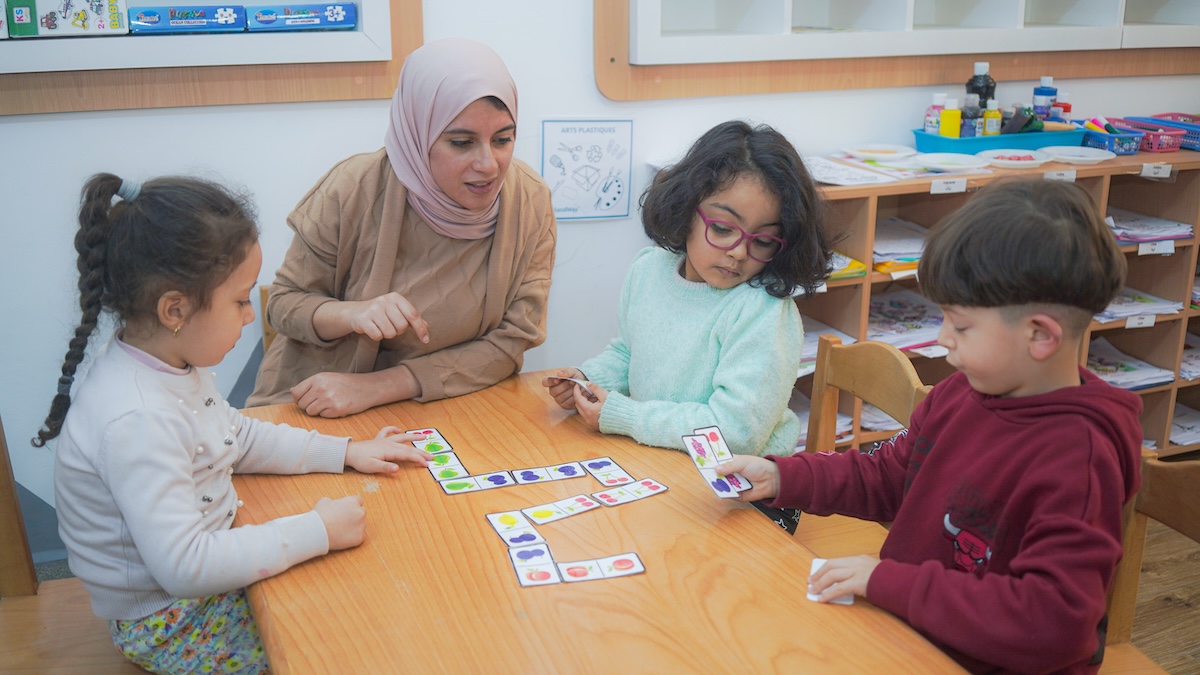
One of the most important Indian education trends is the shift toward personalised learning. Teachers observe each child’s actions, communication and interactions to understand their developmental stage. This approach helps children work toward learning objectives without unnecessary pressure.
This requires qualified teachers who know how to observe, document and plan for their group and children. One of the NEP’s priorities is to build qualified ECE workforce that can playful and child-centred pedagogy.
A rise in active learning inside and outside classrooms
Schools are investing more time in meaningful experiences rather than worksheets. Nature walks, inquiry tables, sensory materials and simple real-life tasks help children make sense of the world. These experiences strengthen communication, problem solving and emotional understanding.
Digital tools becoming lighter and more purposeful
In the past, technology was often used heavily or not at all. In 2026, modern education in India uses digital tools only when they genuinely improve learning. Examples include digital storytelling, language practice, environmental exploration and communication with families. The aim is to support creativity and awareness without overwhelming children.
Learning spaces designed for calm and curiosity
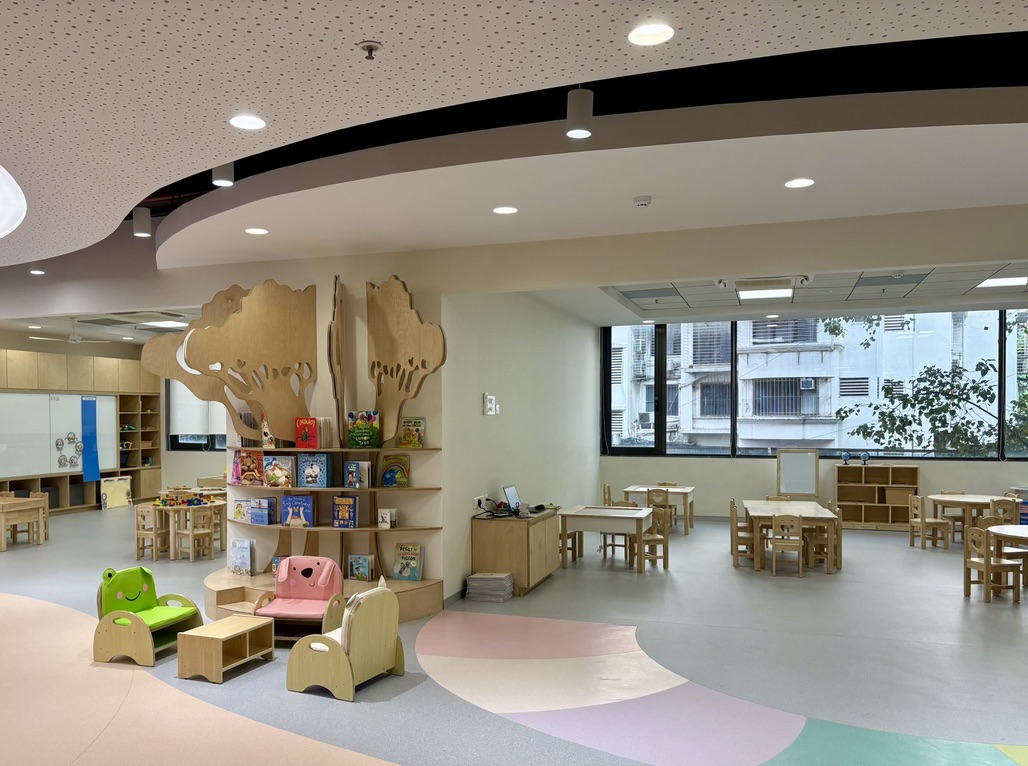
Classrooms are being redesigned to feel welcoming instead of rigid. Many schools now include:
- Flexible seating options
- Natural materials
- Soft lighting
- Easy-to-reach shelves
- Activity zones for reading, building, drawing or movement

How learning environments in India are being redesigned for 2026
Classrooms becoming more flexible and child-centred
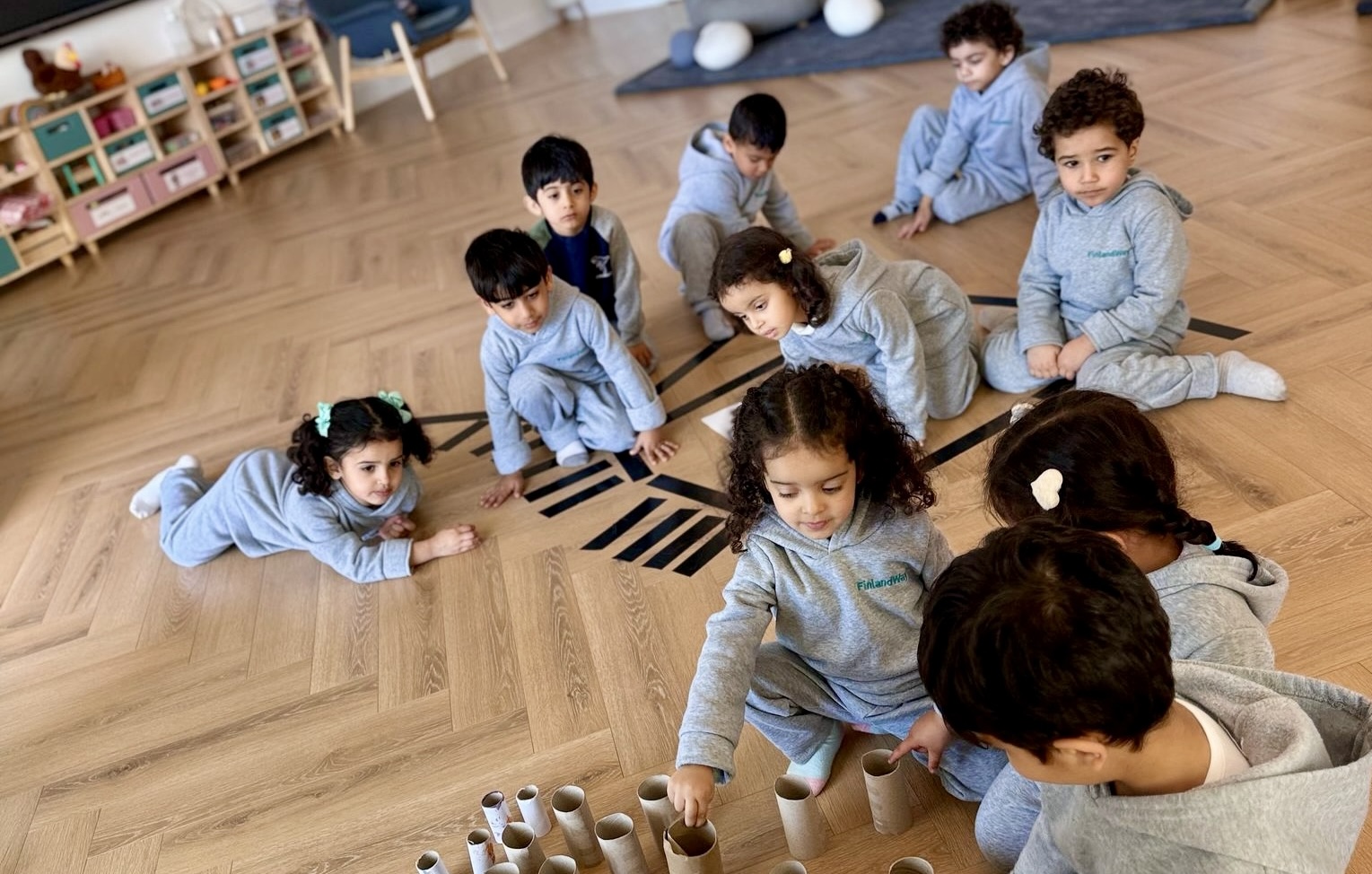
Instead of fixed desk rows, classrooms now promote independence. Children can move freely between areas designed for different purposes, whether that’s reading, constructing, exploring textures or engaging in pretend play. These layouts help children feel more confident and in control of their learning.
Spaces that support movement, creativity and emotional safety
Schools across India are investing in environments that encourage expression, calmness and imagination. These include:
- Storytelling corners
- Sensory play areas
- Open-ended art stations
- Outdoor learning spaces
- Quiet areas for emotional regulation
These spaces make it easier for teachers to support each child’s social and emotional development.
Creating learning moments through everyday experiences
Many learning opportunities come from simple daily routines: organising shelves, watering plants, group discussions or role play activities. These everyday experiences teach responsibility, cooperation and life skills.
What Indian parents want from education in 2026
Below is a snapshot of current parental expectations based on evolving Indian education trends:
| Expectation | Percentage of parents |
| Focus on wellbeing | 79% |
| Calm, balanced classrooms | 72% |
| Trained teachers | 86% |
| Child-led exploration | 68% |
| Purposeful technology | 70% |
Parents consistently highlight the importance of supportive routines, child-friendly communication and skilled teachers who know how to guide development at an appropriate pace.
How India’s classrooms are evolving for a new generation
Open-ended materials and practical learning experiences
Teachers now use real objects, natural items, art materials and movement-based activities to stimulate curiosity. For example:
- Building simple structures
- Engaging in pretend play
- Observing weather, plants or insects
- Participating in music and rhythm activities
These tasks support creativity, environmental awareness and communication skills.
Movement-friendly and expressive spaces
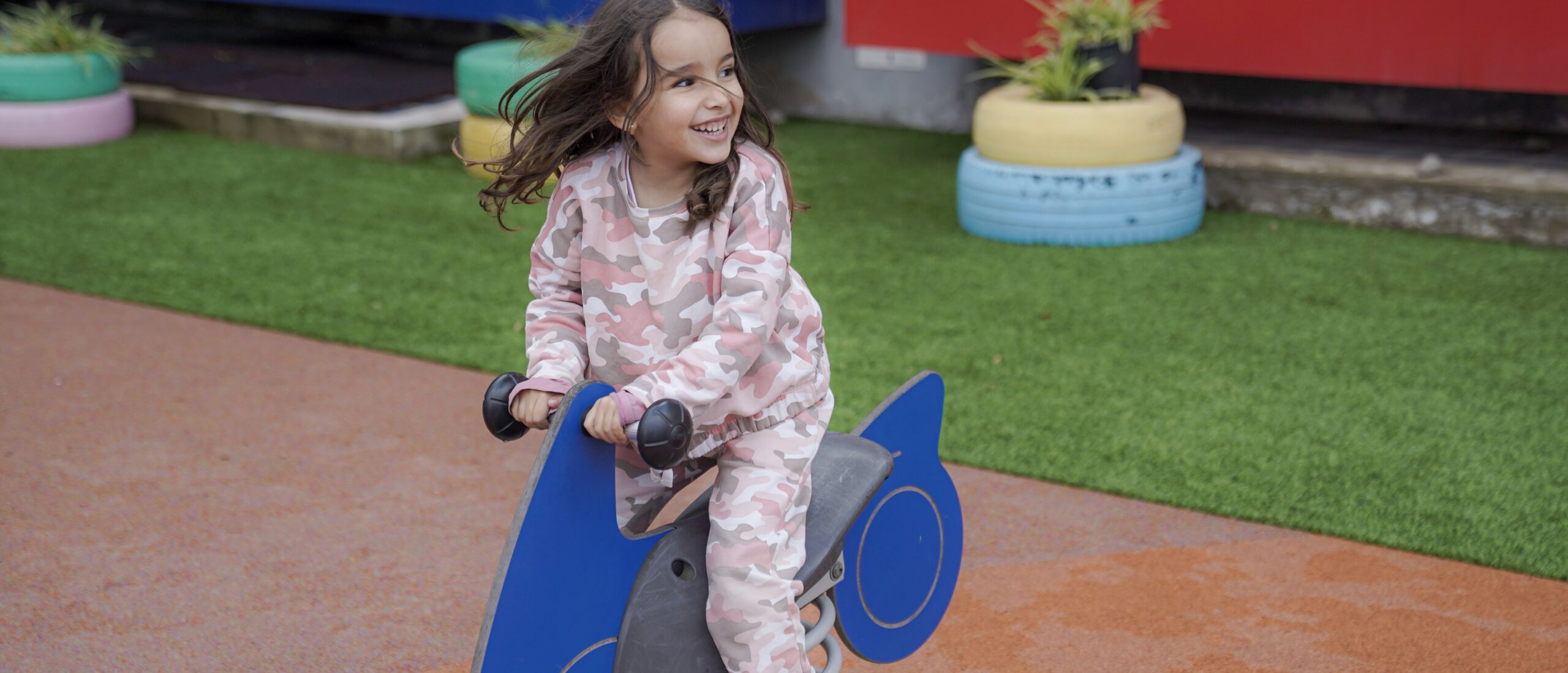
Instead of expecting children to sit still for long periods, schools recognise that movement supports wellbeing and confidence. Areas for dancing, stretching, reading quietly or exploring sensory materials help children express themselves in positive ways.

Modern education in India versus traditional approaches
Key differences shaping Indian education trends
| Aspect | Traditional approach | Modern education in India |
| Teaching style | Teacher-led instruction | Teacher-as-guide |
| Environment | Fixed desks, rigid layout | Flexible and exploratory |
| Assessment | Tests and memorisation | Observation and learning objectives |
| Focus | Academics only | Whole-child development including wellbeing |
These differences demonstrate why families increasingly prefer balanced learning experiences over purely academic environments.
How these changes support India’s long-term goals
Preparing children for a creative and interconnected world
India’s growing innovation sector needs confident communicators and creative thinkers. As children develop curiosity, resilience and social understanding, they become better prepared for future challenges.
Family-school partnerships becoming stronger
Schools now communicate more openly with families, sharing observations, photos and updates. Parents feel more connected to the learning experience and can reinforce life skills at home.
What schools must prioritise to remain future-ready by 2026
Schools aiming to stay ahead in 2026 focus on:
- Continuous teacher training
- Balanced use of digital tools
- Safe and flexible learning environments
- Strong communication with families
- Clear learning objectives based on developmental milestones
- Opportunities for creative and outdoor learning
How parents in India can select the right school
Key steps during school visits
Parents can look for:
- Warm teacher-child relationships
- Calm and well-organised classrooms
- Areas for creativity, movement and exploration
- Evidence of daily routines supporting wellbeing
Questions to ask during admission meetings
- How do you support social and emotional development?
- How do you observe and document progress?
- How do you integrate technology in a balanced way?
- What does a typical day look like?
FAQs about education in India 2026
- What is driving the latest Indian education trends?
The New Education Policy 2020 that is a shift toward developmental learning, emotional wellbeing and personalised support. - Will children use more technology?
Only when it supports meaningful exploration, not as a main driver of learning. - Do modern preschools still teach traditional subjects?
Most focus on developmental areas rather than subject-based teaching. - Will these changes reduce pressure on children?
Yes, the goal is to create calmer, confidence-building environments. - How do families influence learning?
Family involvement reinforces life skills, communication and emotional growth.
Conclusion
India is moving towards a more thoughtful, supportive and future-ready approach to education. Schools are adopting practices that help children become confident, creative and emotionally strong. With greater focus on wellbeing, flexible environments and purposeful technology, modern education in India is preparing the next generation for a bright and dynamic future.