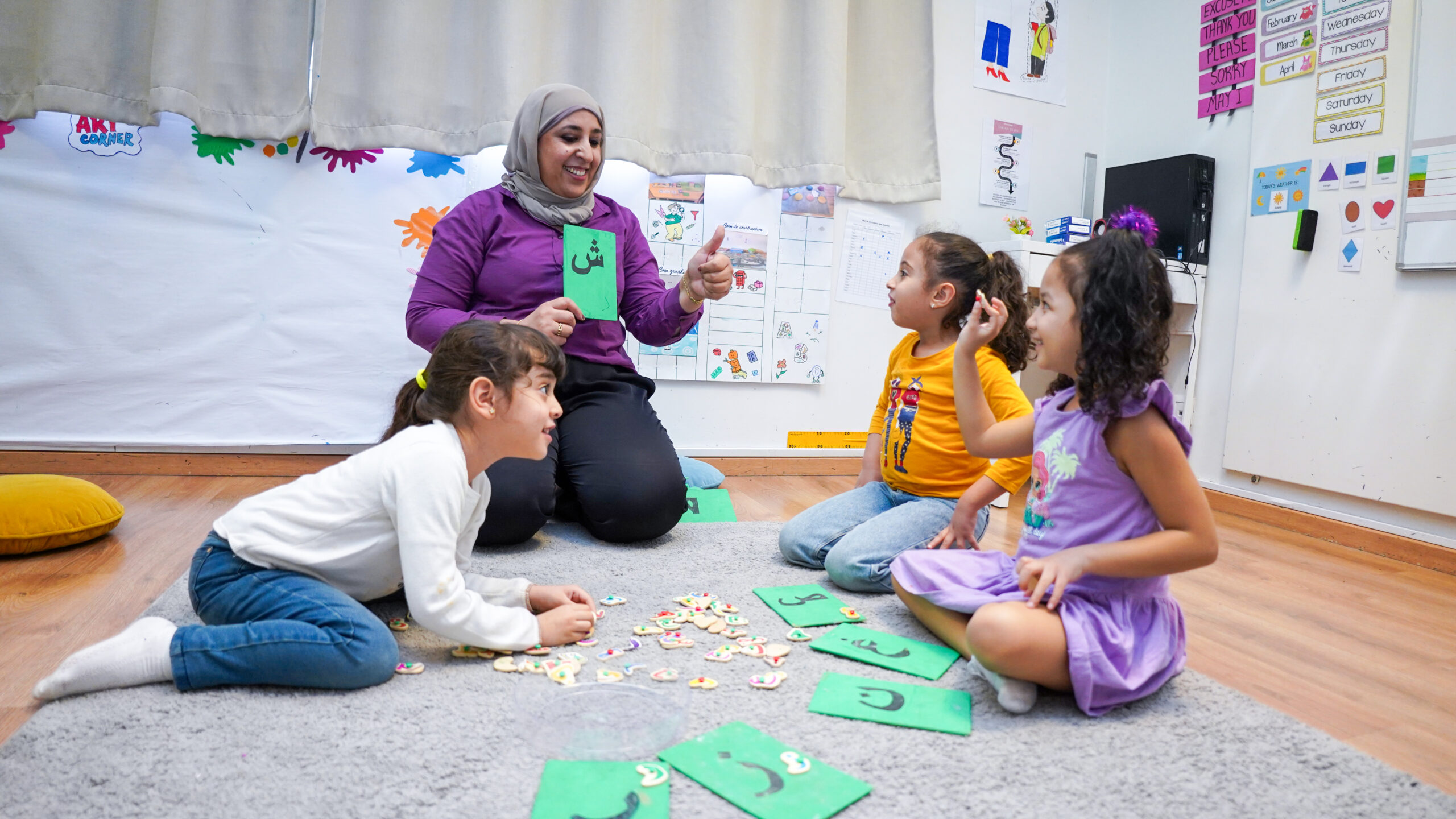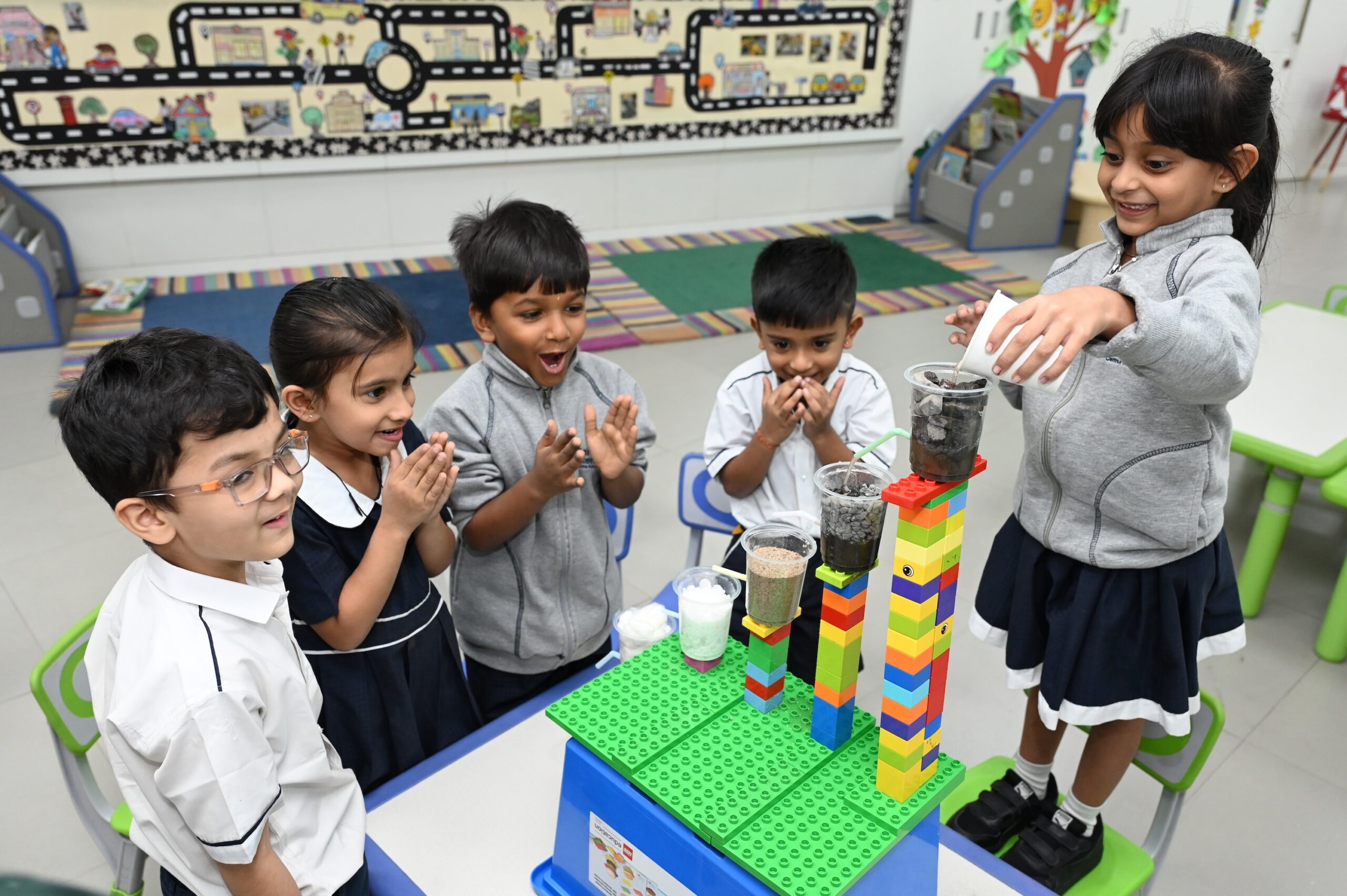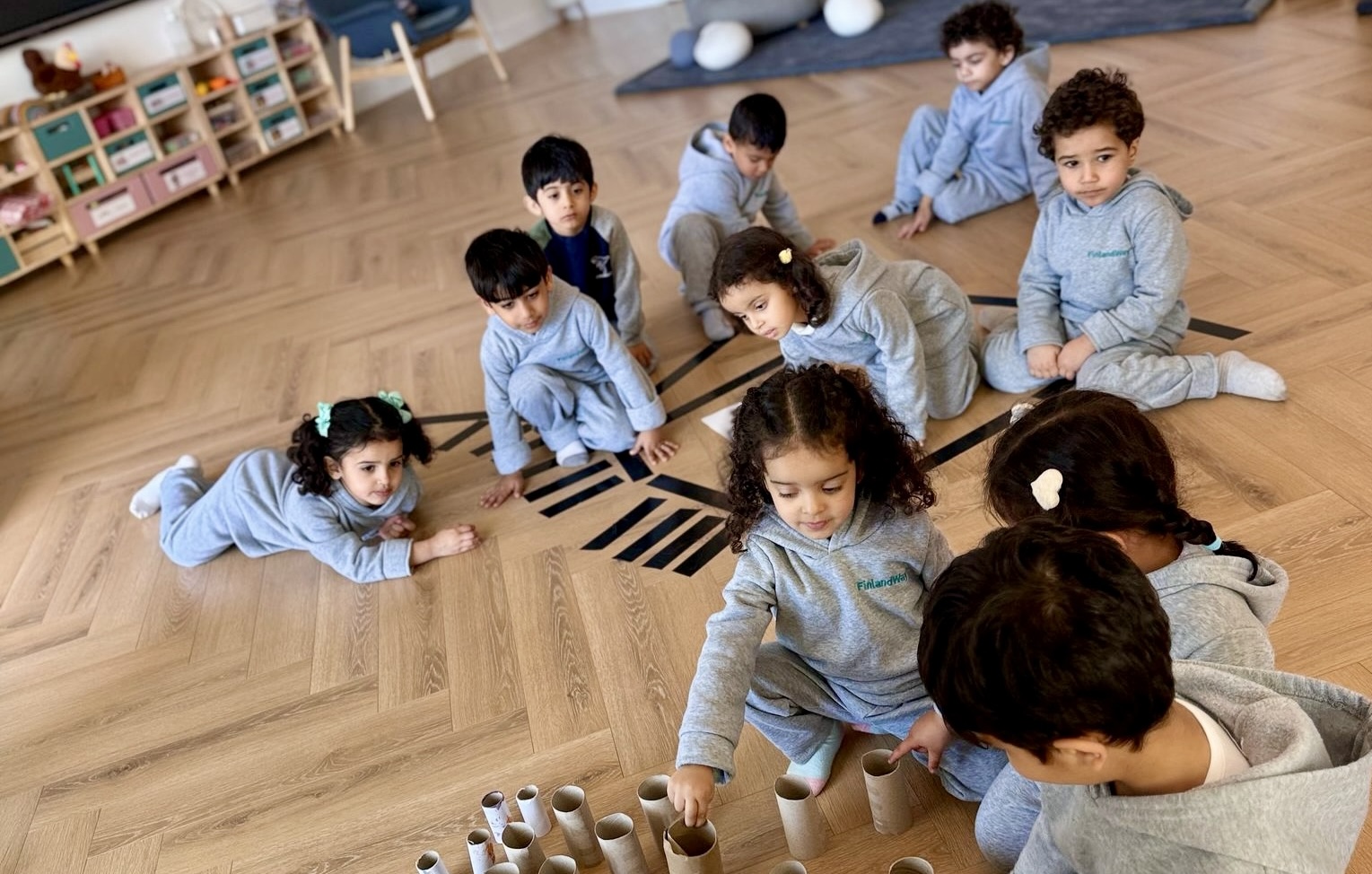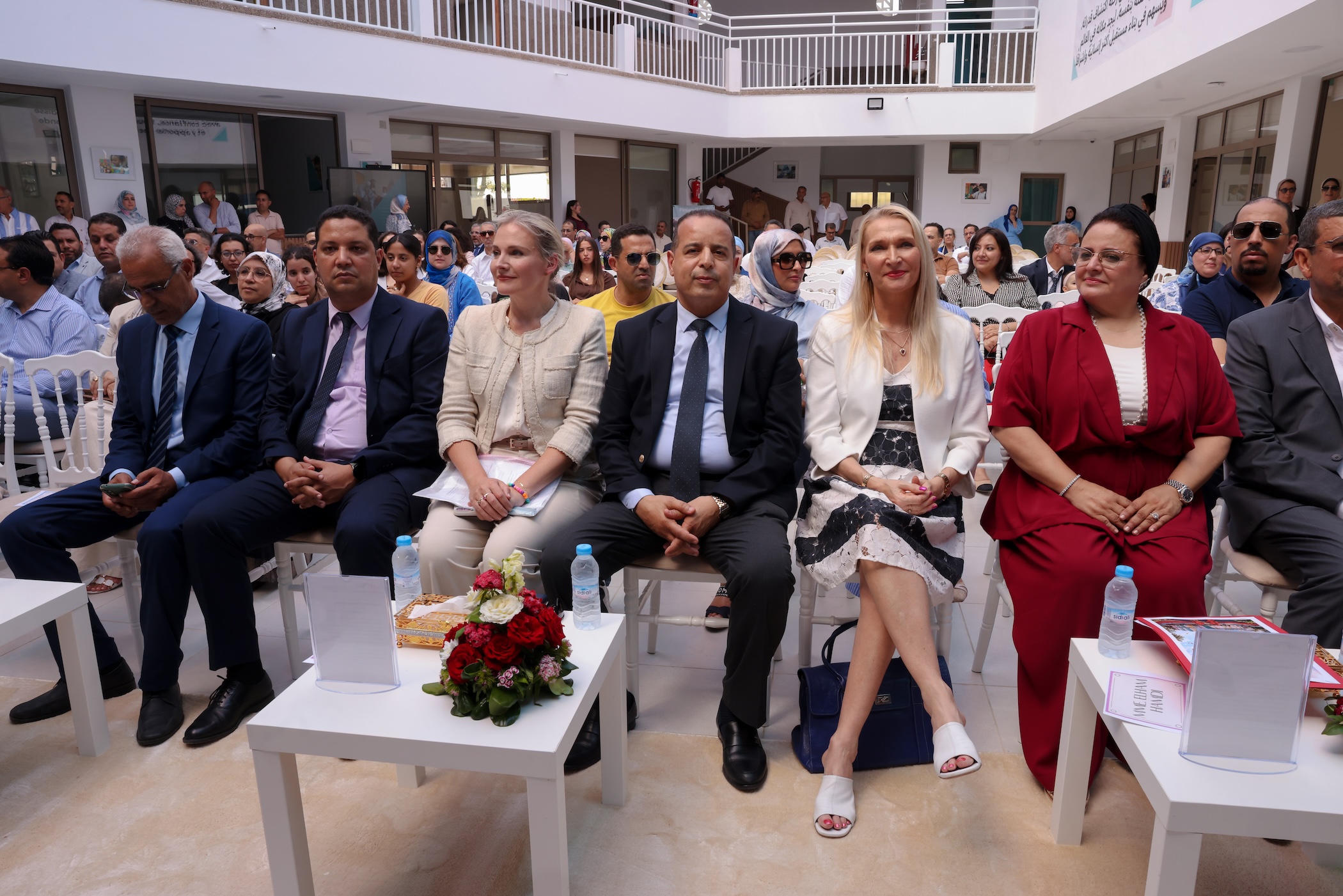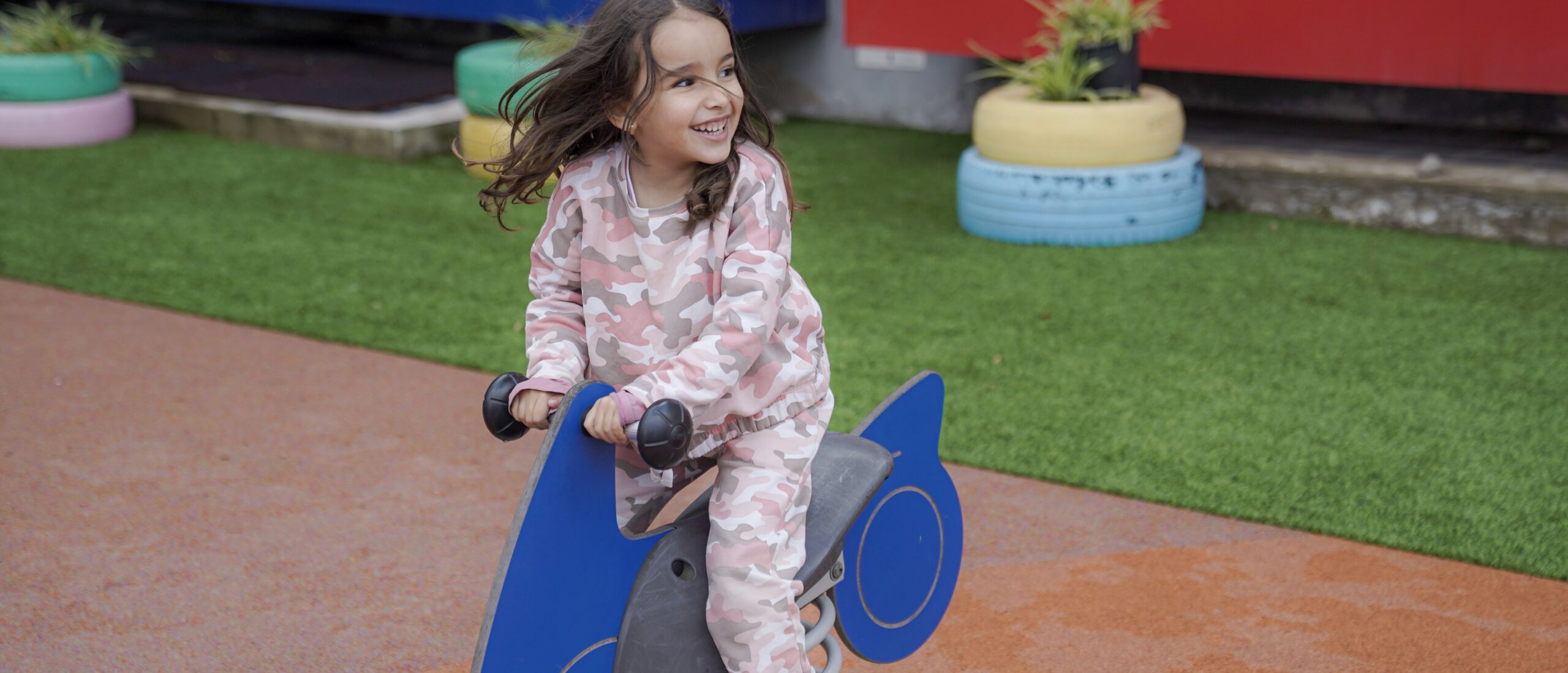

Early childhood education (ECE) plays a pivotal role in shaping the cognitive, emotional, and social development of children. Research consistently demonstrates that the first few years of life are crucial for laying the foundation for lifelong success. The quality of early learning experiences impacts not only a child’s academic achievements but also their social skills, emotional regulation, and overall well-being.
The critical window of development
The first five years of life are a period of rapid brain development, with 700 new neural connections formed per second. These early experiences profoundly influence cognitive abilities, language skills, and emotional regulation. Children who attend high-quality ECE programmes are more likely to perform better academically, exhibit higher levels of self-regulation, and experience greater success in life.
Early childhood education also contributes to the development of social and emotional skills such as empathy, resilience, and collaboration. Research highlights how play-based, child-centred learning fosters both cognitive development and essential social-emotional skills. This approach helps close achievement gaps and prepares children for long-term success, especially for those from disadvantaged backgrounds.
FinlandWay®’s holistic approach to learning
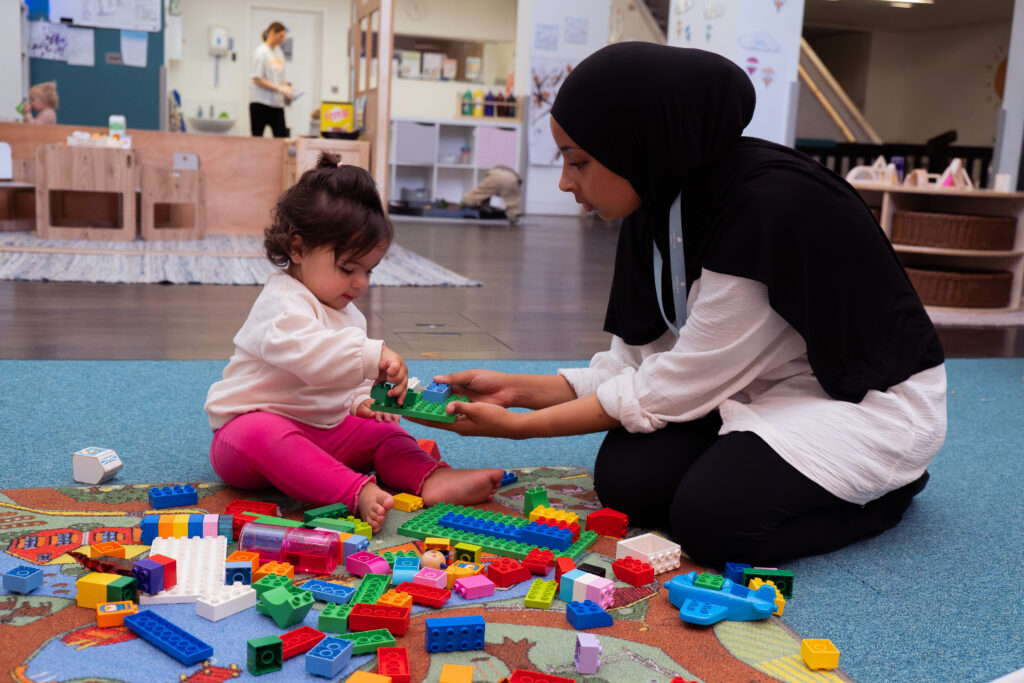
The FinlandWay® programme embodies these principles through a play-based, participative approach that educates teachers worldwide on the importance of play as a pedagogical tool. FinlandWay® encourages active, hands-on learning and collaboration, creating rich environments where children engage deeply with their surroundings. By learning through phenomena and real-life experiences, children develop critical thinking, creativity, and language skills in ways that extend beyond traditional academic subjects.
One of the key strengths of FinlandWay®’s curriculum is its focus on whole-child development. Rather than prioritising solely academics, FinlandWay® integrates activities such as arts, movement, and social interaction into daily learning. This holistic approach nurtures cognitive growth while also fostering emotional intelligence and social skills. Children learn to express themselves creatively, collaborate with peers, and regulate their emotions – essential tools for lifelong success.
Emotional and social competencies are crucial in early childhood education, as they form the foundation for navigating relationships and academic challenges later in life. Children who develop strong emotional regulation and social skills are better prepared to succeed in school and beyond.
FinlandWay®’s curriculum supports emotional development by creating a safe, supportive environment where children’s feelings are valued and respected. Educators act as role models, demonstrating empathy and patience. A key aspect of the programme is its emphasis on participation, ensuring that children’s opinions, ideas, and feelings are heard and respected. This approach fosters a sense of agency, helping children develop critical thinking, self-reflection, and problem-solving skills that empower them to navigate challenges and take responsibility for their learning.

The long-term benefits
The long-term benefits of high-quality early childhood education are well-documented. Studies from Finland show that children who participate in quality early education programmes tend to perform better academically, graduate at higher rates, and pursue stable careers. These programmes also contribute to improved mental and physical health, lower rates of behavioural problems, and greater civic engagement. By fostering the cognitive, emotional, and social development of young children, these programmes create a solid foundation for success, not just in school, but in all aspects of life.
Conclusion
Investing in early childhood education is not just about promoting individual well-being; it’s also a strategy for addressing societal challenges such as inequality and intergenerational poverty. FinlandWay® programme exemplifies how a well-rounded, play-based and child-centred approach can equip young learners with the skills they need for lifelong success. By empowering local educators with Finland’s world-leading practices, FinlandWay® helps create exceptional learning experiences that give children better beginnings and strengthen society.
References
American Academy of Pediatrics. (2021). The Power of Play: A Pediatric Role in Enhancing Development in Young Children. Pediatrics, 147(2), e2020040507.
Centre on the Developing Child. (2023). Early Childhood Development. Harvard University. Retrieved from [developingchild.harvard.edu]
Finnish Institute for Health and Welfare (THL). (2021). Early Childhood Education and Wellbeing: Long-Term Benefits. Retrieved from thl.fi.
Heckman, J. J. (2019). The Economics of Human Development and Social Mobility. Annual Review of Economics, 11, 1-23.
Juhlari, M., & Gissler, M. (2020). The Holistic Impact of Early Childhood Education in Finland: A Comprehensive Approach to Child Development. Journal of Finnish Educational Research, 14(2), 45-59.
Opetushallitus. (2020). Early Childhood Education in Finland: Frameworks, Goals, and Practices. Finnish National Agency for Education. Retrieved from oph.fi.