
Why international early years education is gaining traction in the UAE
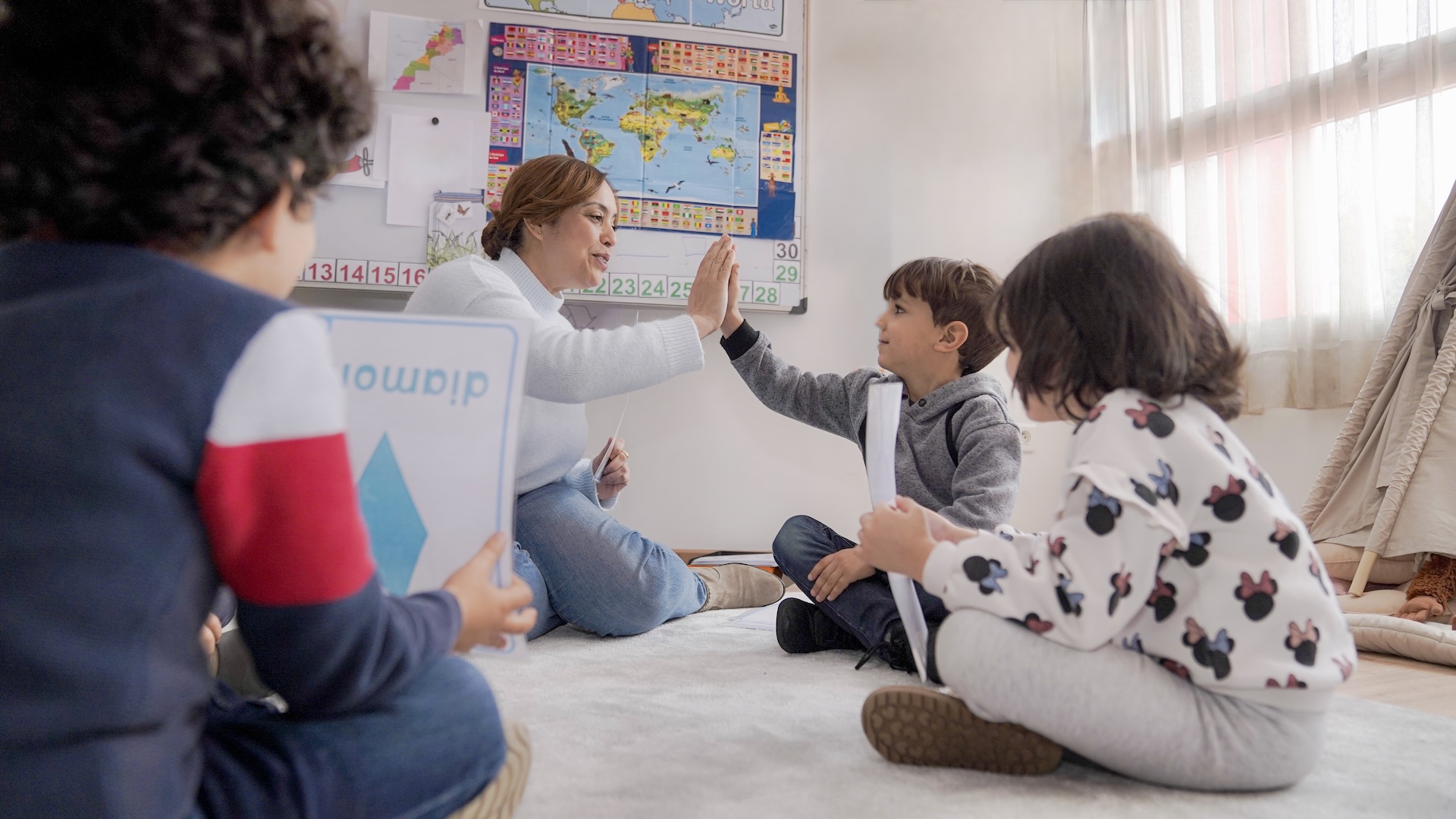
Over the past decade, international nurseries and preschools have become an increasingly important part of the UAE’s early childhood education landscape. With a population representing more than 200 nationalities, families are seeking early learning environments that reflect global values while supporting children’s development from the very beginning.
Parents recognise that the foundations for lifelong learning are built in the early years. As a result, demand has grown for nurseries and preschools that offer internationally inspired approaches alongside strong local oversight from authorities such as KHDA in Dubai and ADEK in Abu Dhabi.
The shift towards global education in the UAE early years context
Families in the UAE value early learning approaches that promote curiosity, independence, and wellbeing. Internationally recognised early years frameworks, such as play based and child centred models inspired by Finnish, British, and IB aligned philosophies, are increasingly popular.
All licensed nurseries and preschools operate under the regulation of KHDA or ADEK, ensuring that global best practices are delivered within the UAE’s quality standards and cultural expectations.
What makes an international nursery or preschool distinct
International nurseries and preschools in the UAE stand out because they:
- Employ qualified early years educators with international experience
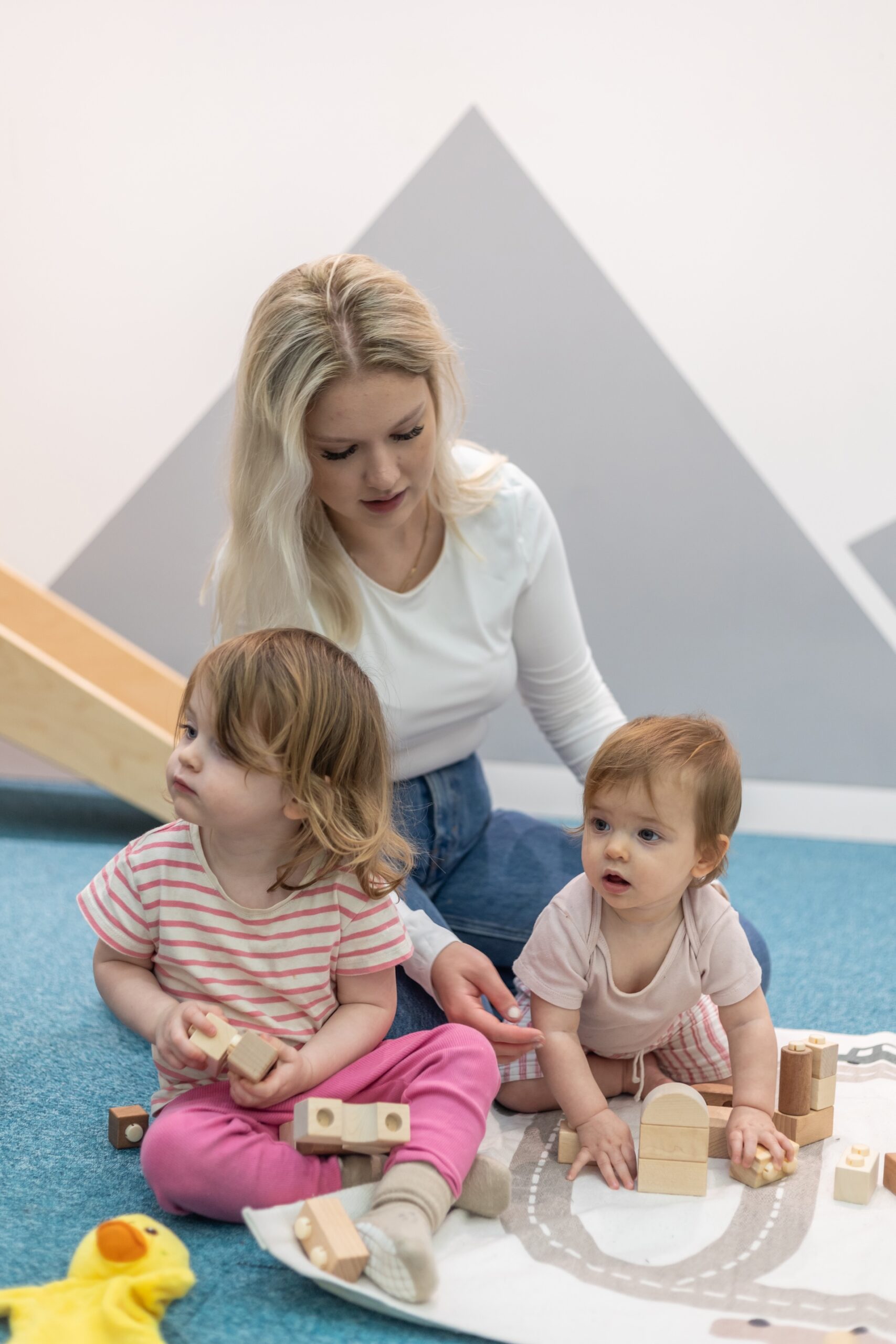
- Use play based and inquiry led learning approaches
- Offer multilingual exposure, typically including English and Arabic
- Focus on the holistic development of the child, not academic pressure
- Follow early childhood frameworks approved by KHDA or ADEK
This combination supports confident, capable children who are ready for future learning stages.
Key features of UAE international nurseries and preschools that foster global readiness
Diverse, multicultural learning environments
A defining feature of international early years settings in the UAE is cultural diversity. Children learn and play alongside peers from many backgrounds, helping them develop empathy, communication skills, and respect for differences from an early age.
Early years frameworks bridging local values and global best practice
To support understanding, here is a simplified comparison between local expectations and international early years approaches:
| Aspect | UAE Early Years Framework | International approach |
| Focus | Wellbeing, values, Arabic language exposure | Holistic development, creativity, independence |
| Languages | Arabic and English | English with multilingual exposure |
| Learning style | Structured guidance with play | Play-based and child-led learning |
International nurseries and preschools successfully align KHDA and ADEK requirements with globally respected early childhood principles.
Language development and early learning pathways
English is often the main language of instruction in international nurseries and preschools, while Arabic is introduced through songs, stories, and everyday interactions. This balanced exposure supports language development without overwhelming young children.
Rather than formal qualifications, the focus is on building skills such as communication, confidence, and problem solving that support a smooth transition into primary education.
Early years education is about more than learning letters and numbers. High quality nurseries and preschools prioritise social emotional learning through group play, routines, and guided interactions.
Children learn cooperation, self regulation, and resilience, which are essential life skills in any cultural context.
Curriculum design: Preparing children for tomorrow’s world
Understanding global education in early years
Global education in early childhood focuses on nurturing adaptable, curious learners. Through play, storytelling, and exploration, children begin to understand the world around them and their place within it.
This approach aligns closely with FinlandWay’s philosophy of joyful, play-based learning.
Integrating local contexts with international outlook
International nurseries and preschools in the UAE embed local culture and values into daily practice. Celebrations, Arabic language activities, and community events help children feel connected to their environment while benefiting from an international outlook.
These practices are guided by KHDA and ADEK frameworks to ensure cultural relevance and quality assurance.
Learn more about how play-based learning supports these goals in this FinlandWay article.
Observations, assessment, and personalised support
Assessment in early years settings is observational and child-centred. Educators track each child’s development and adapt activities to individual needs rather than relying on tests or formal exams.
This personalised approach supports every child’s unique learning journey and reflects best practices promoted by international early years research.
Schools often adopt personalised learning pathways to cater to every child’s pace — a feature central to the FinlandWay approach, described in this blog post.
Real-life outcomes: confident children ready for the next stage
Building strong foundations for future learning
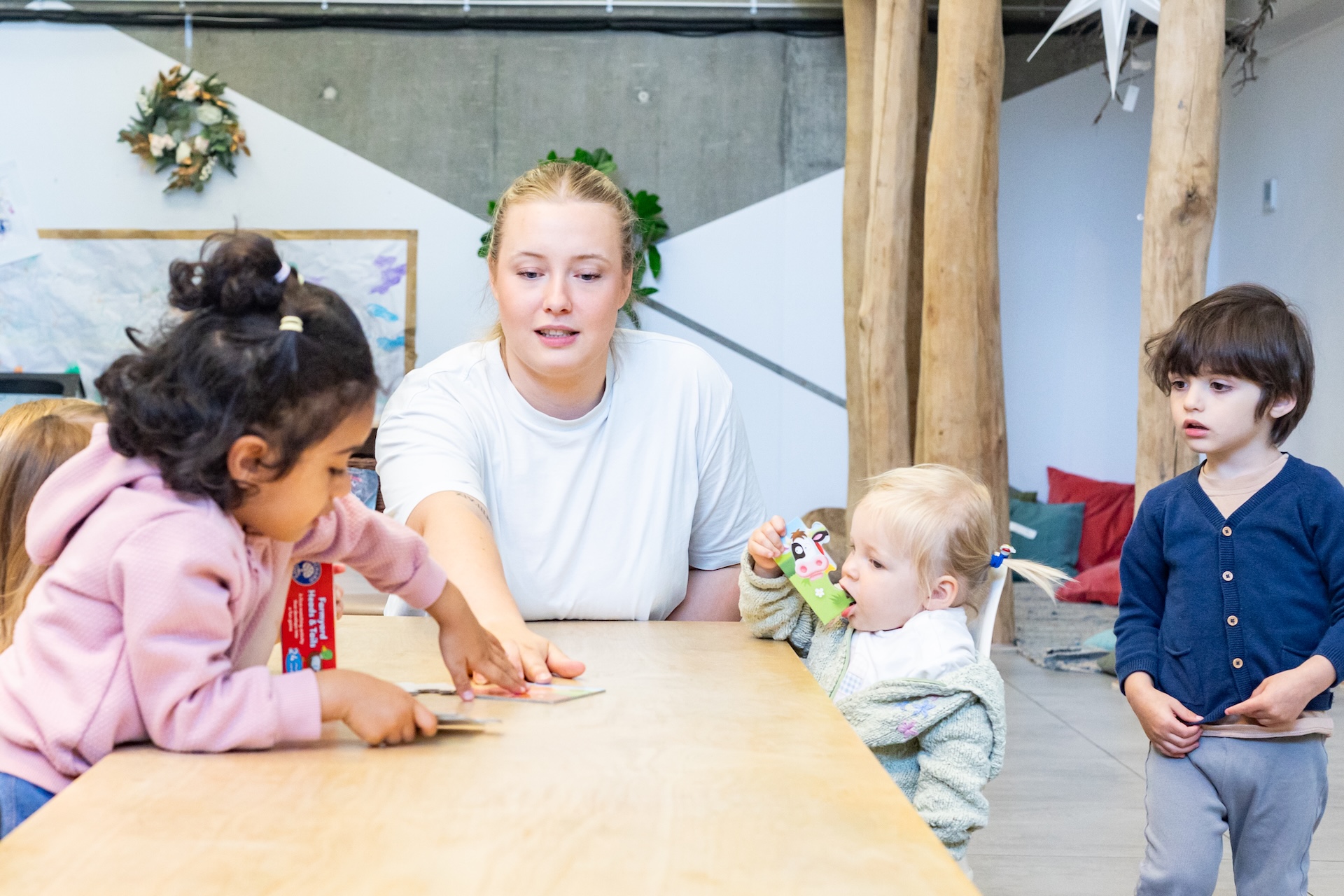
Children who attend high-quality international nurseries and preschools typically transition into primary school with confidence, independence, and a love of learning.
They are comfortable in diverse environments and familiar with collaborative learning, which benefits them throughout their education.
Skills valued by future schools and families
Early years programmes foster skills that matter long term, including:
- Communication and language development
- Social awareness and empathy
- Creativity and problem-solving
- Emotional wellbeing and self-confidence
These attributes are increasingly valued by schools and education authorities worldwide.
Choosing the right international preschool in the UAE: A parent’s checklist
When choosing the right school, parents should consider:
- Licensing and regulation by KHDA or ADEK
- Educational approach and learning philosophy
- Teacher qualifications and child-to-adult ratios
- Language exposure and cultural balance
- Learning environment, safety, and wellbeing focus
- Alignment with family values and long-term education plans
To explore innovative early years models, visit FinlandWay’s overview of its early learning framework.
Challenges and future of international early years education in the UAE
Balancing global approaches with local identity
Nurseries and preschools must balance international philosophies with Emirati culture and values. Clear guidance from KHDA and ADEK helps settings maintain this balance effectively.
Accessibility and affordability
International early years education can be costly. However, new models are emerging that aim to make high quality, play based learning more accessible to families across the UAE.
Maintaining quality as the sector grows
As demand increases, ongoing educator training and strong regulation remain essential. Continued oversight by KHDA and ADEK will play a key role in sustaining quality across the sector.
Frequently Asked Questions (FAQ)
Q1: What defines an international nursery or preschool in the UAE?
An international nursery or preschool follows globally inspired early years practices while meeting local regulatory standards set by KHDA or ADEK.
Q2: Are international nurseries and preschools regulated?
Yes. All licensed early years settings must comply with KHDA or ADEK requirements, ensuring quality, safety, and cultural alignment.
Q3: How do I know if a school suits my child?
Visiting the nursery or preschool, meeting educators, and understanding the learning philosophy are key steps in making an informed choice.
Conclusion
International nurseries and preschools in the UAE play a vital role in shaping confident, capable young learners. By combining play based learning, multicultural environments, and strong oversight from KHDA and ADEK, they prepare children for success in school and in life.
For families seeking an early years experience that balances global best practice with local values, international nurseries and preschools offer a strong foundation for the future.