
Introduction: why starting a preschool franchise in India makes sense today
Starting a preschool is no longer just an educational initiative—it has become one of the most promising franchise opportunities in India. With increasing awareness of early childhood development, parents are actively searching for high-quality preschools that go beyond basic care and focus on holistic learning.
This growing demand makes a preschool franchise a smart and sustainable business choice. Unlike starting from scratch, a franchise model offers a proven framework, structured curriculum, and ongoing support. With the right guidance and planning, opening a preschool franchise in India can be both impactful and profitable.
Professional education partners such as FinlandWay Schools help investors navigate this journey by providing curriculum expertise, teacher training, and operational support tailored to local needs.
Understanding the preschool franchise model
What is a preschool franchise?
A preschool franchise is a business model where an individual or organisation operates a preschool under an established brand name. The franchisor provides the curriculum, training, brand identity, and operational systems, while the franchise owner manages day-to-day operations.
Compared to an independent preschool, a preschool franchise offers:
- A tested educational model
- Brand credibility and parent trust
- Structured operational guidance
- Quality maintenance and support
This significantly reduces risk for new investors.
Why preschool franchises are growing faster than other franchise opportunities
Among all franchise opportunities in India, preschool education stands out due to consistent demand and social relevance. Education is a long-term necessity, and early learning is now a top priority for families.
According to The Economic Times, India’s education sector continues to attract strong investment, particularly in early childhood education.
https://economictimes.indiatimes.com/industry/services/education
Step 1: research the preschool franchise market in India
Identifying demand in your target city
The first step in starting a preschool franchise is understanding where demand exists. While metro cities offer high visibility, tier-2 and tier-3 cities are emerging as strong growth markets due to lower competition and operational costs.
Key factors to analyse include:
- Residential density
- Number of working parents
- Social-economical profile
- Existing preschools in the area
Analysing parents’ expectations
Modern parents expect more than childcare. In addition to academic learning, they want preschools that support emotional development, creativity, and independence.
FinlandWay discusses these evolving expectations in its article on early childhood education trends, highlighting why play-based and child-centred approaches matter today.
https://finlandwayschools.com/blog/
Step 2: choose the right preschool franchise opportunity
Evaluating curriculum and teaching philosophy
Curriculum quality is one of the most important decision factors. Parents increasingly prefer preschool franchises that focus on play-based learning, where children learn through exploration rather than memorisation.
FinlandWay explains the benefits of play-based early childhood education and how it supports cognitive, social, and emotional development.
https://finlandwayschools.com/blog/play-based-learning-early-childhood-education/
When choosing a preschool franchise, ensure the curriculum aligns with modern educational values and global best practices.
Comparing franchise opportunities
Not all preschool franchise opportunities are the same. Before making a decision, compare:
- Initial investment and royalty fees
- Training and operational support
- Quality of the curriculum
- Brand reputation and parent trust
Step 3: understand the investment and financial planning
Typical costs involved in starting a preschool franchise
Starting a preschool franchise is a long-term investment in both education and community impact. While exact figures depend on the city, size, and brand, it is important to understand the full scope of costs before committing.
Common investment components include:
- Franchise or affiliation fees covering curriculum access, branding, and support
- Infrastructure setup, including interiors designed for early learners
- Licensing, safety approvals, and compliance costs
- Learning materials, play equipment, and classroom resources
- Recruitment and onboarding of teachers and support staff
Expected return on investment
Preschool franchises typically generate stable and predictable revenue once enrolments are established. Returns are strongest in residential areas where parents value consistency, safety, and educational quality.
Instead of focusing on rapid profits, FinlandWay promotes sustainable growth, where trust, reputation, and long-term parent relationships drive enrolment and retention.
Step 4: legal and regulatory requirements in India
Licences and registrations required
Running a preschool means taking responsibility for children’s safety, care, and development. Compliance is an ethical obligation, not just a requirement from authorities.
Depending on state and local regulations, requirements may include:
- Business registration
- Fire and safety approvals
- Local municipal permissions
- Child safety and hygiene standards
Working with an experienced education partner helps ensure that all regulatory aspects are addressed systematically, avoiding delays or future complications.
Infrastructure and safety standards
A preschool must provide a secure and nurturing environment where children feel safe to explore and learn. Essential standards include:
- Adequate classroom space per child
- Safe, age-appropriate furniture and materials
- Secure entry and exit points
- Emergency preparedness and hygiene protocols
Step 5: selecting the right location and infrastructure
Choosing a preschool-friendly location
Location plays a crucial role in enrolment success. Parents prefer schools that are convenient, safe, and close to home.
An ideal location is:
- Situated within or near residential communities
- Easily accessible with safe drop-off and pick-up arrangements
- Visible, welcoming, and reassuring for parents
- Away from heavy traffic and environmental hazards
Tier-2 and tier-3 cities often offer excellent opportunities, combining strong demand with lower operational costs.
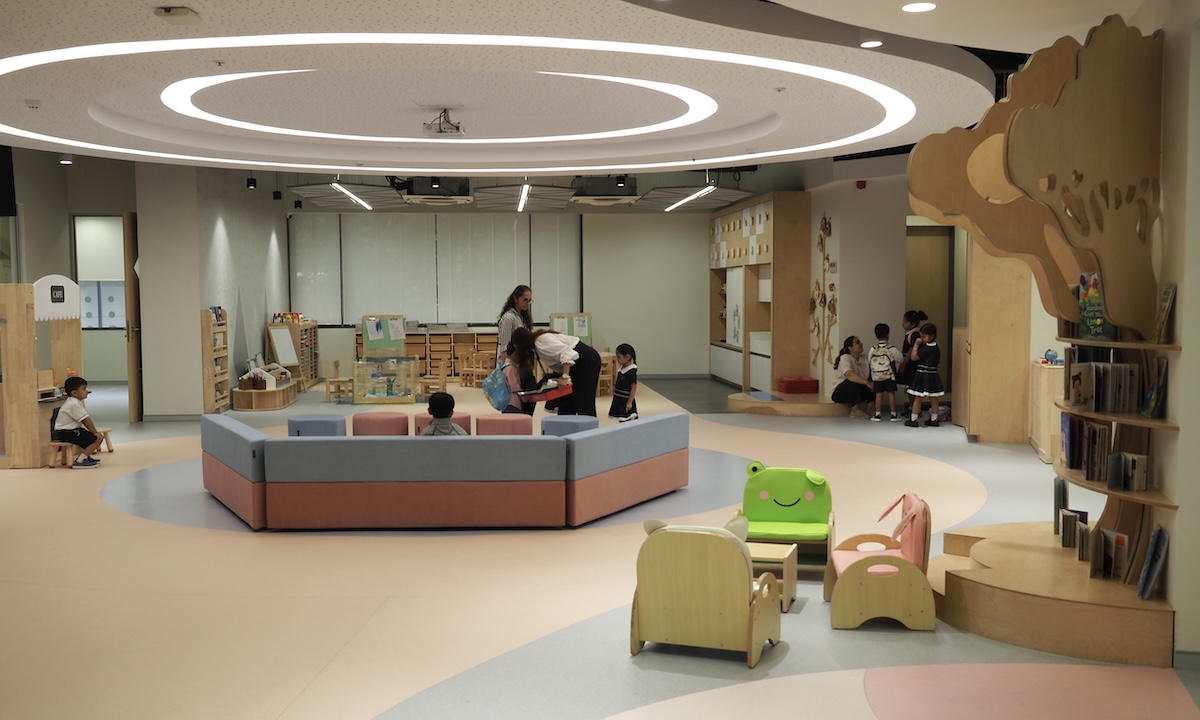
Designing child-friendly learning spaces
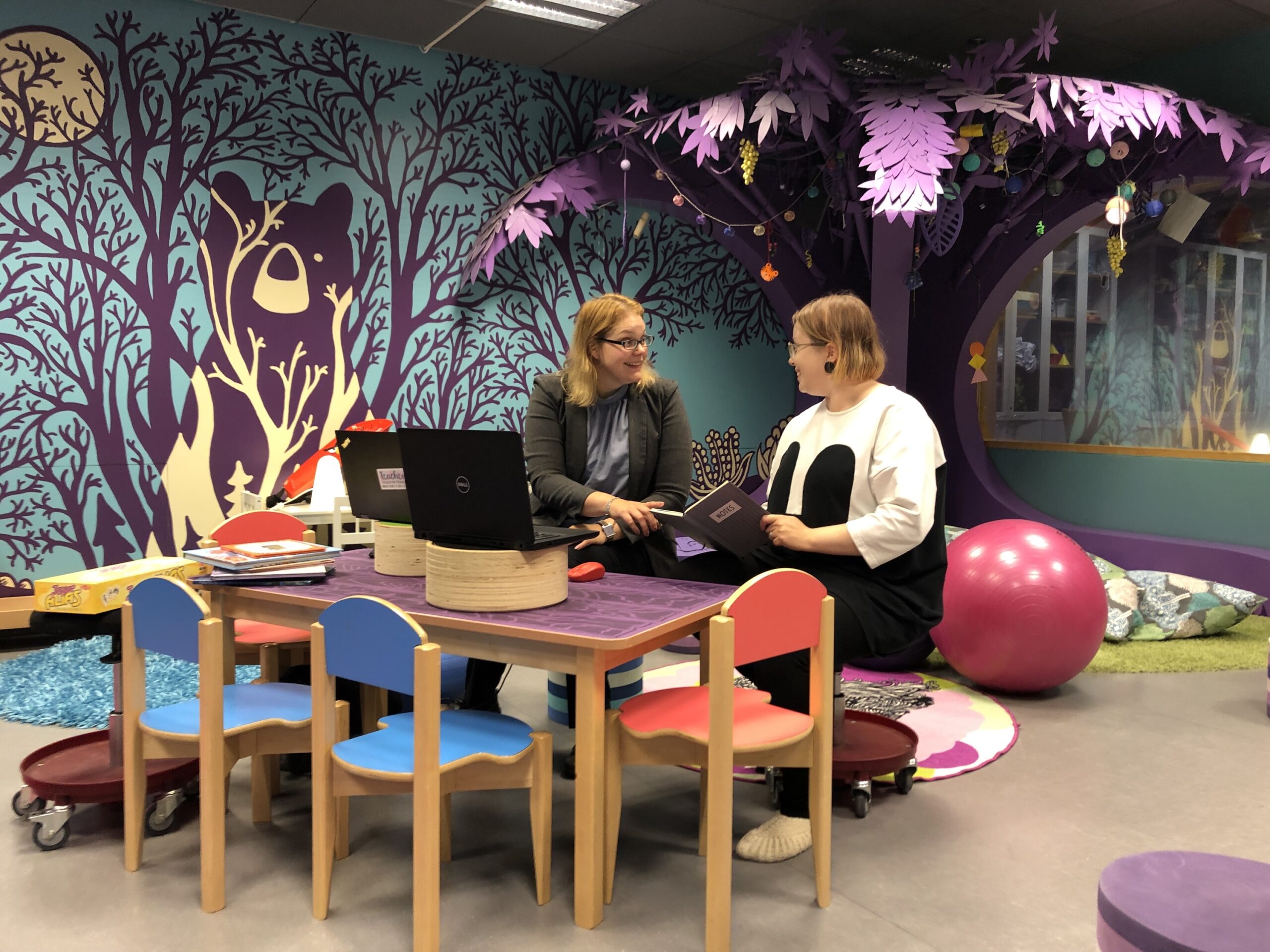
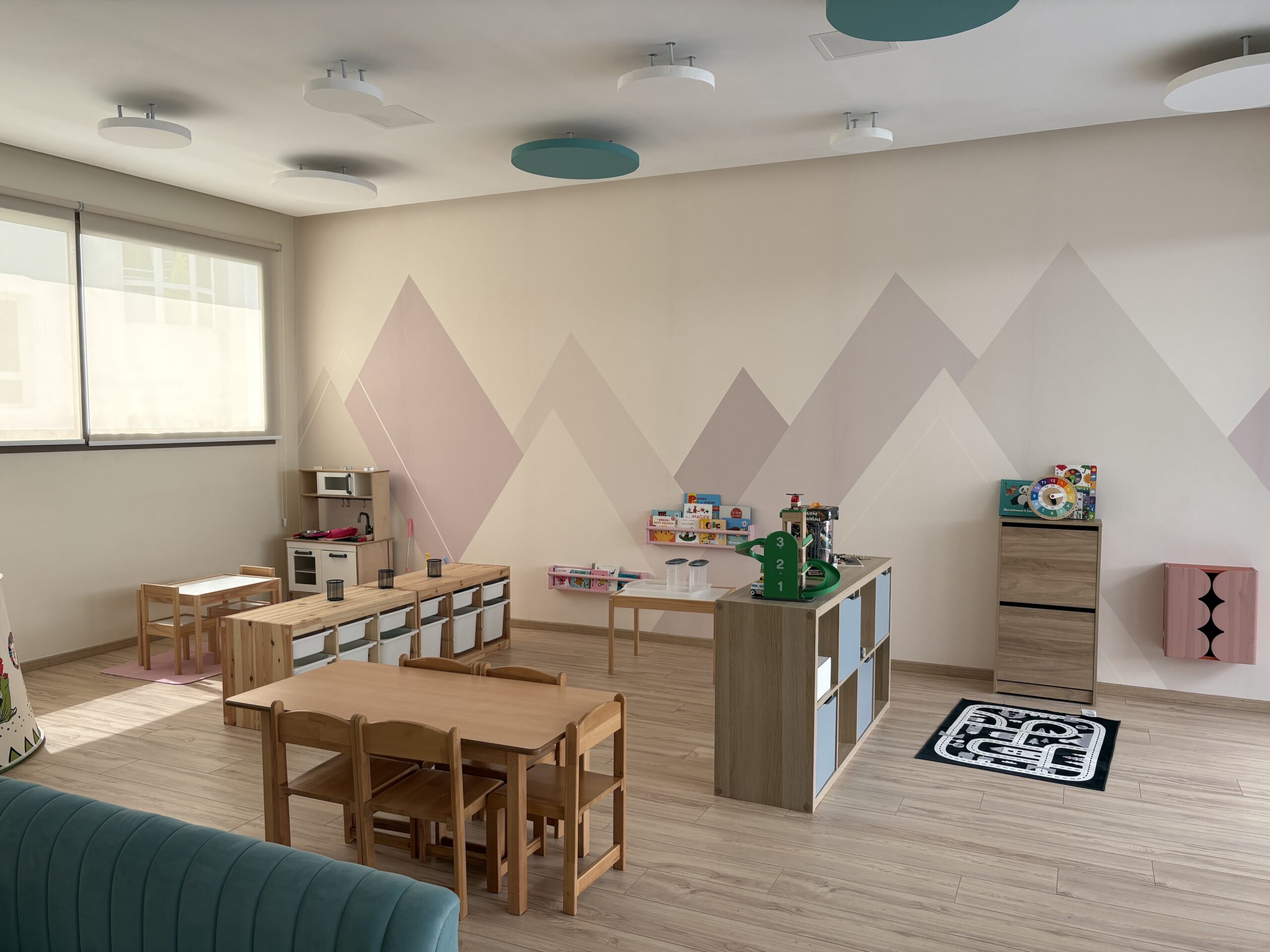
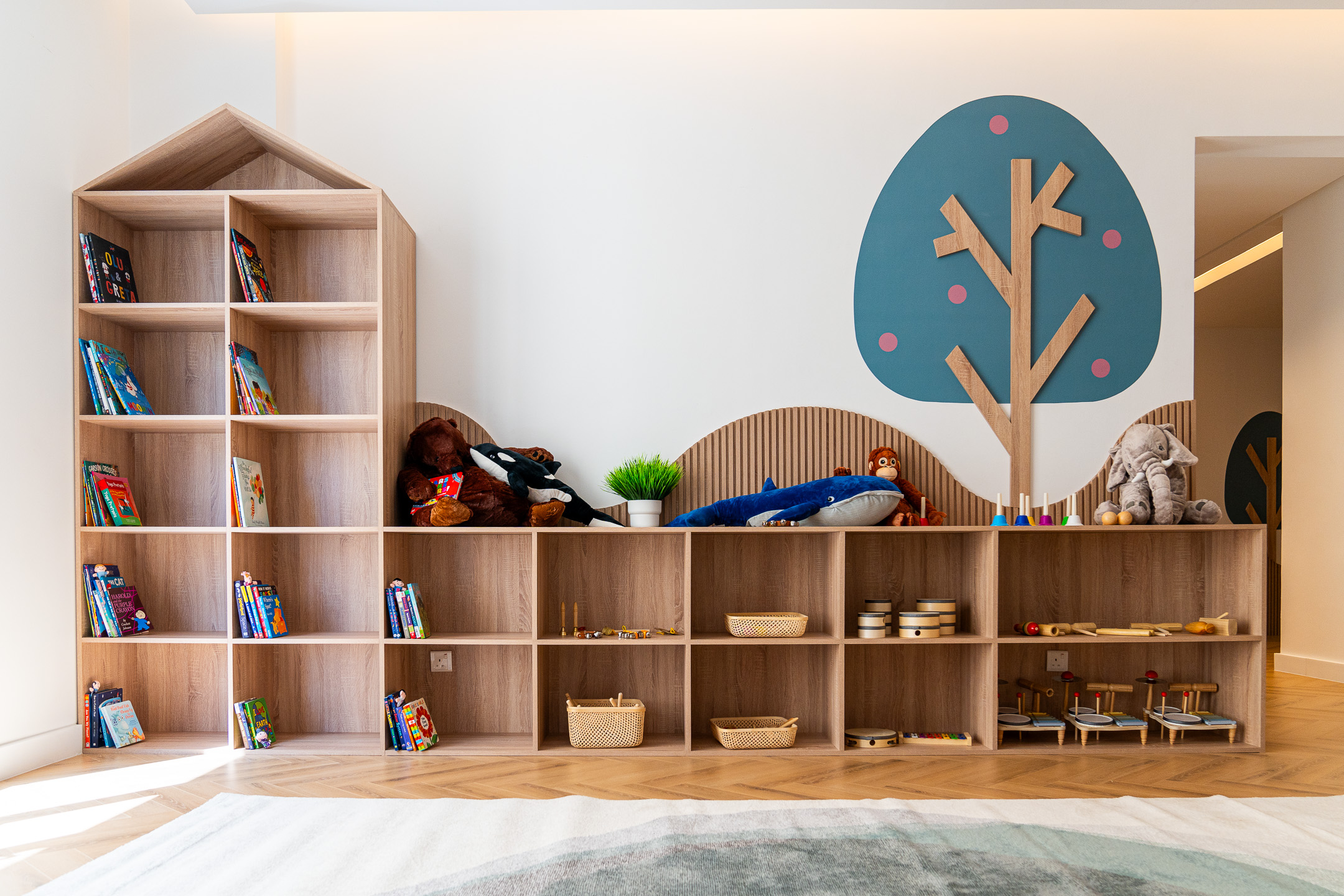
Preschool design directly impacts how children learn, play, and interact. Learning spaces should invite curiosity, movement, and creativity rather than resemble formal classrooms.
Preschool interiors should support exploration and comfort, with:
- Activity-based learning zones
- Open, well-lit classrooms with natural colours
- Flexible spaces for play, storytelling, and group work
- Outdoor areas that support physical development
Step 6: hiring and continuously developing teachers
Importance of teacher quality in preschool franchises
Teachers are the foundation of any preschool franchise. Parents may choose a brand initially, but they stay because of the educators.
A strong preschool team includes:
- Trained early childhood educators
- Support staff who understand childcare and safety
- Well-organised management who value quality
Training and continuous professional development
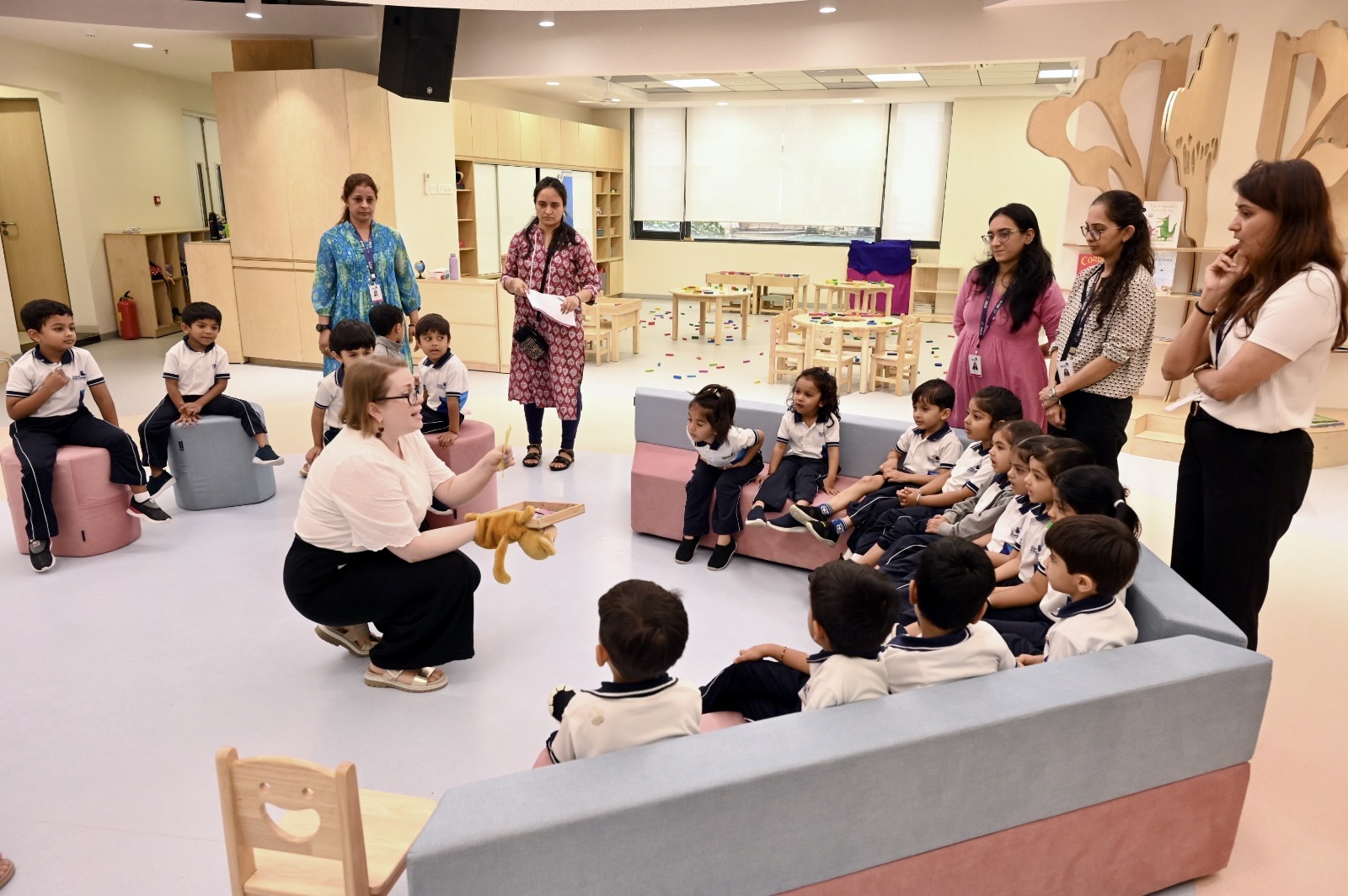
High-quality preschool franchises invest in ongoing teacher development, not just initial training. Continuous learning ensures consistency, motivation, and alignment with the educational philosophy.
FinlandWay supports teachers through:
- Structured training programmes
- Pedagogical mentoring
- Practical classroom guidance aligned with international standards
This approach helps franchise owners maintain quality while building a committed and confident teaching team.
Step 7: marketing your preschool franchise successfully
Pre-launch marketing strategies
Effective marketing for a preschool franchise is not about aggressive promotion. To create trust, the franchise owner should focus on credibility and community presence.
Successful pre-launch strategies include:
- Local digital marketing and Google visibility
- Social media storytelling focused on learning and values
- Community engagement with parents and presence
Building trust with parents
Trust is the most important factor in preschool enrolments. Parents want to feel confident about who is caring for their child.
Ways to build trust include:
- Open house and orientation events
- Transparent communication about curriculum and routines
- Trial classes and parent interactions
- Meeting the key staff
Step 8: scaling your preschool franchise
Once operations stabilise, franchise owners can scale by:
- Adding daycare services
- Expanding to new locations
How FinlandWay supports preschool franchise owners
Once daily operations are stable and enrolments are consistent, franchise owners may consider expansion. However, growth should never come at the cost of educational quality.
Responsible scaling options include:
- Introducing daycare or extended care services
- Adding additional sections or age groups
- Expanding to new locations with the same standards
FinlandWay advocates quality-first expansion, ensuring that curriculum integrity, teacher support, and child-centred practices remain intact at every stage of growth.
Common mistakes to avoid when starting a preschool franchise
- Choosing a brand without evaluating curriculum quality
- Underestimating operational and staffing costs
- Ignoring continuous teacher training
Frequently asked questions about starting a preschool franchise in India
How much investment is needed to start a preschool franchise?
Investment varies by city and brand but typically ranges from moderate to premium levels.
Is a preschool franchise profitable in India?
Yes, especially in residential areas with working parents and quality education demand.
Which city is best to start a preschool franchise?
Tier-2 and tier-3 cities are increasingly attractive due to lower competition.
Do I need an education background to run a preschool franchise?
No, most franchises provide academic and operational support.
How long does it take to break even?
Most preschool franchises break even within 18–30 months.
Conclusion: starting your preschool franchise with confidence
Starting a preschool franchise in India is both a meaningful and financially sound decision. By following a clear step-by-step process—market research, choosing the right franchise, planning finances, and investing in quality teaching—you can build a successful preschool business.
With professional partners like FinlandWay Schools, aspiring franchise owners gain the expertise and support needed to launch confidently and grow sustainably.