
why preschool franchise opportunities are booming in India
Early childhood education in India has entered a new era. Parents and policymakers today understand that learning does not begin at primary school, it starts much earlier. The years between ages two and five are now widely recognised as crucial for cognitive, emotional, and social development.
This shift in understanding has made preschool education one of the fastest-growing and most resilient segments within the education sector. As India moves toward modern, child-centric education reforms and parents actively seek stress-free, holistic learning environments, preschool franchises are emerging as one of the most attractive franchise opportunities for 2026.
As a result, investing in a preschool franchise has become one of the most reliable franchise opportunities for 2026. With increasing urbanisation, more working parents, and exposure to international education standards, demand for high-quality preschool education continues to rise across India.
The growing demand for preschool education in India
Rising awareness of early childhood education
Indian parents today are far more informed and intentional about early education choices. Exposure to global education standards, research on brain development, and shared parenting communities have shifted expectations away from rote academics.
Parents increasingly look for preschools that:
- Encourage learning through play rather than pressure
- Support emotional regulation and social skills
- Nurture confidence, curiosity, and independence
- Reduce early academic stress
This bottom-up demand is driving the success of preschool franchises that prioritise holistic child development over early formal instruction.
Market growth driven by policy and lifestyle changes
India’s preschool education market is expected to continue its steady growth through 2026, supported by:
- Rising urbanisation and nuclear families
- Increasing number of working parents
- Higher disposable incomes
- Greater focus on quality early education
In addition, early childhood education is gaining increasing attention at the policy level, making preschool education a structurally supported sector rather than a short-term trend.
According to Forbes India and The Economic Times, the Indian preschool education market is expected to continue growing steadily through 2026, driven by rising disposable incomes and lifestyle changes.
🔗 External references:
- https://www.unicef.org/india/about-us?utm_source=chatgpt.com
- https://economictimes.indiatimes.com/industry/services/education
Government alignment with play-based and holistic learning
India’s education reforms are now clearly aligned with play-based and developmentally appropriate learning approaches. The National Education Policy (NEP 2020) places strong emphasis on:
- Foundational literacy and numeracy
- Play-based, activity-oriented learning
- Reduced academic pressure in early years
- Focus on socio-emotional development and wellbeing
This alignment creates a favourable regulatory and cultural environment for preschool franchises that already follow child-centred and play-based philosophies. Franchises inspired by international early childhood models are particularly well positioned, as they naturally align with these policy directions.
This top-down support from government policy, combined with growing parental demand, makes preschool education a uniquely strong opportunity for the coming years.
What makes a preschool franchise a smart investment in 2026
Low risk compared to starting independently
Launching an independent preschool requires building trust, curriculum design, and operational systems from the ground up. A preschool franchise significantly reduces this risk by offering a proven framework.
Franchise benefits often include:
- A ready-to-implement curriculum
- Teacher training systems
- Operational processes
- Brand credibility with parents
- Community and tested best practices
This makes preschool franchise opportunities particularly attractive to first-time investors.
Scalable and repeatable business model
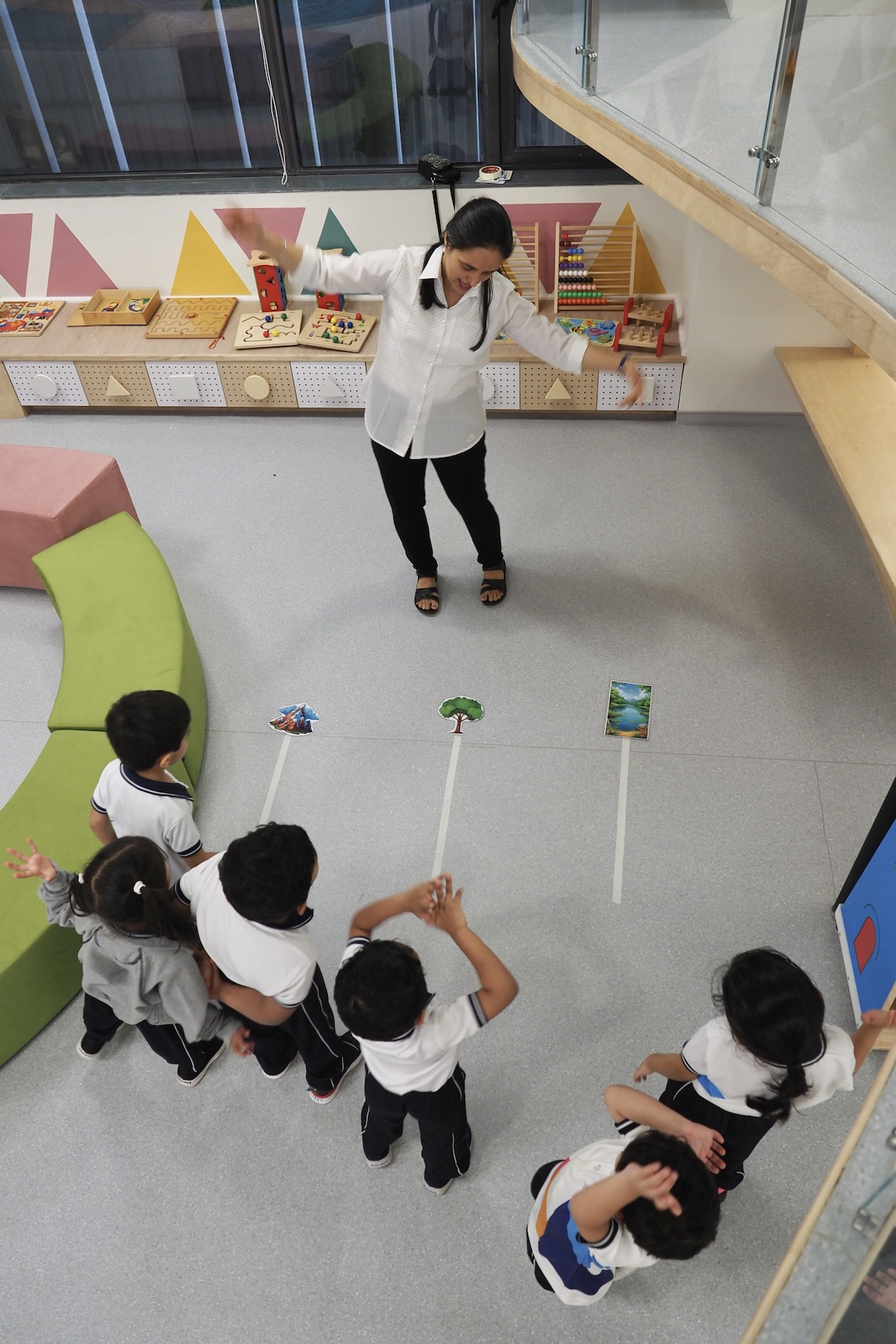
Successful preschool franchises are designed to grow with the school owners without compromising the quality. Whether operating one centre or expanding to multiple locations, systems remain consistent and and allow the school owner to:
- Maintain consistency across classrooms
- Expand to multiple centres over time
- Deliver predictable learning experiences
Key factors to consider before choosing a preschool franchise
Curriculum and teaching philosophy
Curriculum quality is one of the strongest decision drivers for parents. Today’s most successful preschool franchises focus on play-based and child-centred learning rather than rote memorisation.
Many of these models follow principles of play-based learning, where children explore concepts naturally through guided activities. FinlandWay explains this approach in detail in its article on play-based early childhood education, highlighting how it strengthens cognitive, social, and emotional development.
https://finlandwayschools.com/playful-preschool-programmes-are-they-really-good/
Choosing a preschool franchise with a strong educational philosophy ensures long-term parent trust.
Location strategy: a critical success factor
Location plays a decisive role in the success of any preschool franchise. Even the strongest curriculum struggles without the right environment.
High-performing locations typically:
- Sit within or near residential communities
- Offer safe, convenient access for families
- Have a high concentration of working parents
- Face limited competition from quality preschools
Tier-2 and tier-3 cities are increasingly attractive, combining strong demand with lower saturation and higher long-term growth potential.
Training, support, and quality assurance
Not all preschool franchises provide the same level of support. Long-term success depends heavily on how actively the franchisor partners with franchise owners.
Strong franchisor support includes:
- Local and national marketing guidance
- Admissions and parent communication support
- Operational systems and documentation
- Continuous teacher training and mentoring
Continuous teacher development is particularly critical in early childhood education, where educator quality directly shapes learning outcomes.
Top preschool franchise opportunities in India for 2026
International-inspired preschool franchise models
International education philosophies have strongly influenced the Indian preschool sector. Parents increasingly prefer preschool franchises that follow globally recognised approaches focusing on creativity, independence, and wellbeing.
These models often stand out due to:
- Research-backed pedagogy
- Strong teacher development
- Holistic learning frameworks
Indian preschool franchise brands with strong local presence
Indian preschool franchises that adapt global practices to local cultural contexts continue to thrive, particularly in tier-2 and tier-3 cities.
They typically offer:
- Affordable fee structures
- Curriculum aligned with Indian schooling
- Strong community engagement
Emerging preschool franchise concepts to watch
By 2026, innovation will play a major role in shaping preschool franchise opportunities. New models increasingly integrate:
- Technology-assisted learning
- Parent communication platforms
- Flexible learning schedules
Finland-inspired learning trends in India
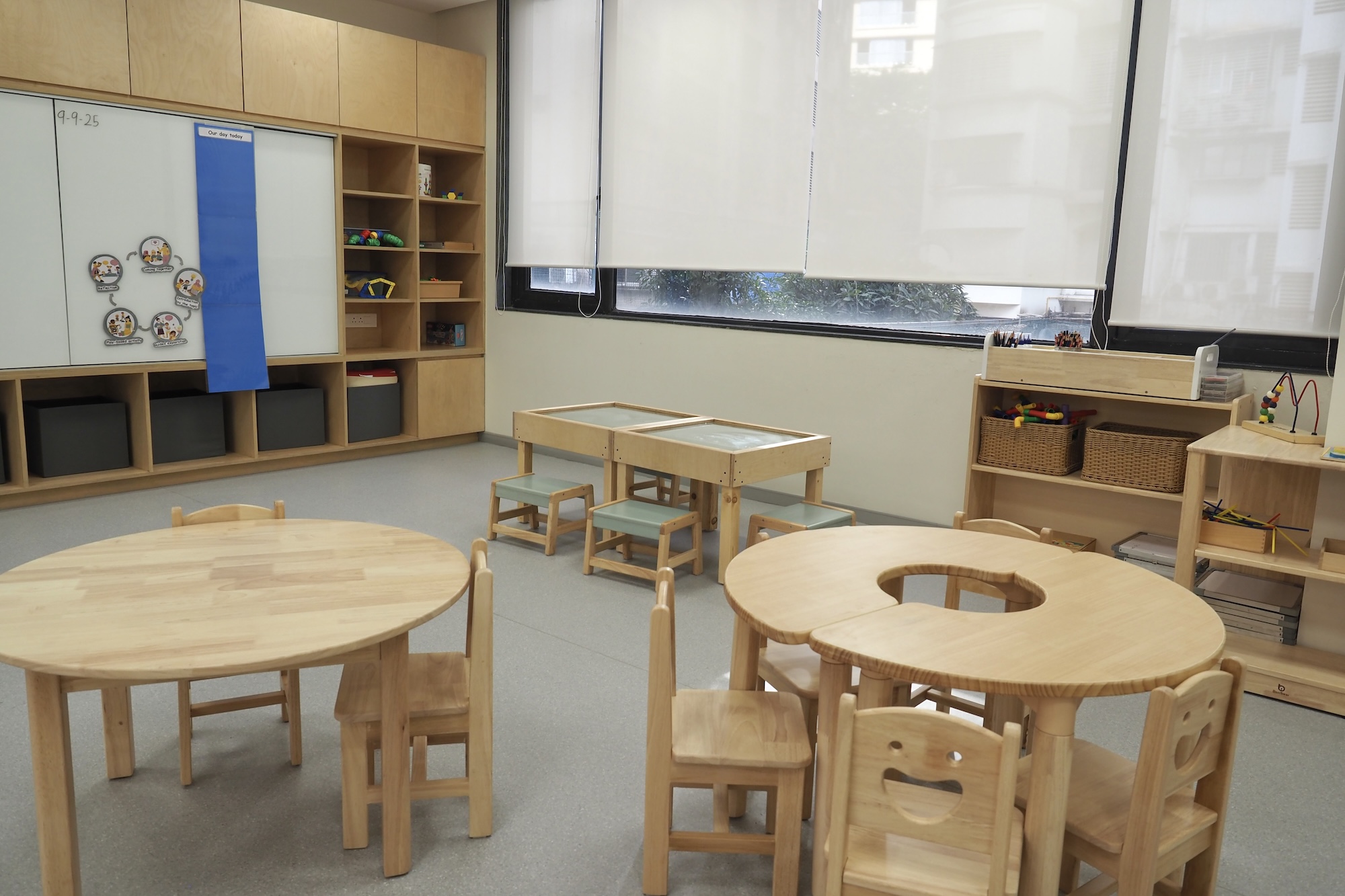
Among international models, Finland-inspired early education has gained significant attention. Its focus on:
- Joyful, play-based learning
- Child-centered, holistic development
- Teacher professionalism
- Emotional wellbeing and stress free environment
This resonates strongly with both parents and policymakers. The National Education Policy (NEP 2020) reinforces this shift by promoting play-based and activity-oriented learning in the foundational years, creating a favourable top-down environment for preschool franchises that prioritise wellbeing, creativity, and social-emotional development. At the same time, Indian parents increasingly seek stress-free learning environments that nurture confidence, curiosity, and life skills rather than early academic performance.
As a result, Finland-inspired preschool franchise models are well positioned to meet both regulatory direction and growing parent expectations, making them a compelling opportunity within India’s early education franchise landscape.
Frequently asked questions about preschool franchise opportunities in India
Is a preschool franchise profitable in India?
Yes, especially with the right location and support system.
How much investment is needed to start a preschool franchise?
Costs vary, but franchises typically provide clear financial structures.
Do international preschool franchises work well in India?
Yes, particularly among families seeking global education standards.
What support do preschool franchises usually provide?
Training, curriculum, marketing, and operational guidance.
Conclusion: Choosing the right preschool franchise for long-term success
Preschool franchise opportunities in India are being shaped by powerful forces from both directions—government policy supporting play-based learning and parents demanding holistic, low-stress education.
For 2026 and beyond, success will depend on choosing a preschool franchise that offers:
- A strong, child-centred curriculum
- The right location strategy
- Active franchisor support in marketing, operations, and teacher training
- A long-term commitment to quality and wellbeing
A thoughtfully chosen preschool franchise is more than a business opportunity—it is a contribution to the future of children, families, and communities.