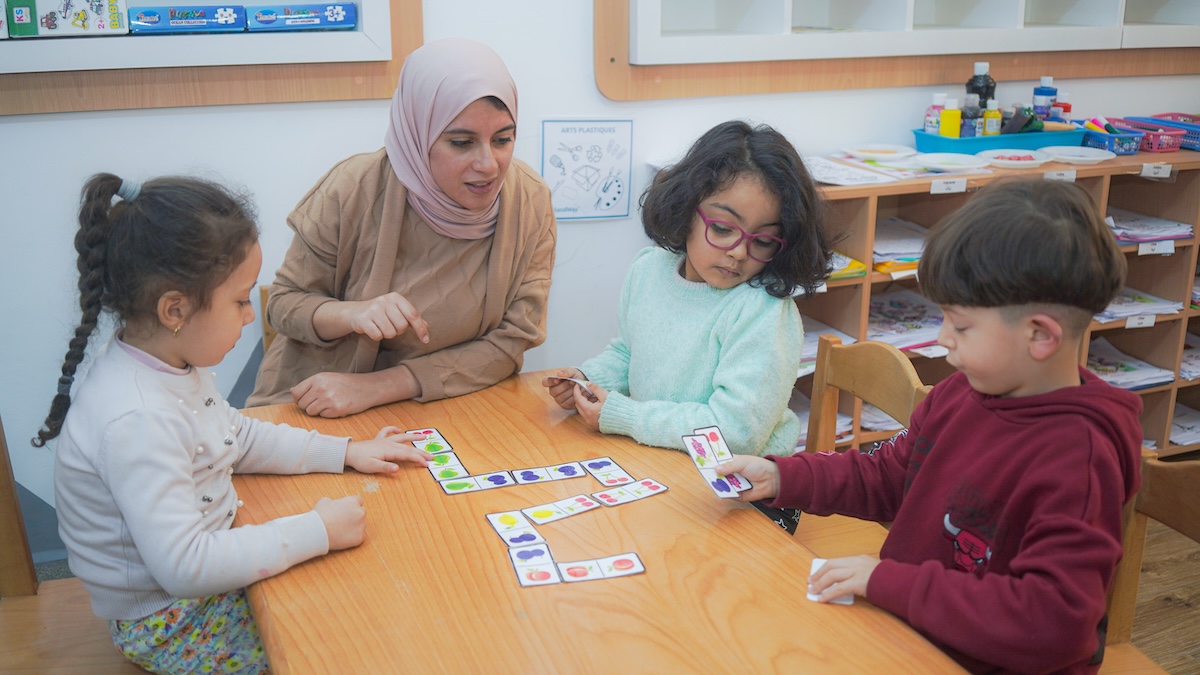

For many years, teacher lectures combined with maths worksheets and workbooks have been seen as the standard way to teach early maths. Pages filled with numbers, tracing exercises, and matching tasks often give the impression that children are “learning properly”. However, research and classroom experience increasingly show that young children learn maths far more effectively through real-life experiences.
Moving from maths worksheets to real-life mathematics does not mean removing structure or learning goals. It means teaching maths in a way that is meaningful, practical, and developmentally appropriate for young learners.
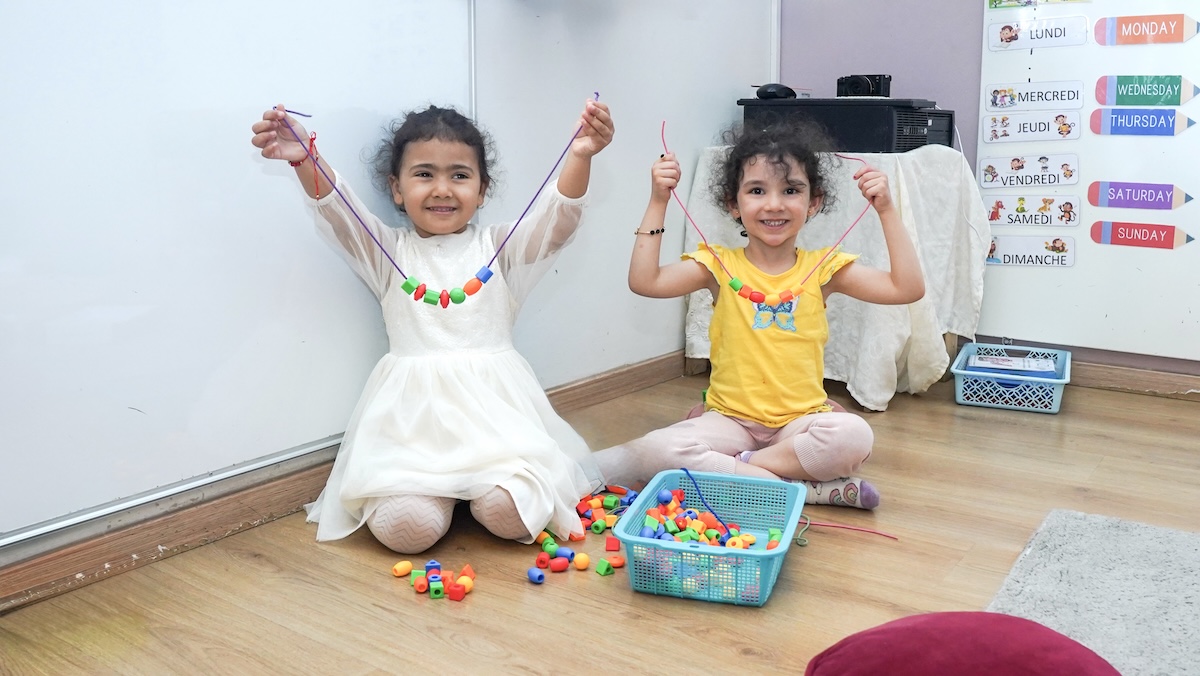
Why maths worksheets dominate early maths education?
Maths worksheets are popular because they are easy to distribute, quick to assess, and familiar to adults. They often look academic and give parents visible proof that learning is happening.
However, for young children, maths worksheets usually:
- focus on symbols rather than understanding
- require long periods of sitting still
- emphasise right and wrong answers
- offer little connection to real life
According to The Guardian, early learning is most effective when children are actively involved rather than passively completing paper tasks.
How young children understand mathematics
Mathematics starts with real experiences
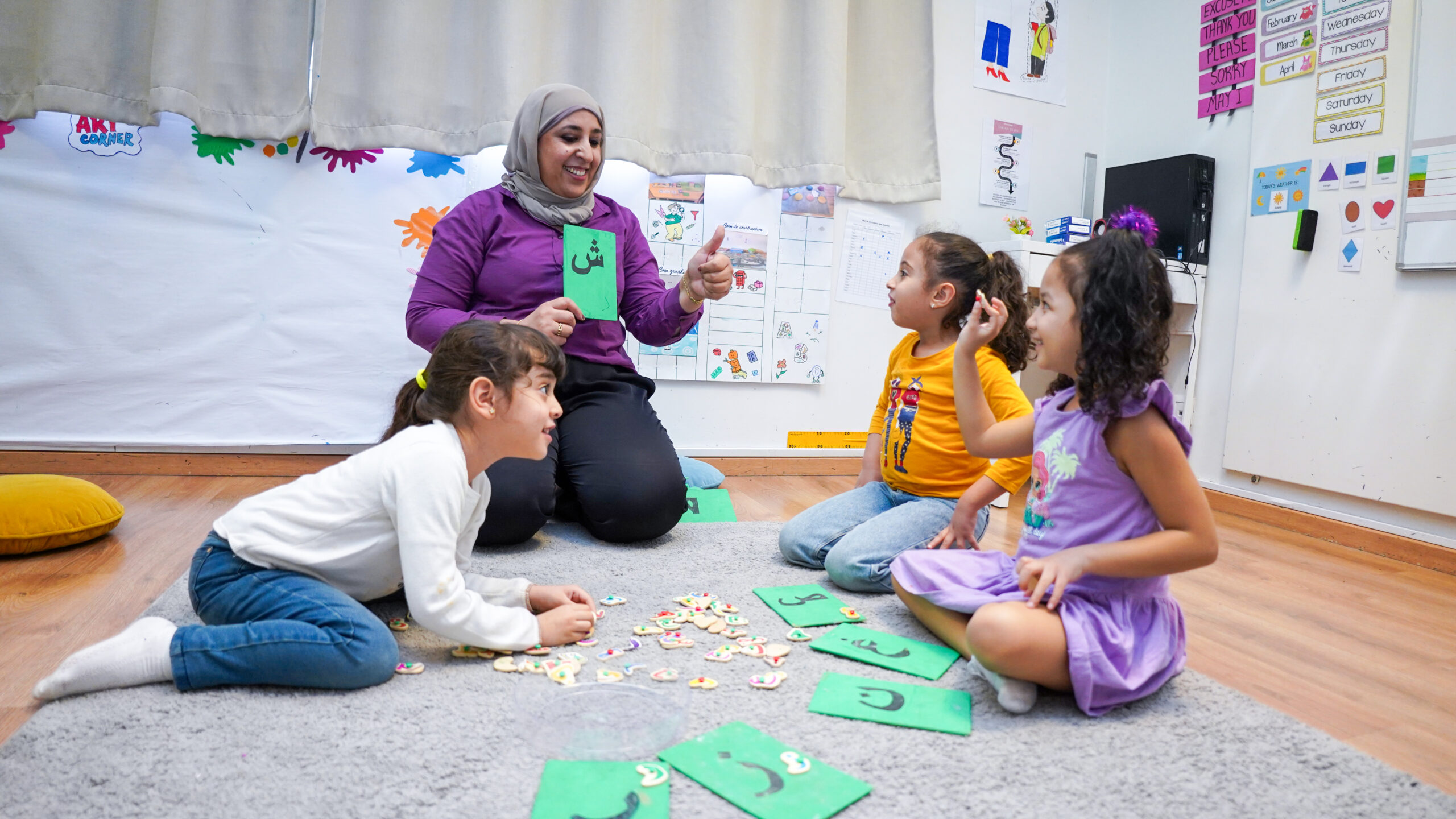
Children do not begin by understanding numbers on a page. They understand quantity, size, and patterns through everyday actions.
Real-life mathematics happens when children:
- share snacks equally
- count steps while walking
- compare which object is heavier or taller
- sort toys by shape or colour
These experiences help children build number sense, something maths worksheets alone cannot provide.
What research says about early learning
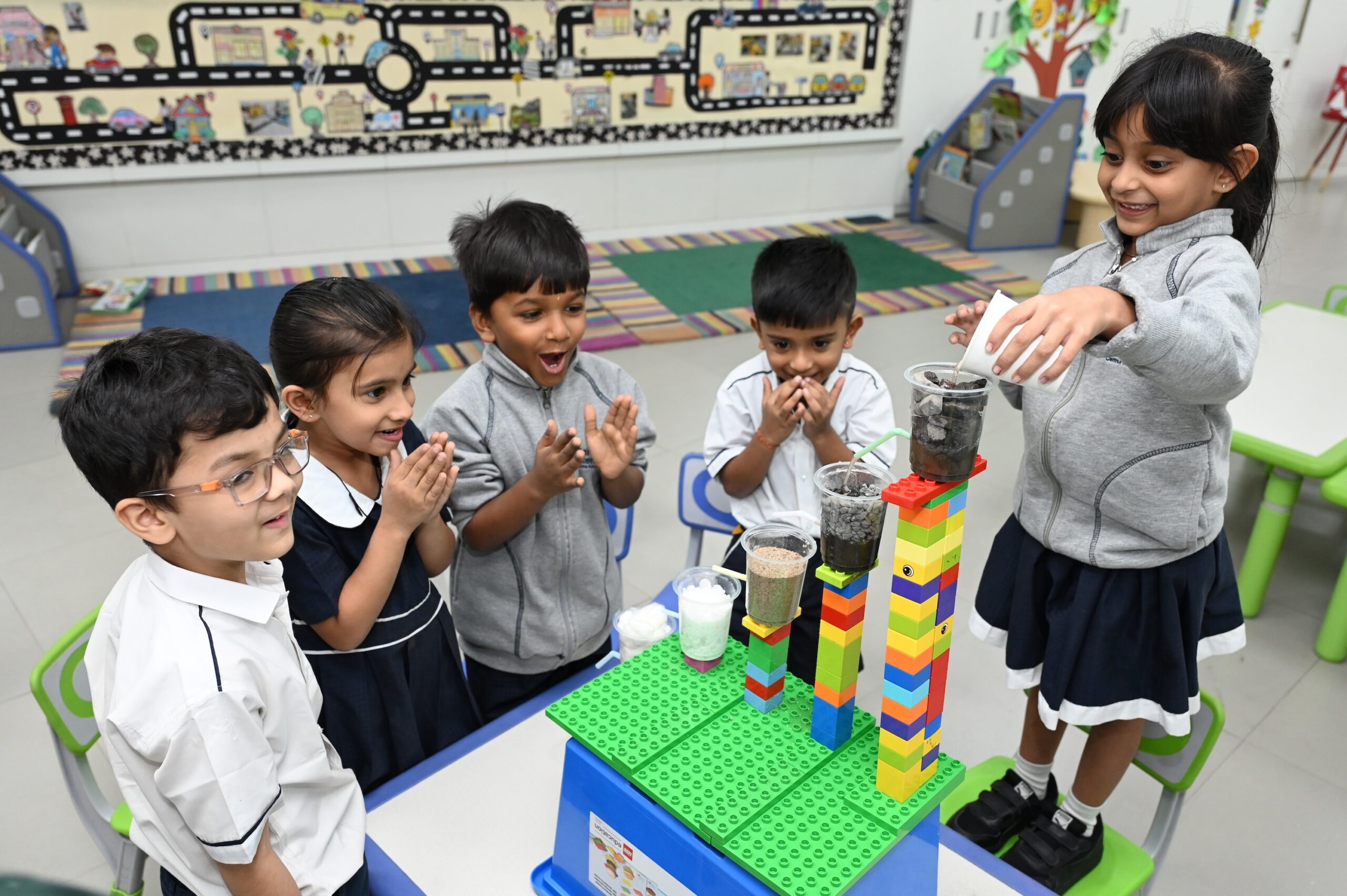
Research from Harvard’s Center on the Developing Child highlights that young children learn best through hands-on, meaningful experiences. Learning is most effective when children can explore, experiment, move, ask questions and interact with others, rather than passively receiving information.
Real-life mathematics vs maths worksheets
| Aspect | Maths worksheets | Real-life mathematics |
| Learning style | Abstract, paper-based | Hands-on and concrete |
| Child’s role | Passive | Active participant |
| Understanding | Memorisation | Conceptual understanding |
| Engagement | Often short-lived | Naturally motivating |
| Long-term impact | Limited | Strong foundations |
Where real-life mathematics appears every day
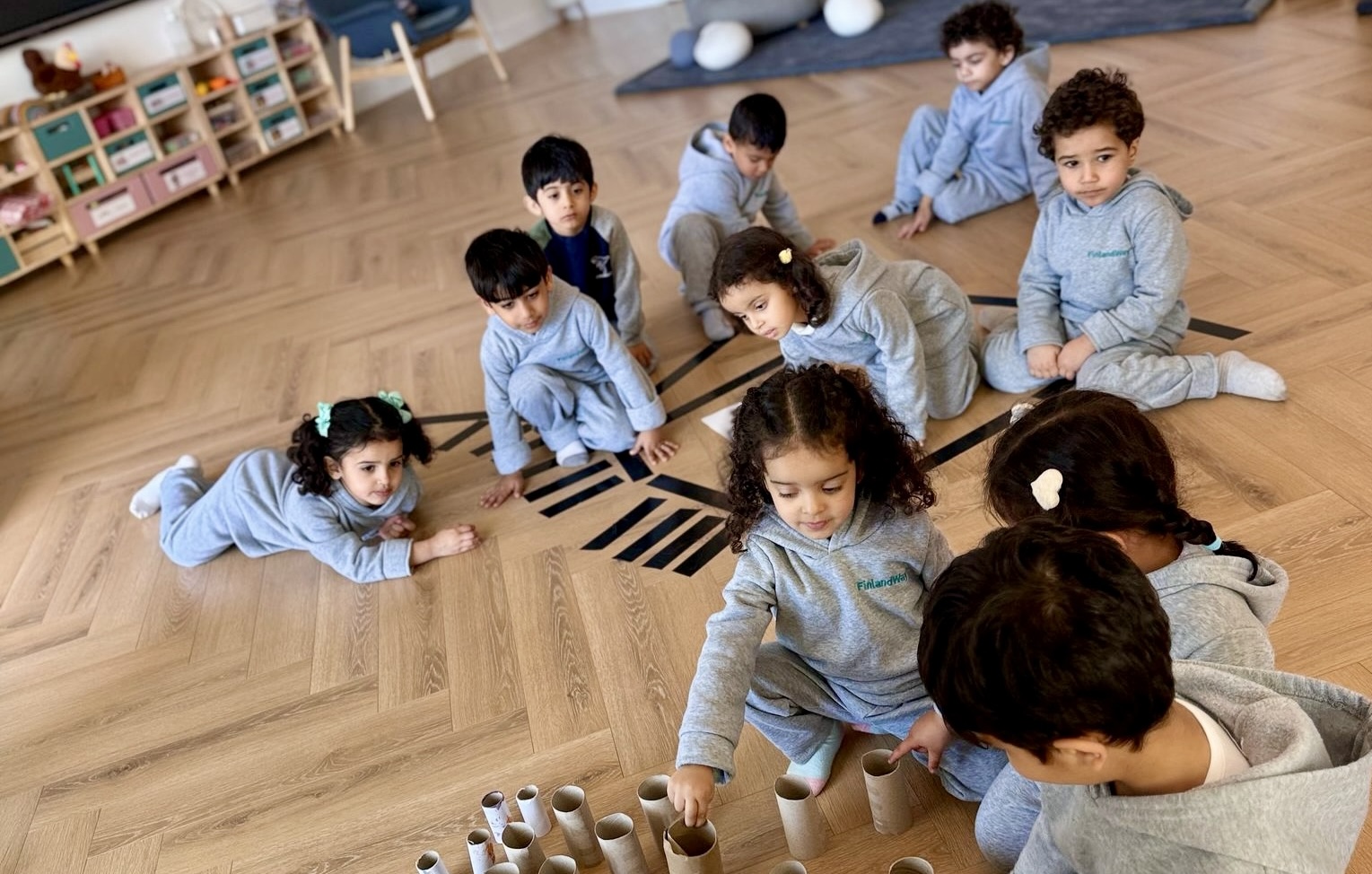
Maths through play
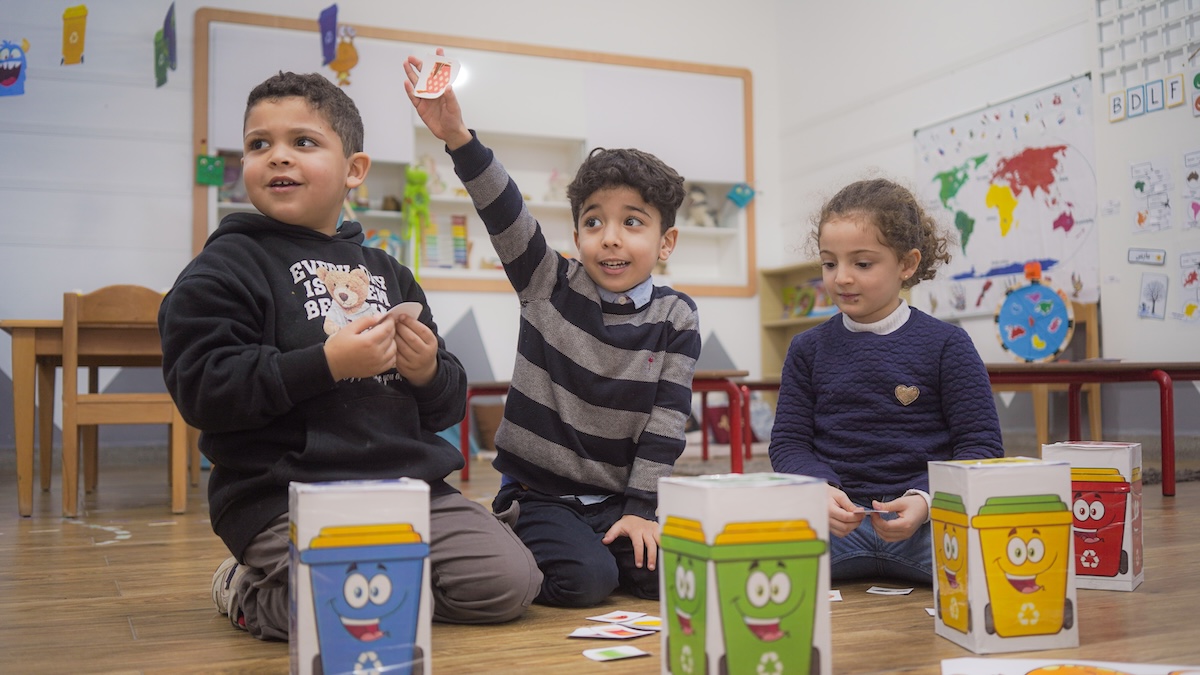
During play, children naturally explore:
- counting and adding
- comparing sizes and quantities
- recognising patterns
These skills develop without pressure or fear of mistakes. A well-educated teacher facilitates these learning moments.
Maths in daily routines
Real-life mathematics is everywhere:
- setting the table (counting plates)
- tidying up (sorting objects)
- cooking activities (measuring and timing)
These moments make maths meaningful and memorable.
Emotional benefits of moving away from maths worksheets
Reducing anxiety and pressure
Maths worksheets can make young children feel tested. Real-life mathematics removes pressure and allows children to:
- make mistakes safely
- learn at their own pace
- build confidence naturally
Learning together
Real-life maths often happens socially, helping children develop communication and cooperation alongside maths skills.
The role of the educator in real-life maths learning
Educators transform everyday moments into learning opportunities. Instead of correcting answers on maths worksheets, teachers:
- ask open-ended questions
- encourage children to explain their thinking
- introduce maths language naturally
For example:
- “How many do we have altogether?”
- “Which one is bigger?”
- “What happens if we add one more?”
Why parents should rethink maths worksheets
Many parents worry that without maths worksheets, children will not be ready for school. Evidence shows the opposite.
Children who learn maths through real-life experiences often:
- understand concepts more deeply
- show greater confidence
- adapt more easily to formal learning later
The UNICEF Learning Through Play report explains how playful, real-life learning supports lifelong skills.
What parents should look for
When visiting a preschool or nursery, look for these signs:
- children actively using maths in play
- teachers using maths language naturally
- hands-on materials and meaningful activities
- a calm, enjoyable learning atmosphere
From worksheets to real-life mathematics at FinlandWay Schools
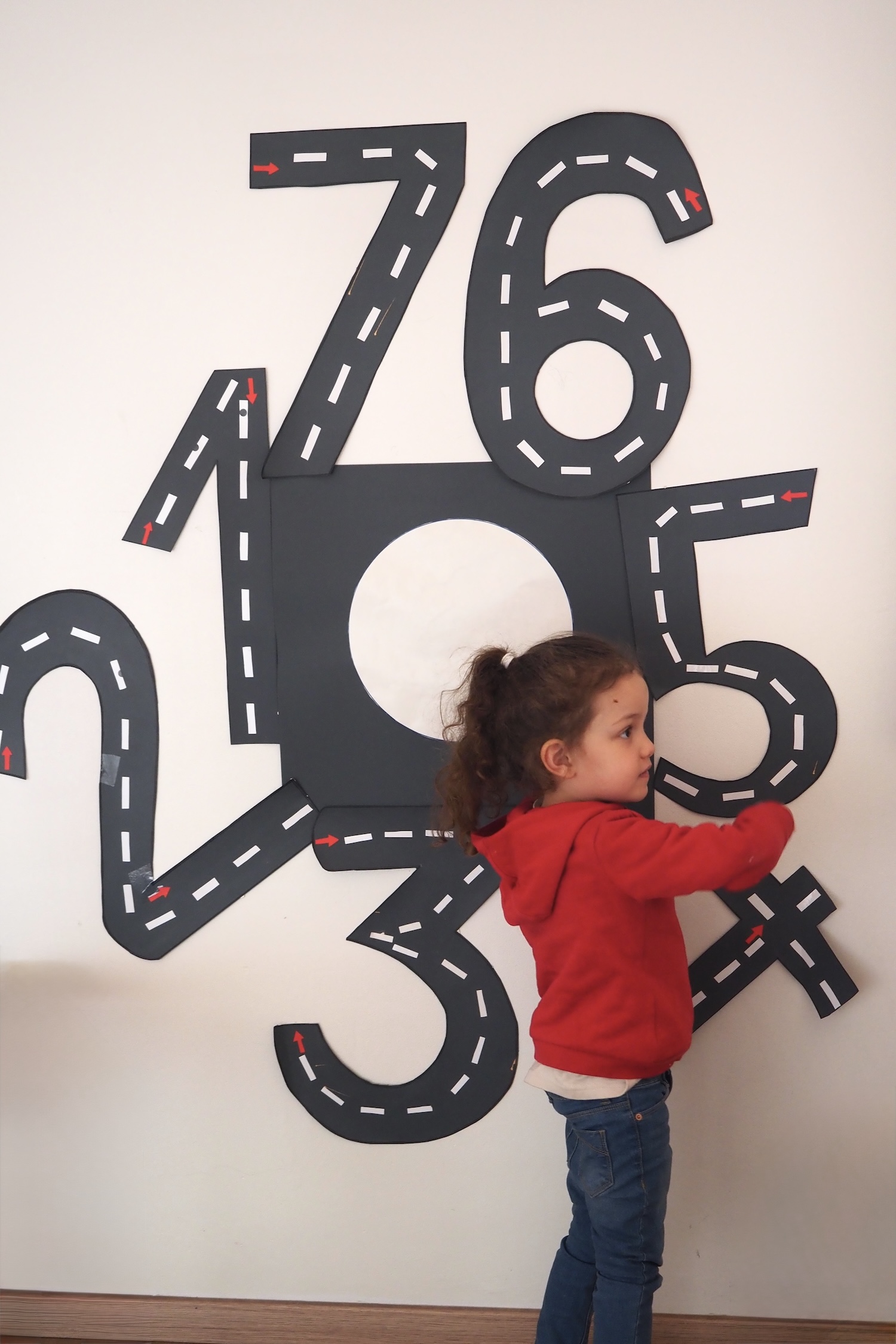
FinlandWay Schools follow internationally respected Finnish education principles, where real-life mathematics replaces early academic pressure. Rather than relying on maths worksheets, children learn through:
- play and exploration
- daily routines
- guided teacher interaction
- meaningful real-world experiences
Learn more about the FinlandWay approach:
Frequently asked questions about maths worksheets
Are maths worksheets useless?
Not completely, but they should not be the main method of early maths learning.
Can worksheets be used at all?
Occasionally, and only when developmentally appropriate.
Will my child fall behind without maths worksheets?
No. Children who learn through real-life mathematics often develop stronger foundations.
When should formal maths begin?
Formal, abstract maths works best after children have built strong real-life understanding.
Conclusion: real-life mathematics builds real understanding
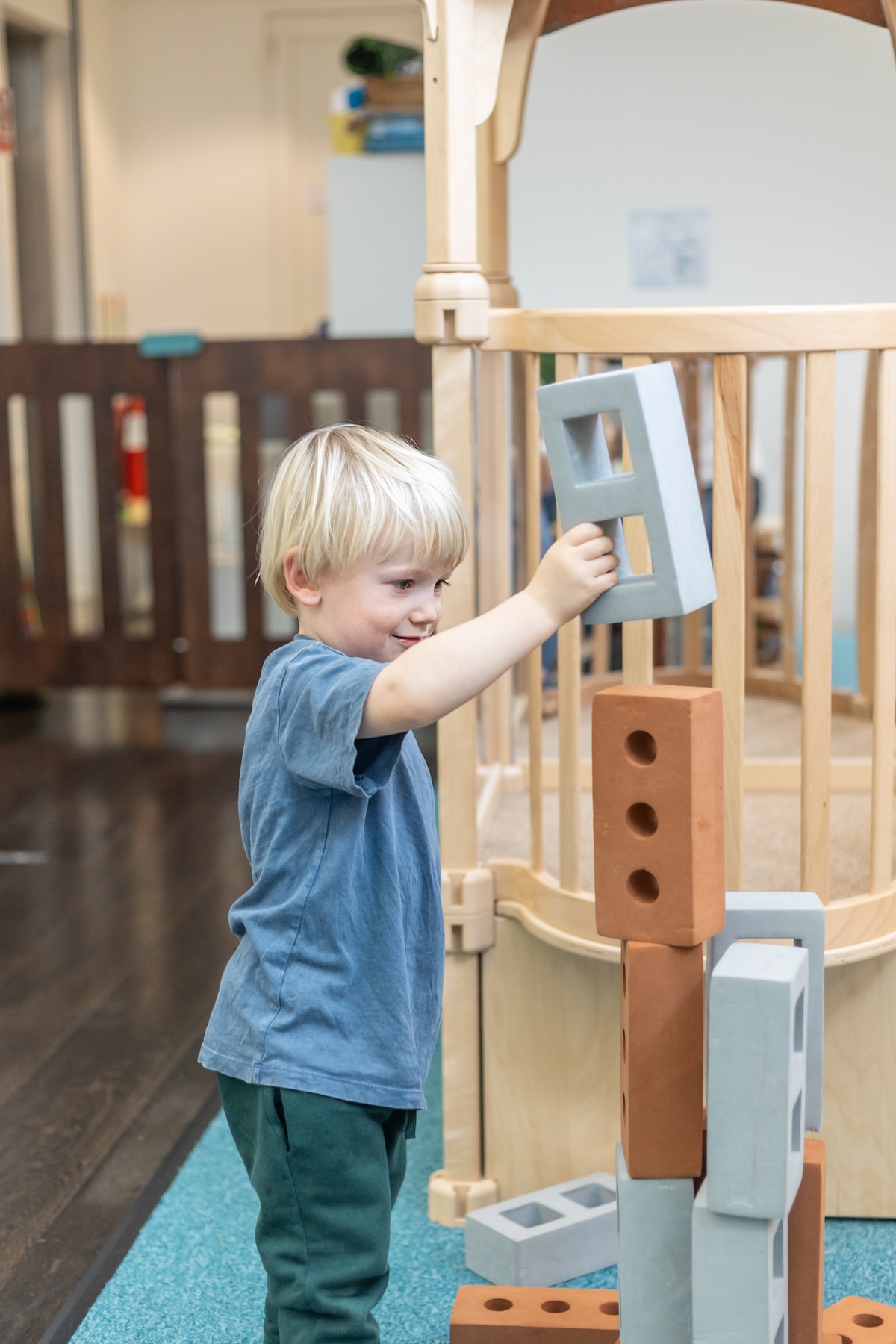
Moving from maths worksheets to real-life mathematics allows children to understand maths, enjoy it, and feel confident using it. Instead of memorising symbols, children learn what numbers truly mean.
By choosing real-life, play-based learning environments such as FinlandWay Schools, families give their children a strong, stress-free foundation for future maths success.