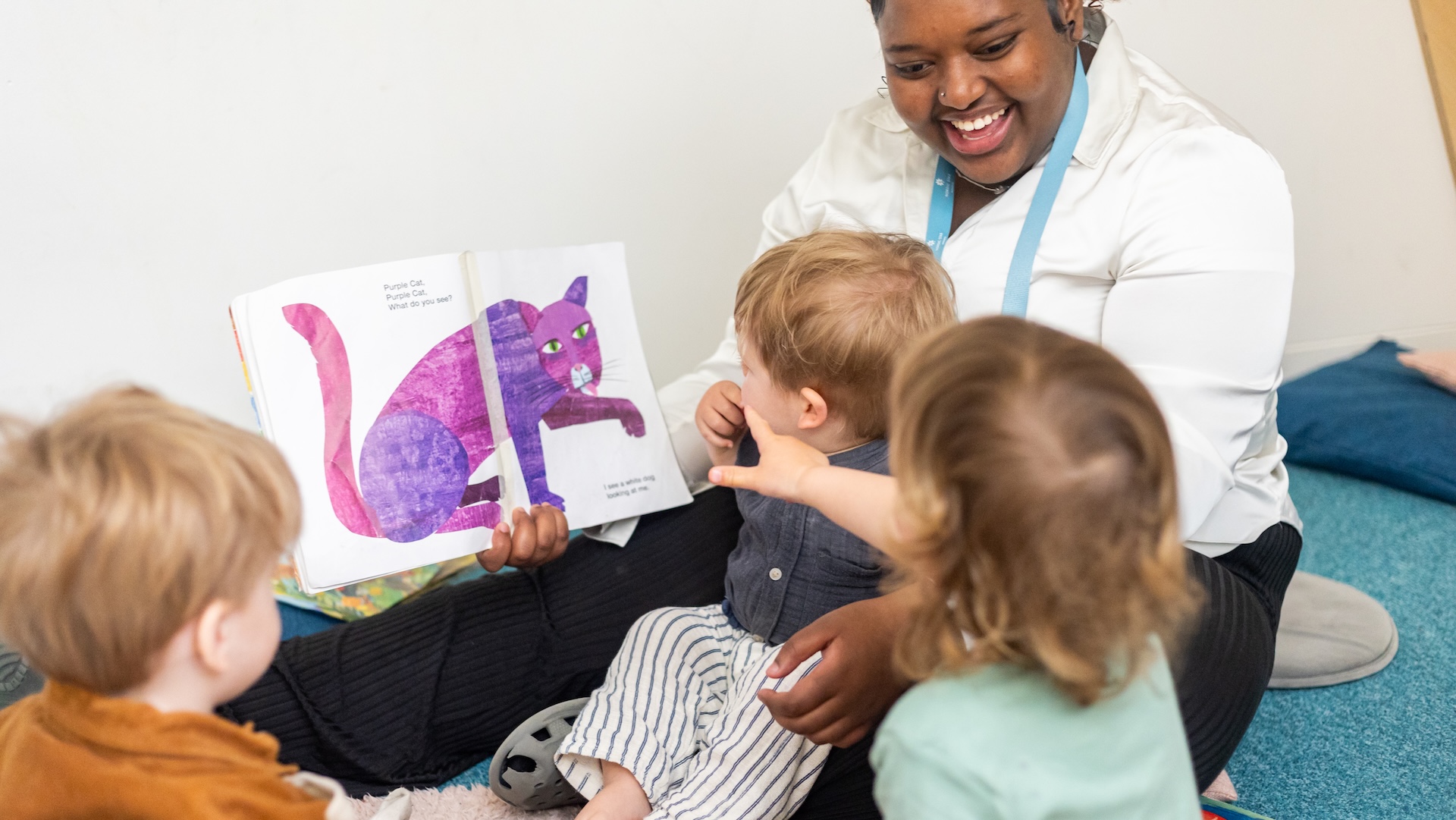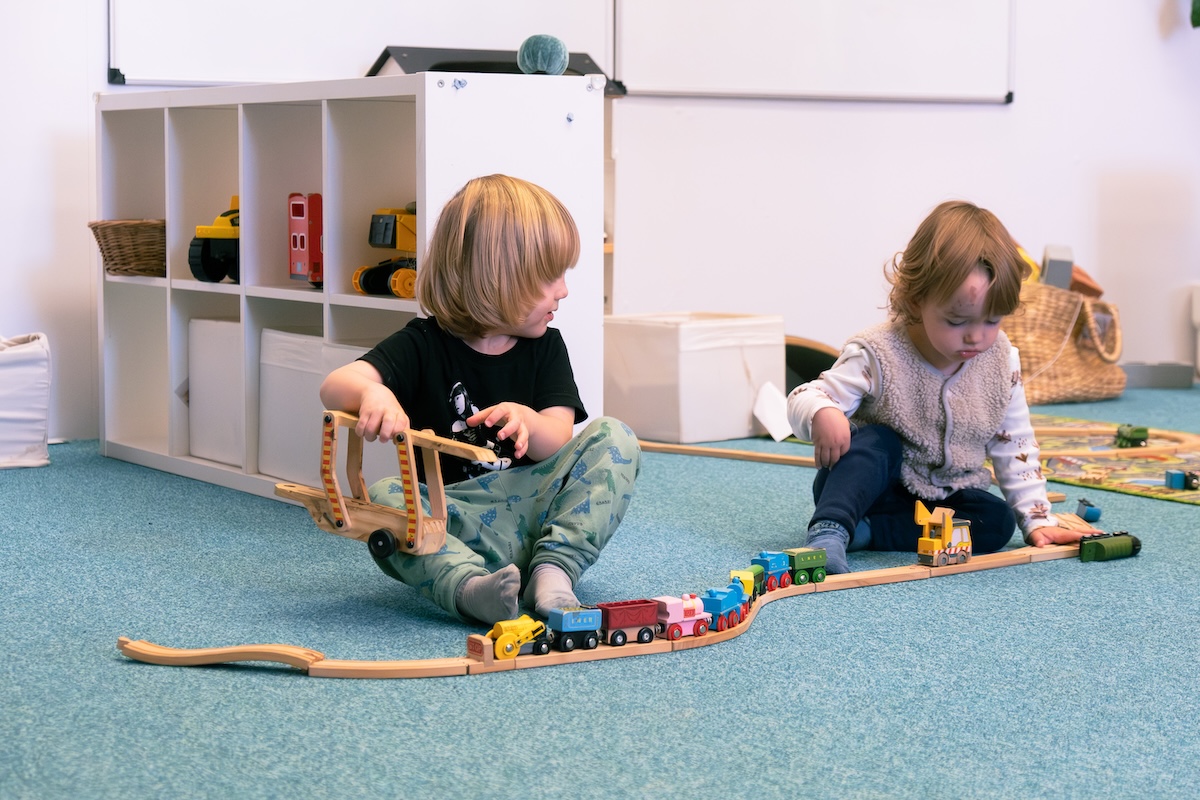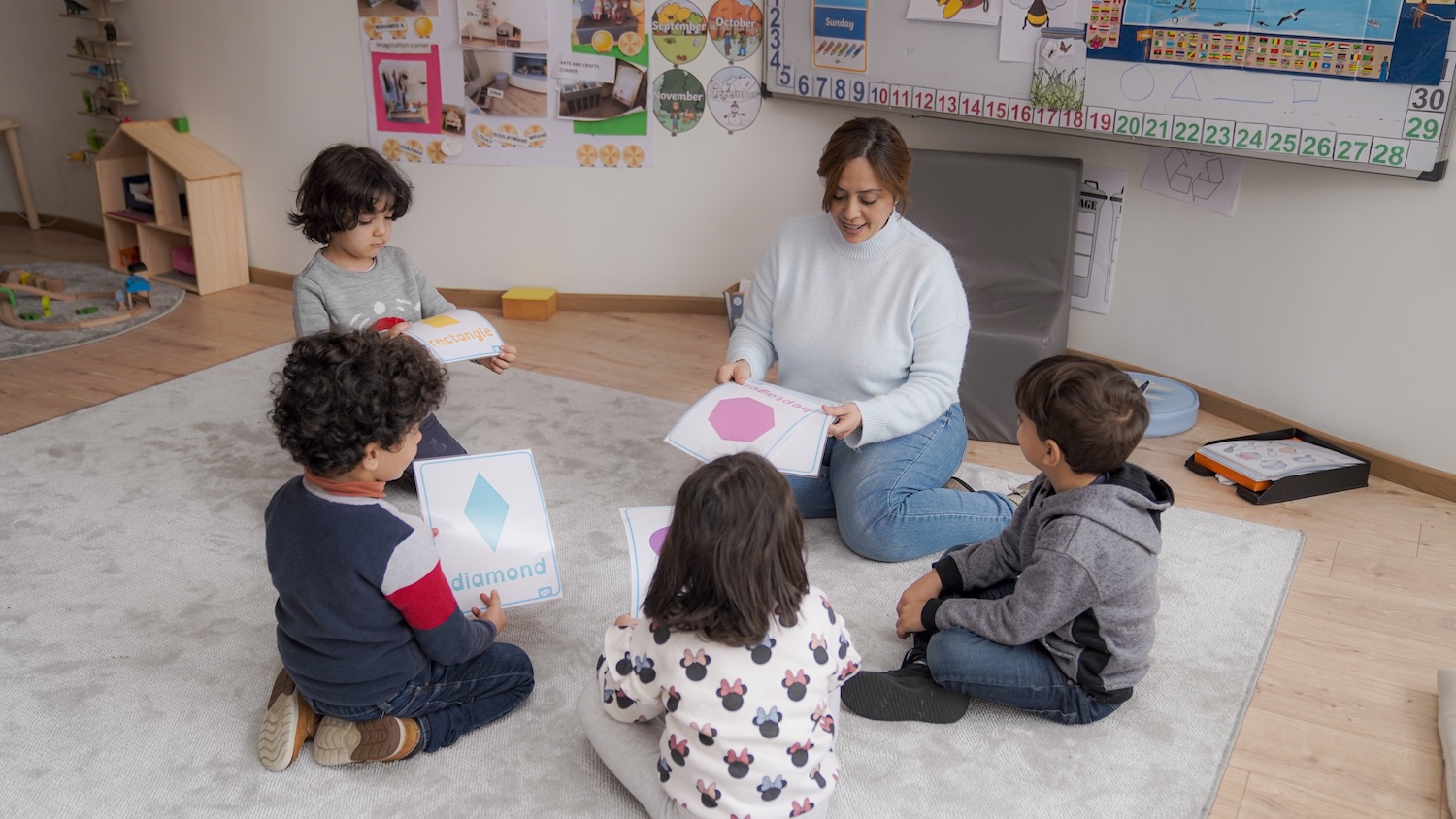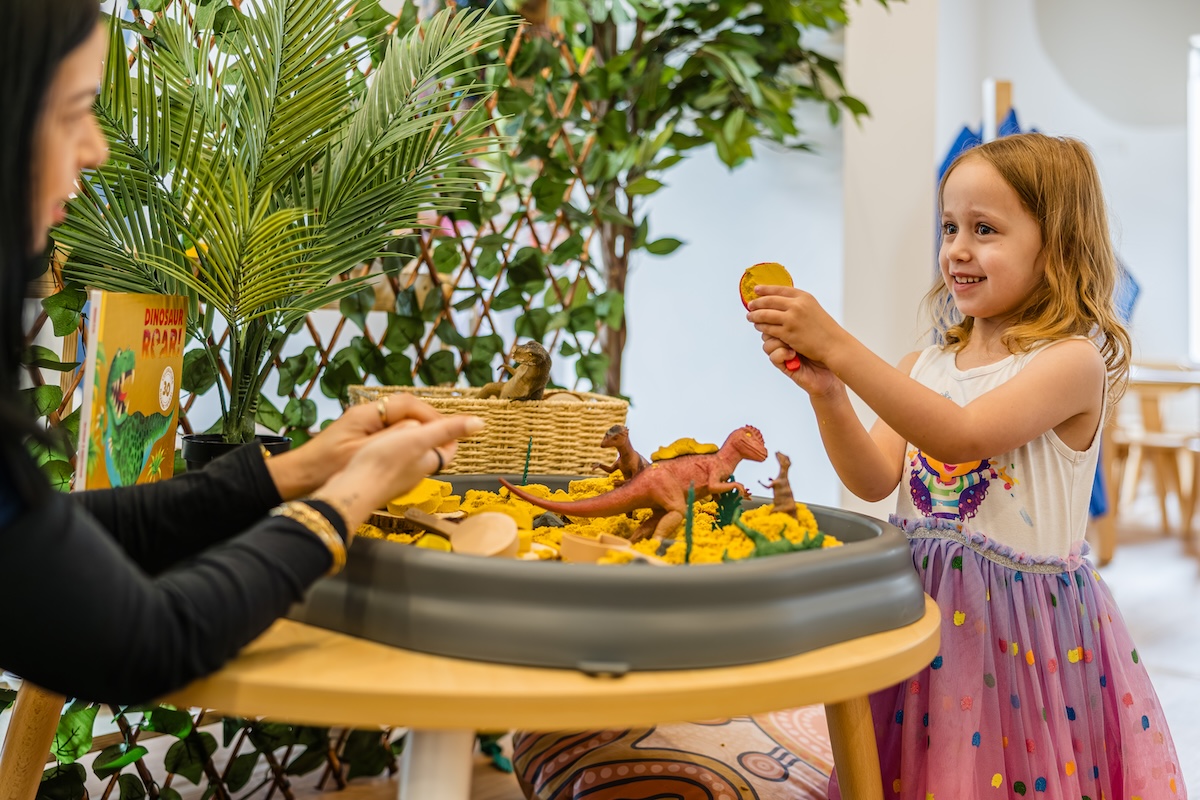

Play is often misunderstood as “just fun”. In reality, play is the foundation of learning in every high-quality nursery school. It is how young children explore the world, express emotions, develop language, and build essential life skills.
In a high-quality nursery school, play is not random or unstructured. It is intentional, meaningful, and guided by trained educators who understand how children learn best in the early years. This article explains why play sits at the very heart of nursery school learning and how parents can recognise play-based quality in practice.
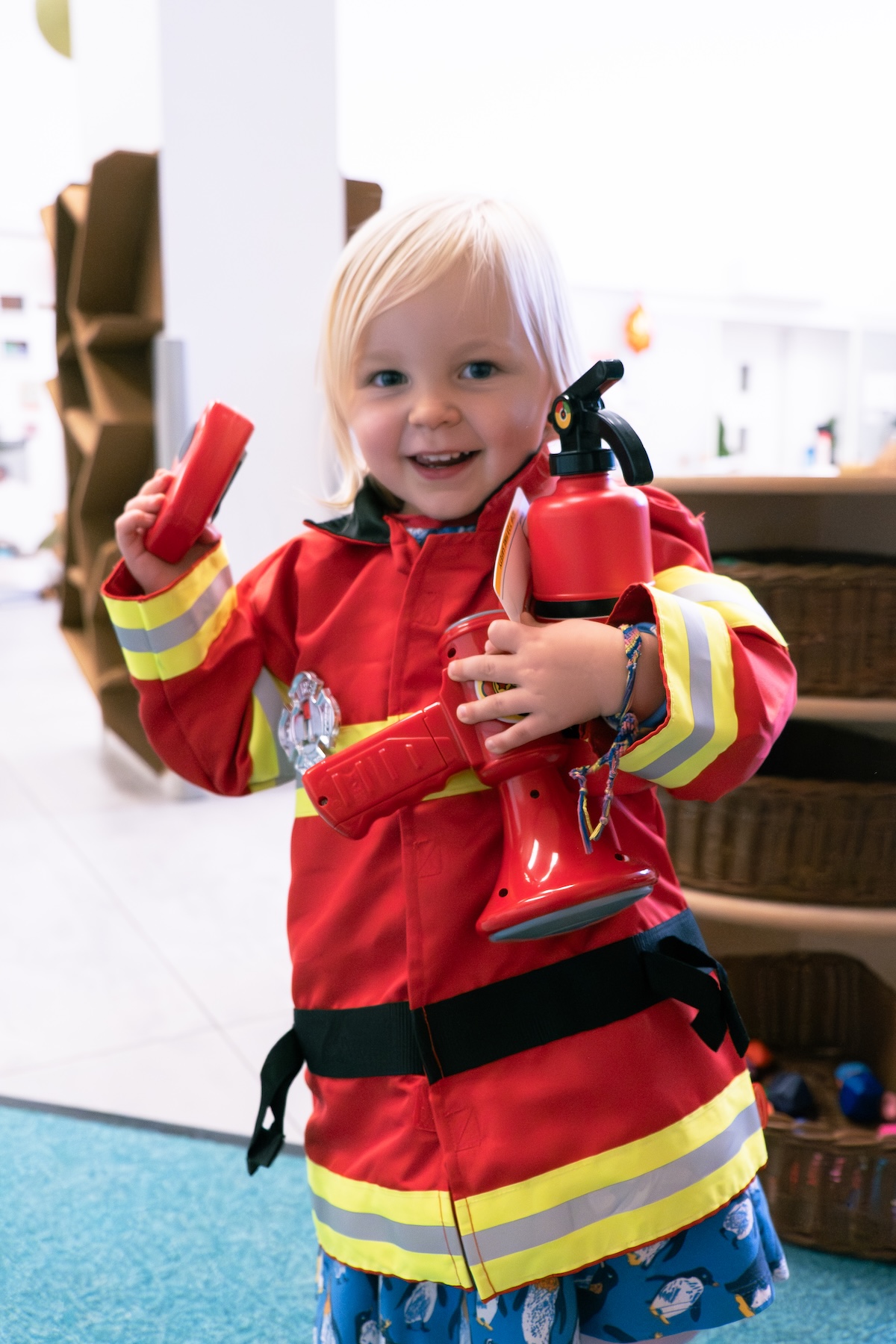
Why does play matters so much in a nursery school
Children are natural learners. From birth, they learn by touching, moving, observing, and experimenting. When a nursery school values play, it respects how young children’s brains develop and how learning naturally happens in early childhood.
In a high-quality nursery school, play supports many areas of development and helps children explore new ideas and practise new skills. Through play, children’s language and communication skills grow as they talk with others, describe what they are doing, and create play stories together.
Play also supports emotional expression and self-regulation. Children practise waiting for their turn, managing frustration, and expressing feelings, for example when caring for a doll or acting out emotions in role play. Social skills develop as children play together, learn to cooperate, negotiate what to play, and agree on different roles.
During play, children make sense of the world around them by acting out real-life situations, such as going to the shop or visiting the doctor. At the same time, early thinking and problem-solving skills are strengthened through activities like building with blocks, experimenting, and finding solutions during play.
For evidence-backed insights on learning in early childhood, you can explore:
Harvard University – Center on the Developing Child.
How children learn through play in a nursery school
Play as a natural learning process
Young children are not developmentally ready to sit still for long periods or to learn primarily through formal instruction. Their learning is active, physical, social, and emotional. Play allows learning to happen naturally, without pressure or unrealistic expectations.
Through play in a nursery school, children ask questions and explore their own ideas. They test cause and effect by trying, adjusting, and trying again. They practise new words and concepts in meaningful contexts rather than memorising them in isolation. At the same time, they learn how to negotiate, share, cooperate, and solve conflicts. These are essential skills that support both academic and lifelong success.
This is why worksheets and repetitive drills are rarely effective in the early years. They may produce short-term results, but they do not align with how young children develop and learn. Play, in contrast, is developmentally appropriate, meaningful, and often far more impactful for young learners.
The role of the educator in play-based learning
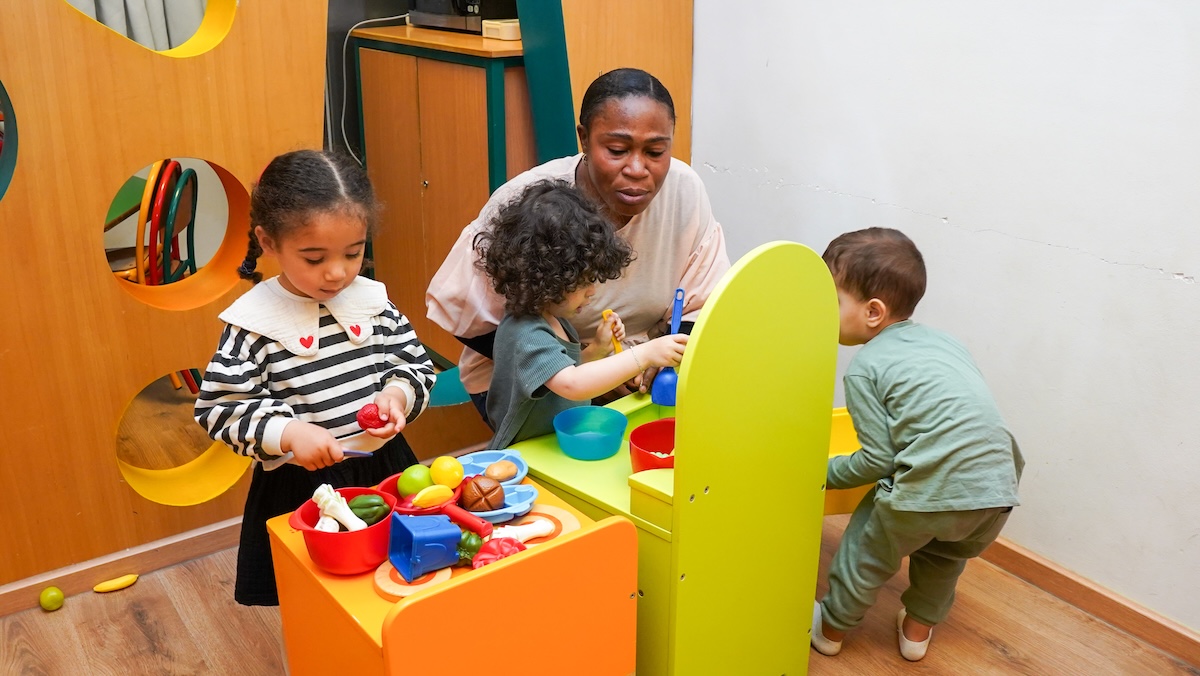
Play does not mean the absence of structure. In a high-quality nursery school, learning is intentional and thoughtfully guided. Educators observe children carefully in order to understand their interests, strengths, and developmental needs. They create rich, stimulating environments that invite exploration and problem-solving. Through open-ended questions and meaningful interaction, they gently extend learning at the right moment.
In this approach, teachers act as guides and facilitators rather than traditional instructors. They create the conditions for learning, support children’s thinking, and introduce new ideas in ways that feel natural and connected to play. This balance between freedom and guidance is central to Finland-inspired nursery school education and is reflected in the philosophy of FinlandWay® Schools.
Types of play that support learning in nursery schools
Free play and guided play
Different kinds of play support children’s learning and are essential in a nursery school setting. Play is not a single activity, but a range of experiences that together create meaningful learning opportunities.
During guided play, the teacher actively supports the learning process while remaining responsive to the child’s ideas. Educators may introduce new vocabulary, early maths concepts, or social skills within the context of play. For example, while building together, a teacher might highlight shapes, compare sizes, or encourage problem-solving. Guided play is especially effective when introducing new topics or gently extending children’s understanding.
During free play, children have the chance to choose their own activities, follow their interests, and develop independence. They take the lead, make decisions, and negotiate roles with peers. In these moments, children often apply concepts they have previously learned. A pretend market or shop may naturally include counting money, comparing quantities, writing signs, or solving small social conflicts.
A high-quality nursery school balances both guided and free play. This balance ensures that children feel supported and challenged in their learning while also having the freedom to explore, create, and build confidence independently.
Emotional development through play in nursery school
Play as an emotional expression
Young children often lack the language skills needed to clearly express their emotions. Play provides a safe and meaningful way for them to communicate feelings, process experiences, and release stress. Through role play, storytelling, construction, or creative activities, children act out real-life situations and explore different perspectives.
In a play-based nursery school environment, educators observe these moments carefully and support children by naming and validating emotions. They might say, “You look frustrated,” or “That made you happy,” helping children connect words to feelings. Over time, these interactions strengthen emotional awareness, self-regulation, and resilience in a natural and developmentally appropriate way.
Feeling safe to explore and learn
Children engage deeply in learning only when they feel safe. A play-based nursery school environment is calm, predictable, and supportive. Clear routines, warm relationships, and respectful guidance create a sense of security. When children feel emotionally safe, they are more willing to try new things, solve problems, and take small risks in their learning.
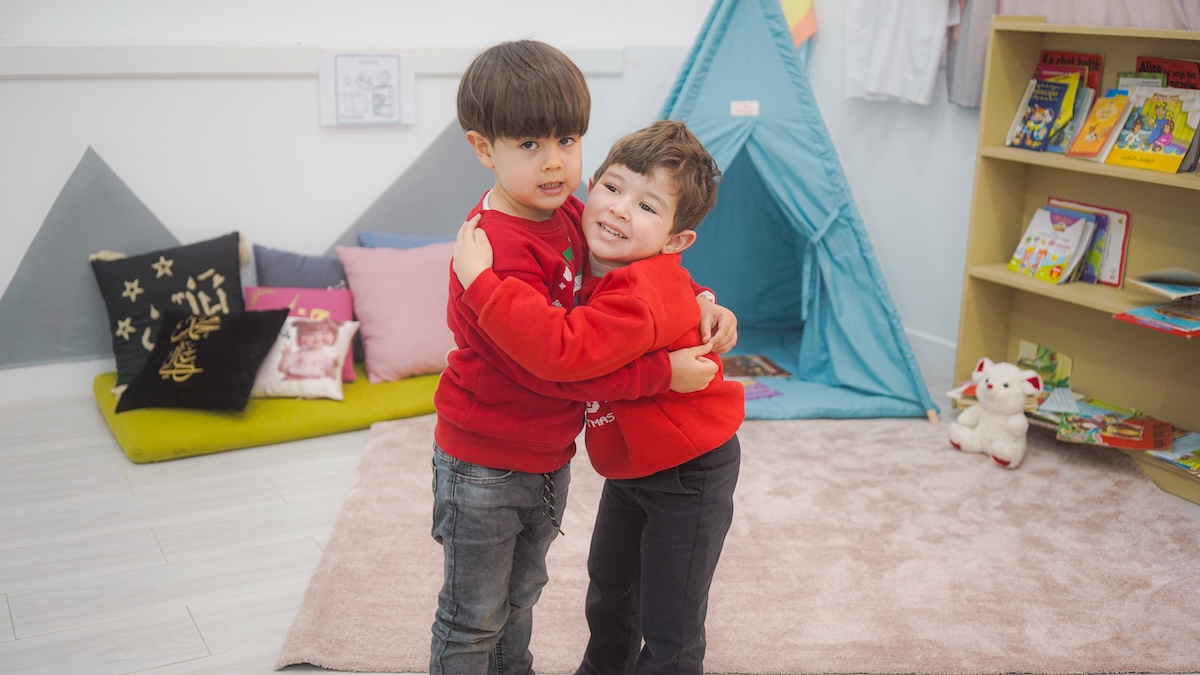
Language and early maths through play
Developing language naturally
In a play-based nursery school, language development is embedded throughout daily activities. Children engage in conversations during role-play, participate in storytelling and songs, and take part in group games and discussions. Through these meaningful interactions, children naturally acquire new vocabulary and develop sentence structure, as language is directly connected to their experiences and actions.
Early maths without pressure
In place of formal worksheets, young children are introduced to early mathematical concepts through play-based experiences. These include sorting and classifying objects, building and measuring, and counting in real-life contexts. Learning mathematics in this way allows children to develop understanding and confidence without pressure, supporting positive attitudes toward learning from an early age.
For a practical guide to quality curriculum, see:
What makes a great preschool curriculum? key components and best practices
Comparing play-based and traditional nursery school learning
| Aspect | Traditional nursery school | Play-based nursery school |
| Learning style | Worksheets and repetition | Exploration and play |
| Child’s role | Passive | Active |
| Motivation | External rewards | Natural curiosity |
| Learning outcome | Short-term results | Deep, lasting understanding |
For a readable overview on play and learning, you can also reference:
UNICEF – Learning through play (PDF)
The learning environment that supports play
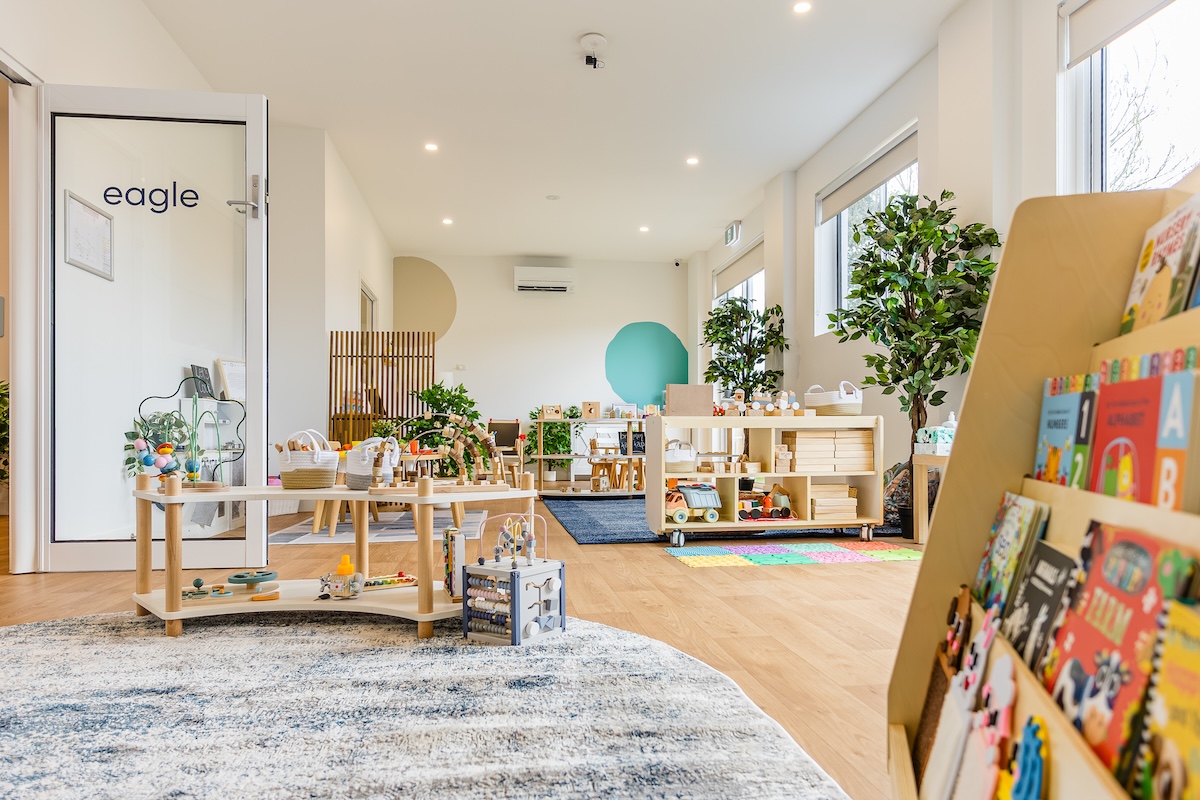
Designed spaces that invite exploration
The environment is a silent teacher in every nursery school. The way a space is organised influences how children move, interact, and learn. In play-based settings, environments are intentionally designed to invite curiosity and independence.
Open-ended materials encourage creativity and problem-solving rather than single correct outcomes. Calm layouts reduce overstimulation and help children concentrate. Clear learning zones support different types of activity, such as construction, role play, reading, art, or quiet rest, allowing children to move purposefully between experiences.
When spaces are thoughtfully prepared, children feel confident to explore, make choices, and engage deeply. The environment itself becomes an active partner in learning, supporting both freedom and focus.
Helpful reading:
How to create an engaging learning environment for early childhood education
Indoor and outdoor play balance
Outdoor play is not optional. In high-quality nursery schools, time outside is a natural and essential part of each day. Regular outdoor experiences support children’s overall development in ways that indoor environments alone cannot.
When children play outdoors, they build physical strength, coordination, and endurance. They test their abilities by climbing, balancing, running, and exploring different surfaces. These experiences strengthen confidence as children learn what their bodies can do.
Outdoor play also supports emotional well-being. Fresh air, open space, and contact with nature help children regulate their energy and reduce stress. They observe changes in weather, notice patterns in nature, and develop a sense of curiosity about the world around them.
Spending time outside every day reflects a commitment to holistic development — nurturing not only academic readiness, but also health, resilience, and a meaningful connection with the environment.
Why parents should value play in nursery school
Many parents worry that play means “less learning.” In reality, play prepares children more effectively for future academic success. Early childhood is not about accelerating formal instruction, but about building the foundations that make later learning meaningful and sustainable.
Children who attend play-based nursery schools often develop stronger social skills because they practise communication, cooperation, and conflict resolution every day. They show higher motivation to learn, as curiosity and interest are nurtured rather than replaced by pressure. They also tend to adapt more smoothly to formal schooling later, because they have developed confidence, independence, and the ability to focus on tasks with genuine engagement.
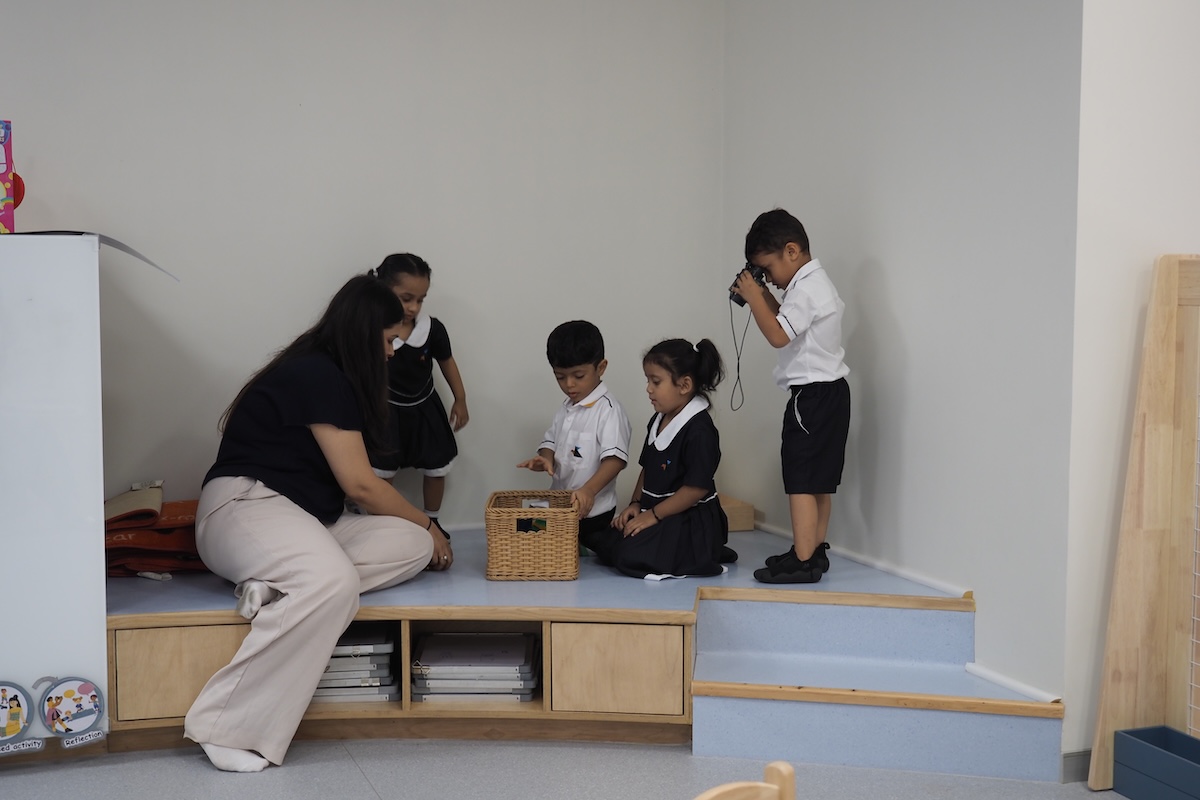
How FinlandWay® Schools place play at the centre of nursery school learning
FinlandWay® Schools follow internationally respected Finnish early education principles, where play is central. In this approach, play is understood as the primary way young children learn, think, and make sense of the world.
Our nursery school programmes are built around child-led exploration, supported by skilled teacher guidance. Educators observe carefully, design purposeful learning environments, and extend children’s thinking through interaction and thoughtful questions. Emotional wellbeing is prioritised, as children learn best when they feel safe, valued, and confident.
Rather than separating learning into narrow academic tasks, FinlandWay® Schools provide meaningful experiences that integrate social, emotional, physical, and cognitive development. Through this balanced and intentional approach, play becomes the foundation for both present wellbeing and future academic success.
Explore FinlandWay® programmes:
Preschool programs
What parents should look for in a play-based nursery school
When visiting a nursery school, ask:
- Are children actively engaged and relaxed?
- Do teachers interact during play?
- Is learning happening naturally through activities?
- Are emotions respected and supported?
Frequently asked questions about play in nursery schools
Is play really effective for learning?
Yes. Play supports language, thinking, social skills, and emotional development, and it helps children engage deeply in learning.
Will my child fall behind academically?
No. Children from play-based nursery schools often do well long term because they build strong foundations and understand concepts deeply.
How much play should there be in a nursery school?
Play should form the majority of the day, supported by routines and guided learning moments.
Is play suitable for all children?
Yes. Play-based learning adapts naturally to different abilities, interests, and learning styles.
Conclusion: play is the foundation of nursery school learning
Play is not an additional element of nursery school education; it is central to early learning and development. Through play, children learn to think critically, communicate effectively, regulate their emotions, and develop a positive attitude toward learning.
A high-quality nursery school intentionally designs all aspects of the daily programme around meaningful play-based experiences. By choosing play-based learning environments, such as FinlandWay® Schools, families provide children with a strong foundation for academic learning, emotional well-being, and social development.