
Choosing a preschool for your child involves far more than finding a safe, convenient place to spend the day. The activities children engage in during their earliest years shape not just what they learn but how they learn, how they relate to others, and how they see themselves. Research consistently shows that purposeful, play-based preschool activities lay the groundwork for lifelong success.
At FinlandWay®, we draw on Finland’s world-renowned early childhood education model to design activities that address every dimension of a child’s development. In this article, we explore what it truly means to support the whole child, and which preschool activities make the greatest difference. Learn more about our approach.
What does ‘supporting the whole child’ actually mean?
The phrase ‘whole child’ refers to an approach to early education that goes beyond academic readiness. Rather than focusing solely on letter and number recognition, holistic development addresses four interconnected domains: cognitive, social-emotional, physical, and creative.
Each domain influences the others. Children who feel emotionally secure are better able to focus and take in new information. Regular physical movement builds not just coordination, but also attention spans and memory. Creative play teaches children how to think flexibly, persist through challenges, and trust their own ideas.
When preschool activities are designed with all four domains in mind, the benefits go far beyond academic readiness. Children develop the emotional, social, and cognitive foundations that will support them throughout their entire lives.
Finland’s early childhood education model has consistently ranked among the world’s best precisely because it embraces this holistic vision from the very start.
UNICEF’s framework on holistic child development
Why preschool activities are the vehicle for holistic learning
Young children are not built for passive learning. Before the age of six, children learn primarily through doing: through movement, touch, conversation, and play. This is not a limitation; it is by design. During the early years, children’s brains are at their most receptive, wired to absorb and make sense of the world through direct experience.
This is why the quality of preschool activities matters so much. A well-designed activity is never just about keeping children busy. It is a structured opportunity for a child to explore, ask questions, work with others, and grow, guided by a skilled and trained educators who support rather than direct.
The OECD’s Starting Strong research confirms that play-based learning in early childhood produces stronger long-term outcomes in literacy, numeracy, and social skills than formal instruction alone. Read the OECD report on early education.
Preschool activities that develop cognitive skills
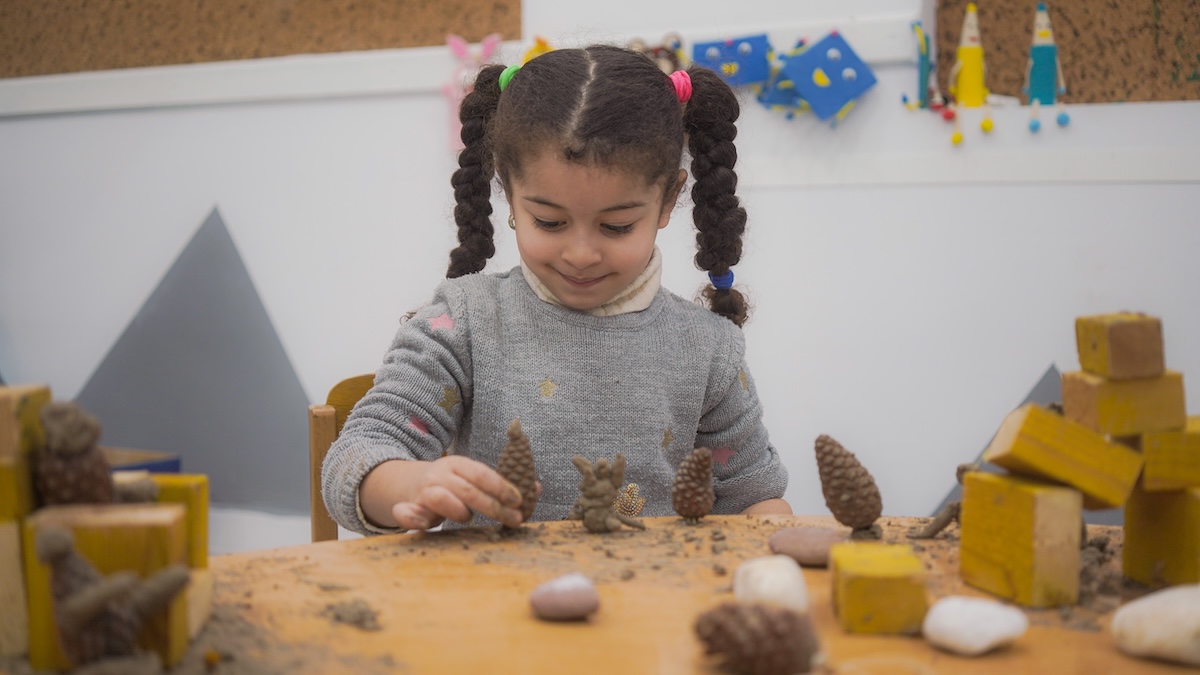
Cognitive development in early childhood is about far more than memorising facts. It encompasses curiosity, attention, reasoning, language, and the capacity to solve problems creatively. The following activities are particularly effective:
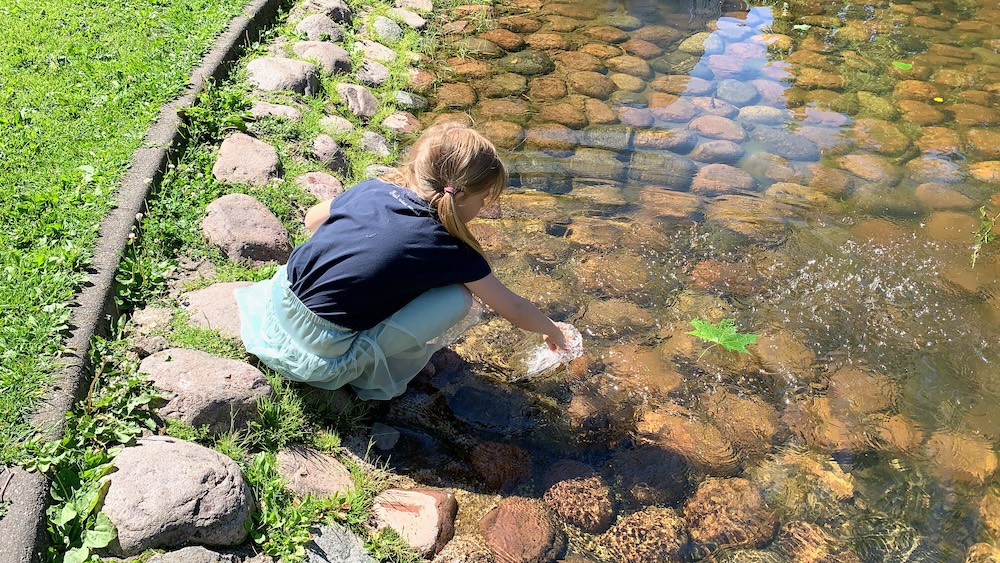
- Nature exploration: collecting, sorting, and discussing natural objects builds observation skills, vocabulary, and early scientific thinking.
- Storytelling and narrative play: listening to and retelling stories strengthens language comprehension, sequencing, and imaginative thinking.
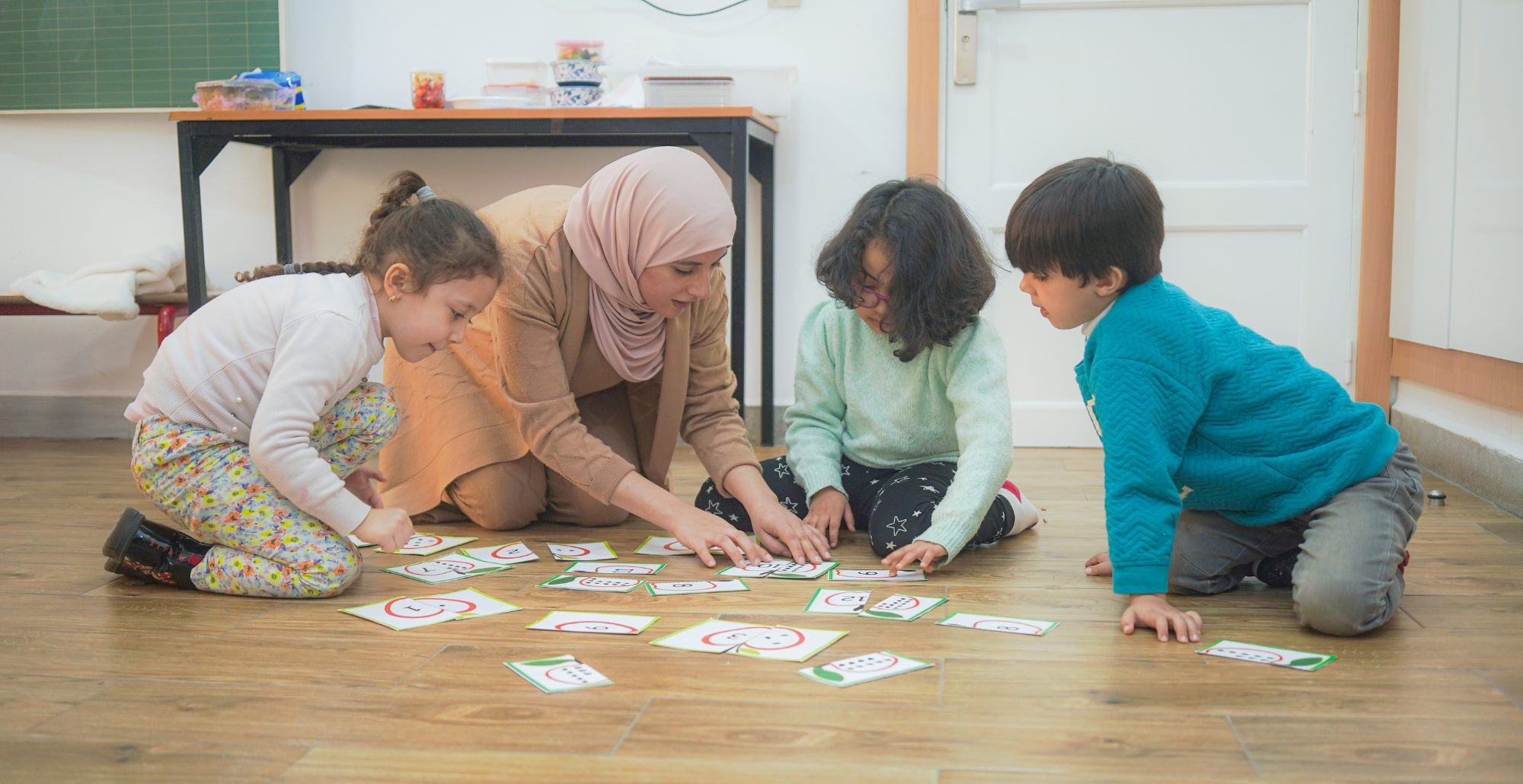
- Sorting and matching games: simple classification tasks build the logical foundations of mathematics in a joyful, hands-on way.
- Building and construction: block play encourages spatial reasoning, planning, and cause-and-effect thinking.
In the FinlandWay® curriculum, cognitive activities are never abstract. Children count real objects, explore real environments, and solve real problems, because meaningful context accelerates learning.
Harvard’s Centre on the Developing Child explains that early experiences literally shape brain architecture, making the preschool years a critical window for cognitive investment.
Harvard Centre on the Developing Child.
From Maths Worksheets to Real-Life Mathematics
Preschool activities that build social and emotional skills
Social and emotional learning (SEL) is arguably the most transformative area of early childhood development, and the one most easily overlooked in favour of academic content. Yet the ability to manage emotions, empathise with others, and navigate relationships underpins success in every area of life.
Effective preschool activities for SEL include:
- Circle time: a daily routine where children share, listen, and practise taking turns, building community and communication skills.
- Role play and dramatic play: children rehearse real-life scenarios, developing empathy, perspective-taking, and conflict resolution.
- Emotion cards and puppet activities: naming and discussing feelings helps children develop emotional vocabulary and self-regulation.
- Collaborative group projects: working together towards a shared goal builds cooperation, negotiation, and accountability.
The FinlandWay® programme places a strong emphasis on children’s participation, ensuring every child has a voice and feels genuinely seen. This participatory approach is central to Finnish early education philosophy. CASEL framework on early social-emotional learning
Preschool activities that support physical development
Physical development in the preschool years encompasses both gross motor skills (running, jumping, climbing) and fine motor skills (drawing, threading, manipulating small objects). Both are essential for children’s health, coordination, and, crucially, their readiness to write and concentrate.
High-impact physical preschool activities include:
- Outdoor free play: unstructured time in natural environments develops balance, spatial awareness, risk assessment, and resilience, qualities that no indoor setting can fully replicate.
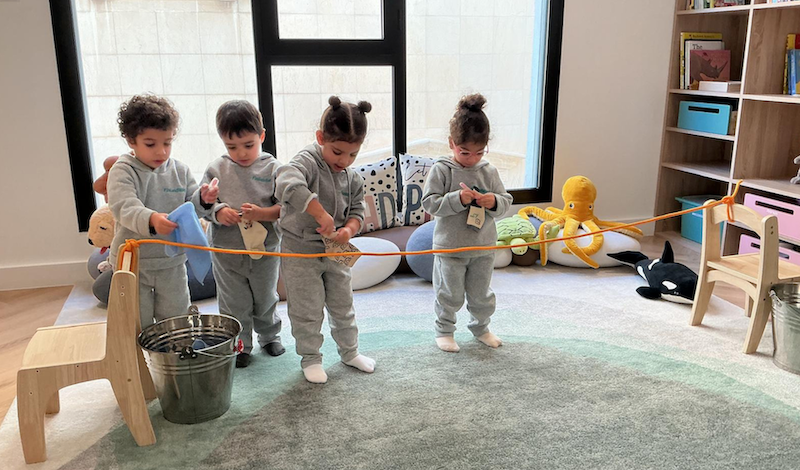
- Fine motor stations: activities such as threading, cutting, clay modelling, and painting build the hand strength and dexterity that underpin early writing.
- Movement games: structured games involving jumping, throwing, and coordination develop gross motor skills while giving children the joy of learning together through the body.
- Sensory play: sand, water, and textured materials stimulate sensory processing and are especially valuable for children with diverse developmental needs.
In Finland, outdoor learning is not a fair-weather luxury. It is a year-round pedagogical commitment, grounded in the understanding that children who spend regular time outside show measurable improvements in concentration, well-being, and physical confidence.
The WHO recommends that children under five engage in at least three hours of physical activity daily, emphasising active play over sedentary screen time. WHO physical activity guidelines for children
Preschool activities that nurture creativity and self-expression
Creative activities are sometimes dismissed as “just art and music.” In reality, they are among the most powerful tools available for developing confidence, flexible thinking, and a love of learning, all qualities that distinguish lifelong learners from those who simply endure education.
Effective creative preschool activities include:
- Open-ended art: painting, collage, and sculpture with no fixed outcome invite children to make independent choices, take risks, and develop a genuine sense of ownership over their work.
- Music and movement: singing, drumming, and dancing develop rhythm, listening skills, and memory, while giving children one of the most natural outlets for emotional expression.
- Dramatic and imaginative play: by creating their own worlds, characters, and narratives, children build language, creativity, and social understanding at the same time.
- Open-ended construction: working with blocks, sticks, and natural materials encourages both engineering thinking and an early sensitivity to form, function, and beauty.
The FinlandWay® curriculum ensures that creativity is woven into every domain, not treated as a separate subject, but as a way of engaging with the world. UNESCO on arts education and early childhood
How to spot a preschool that gets activities right
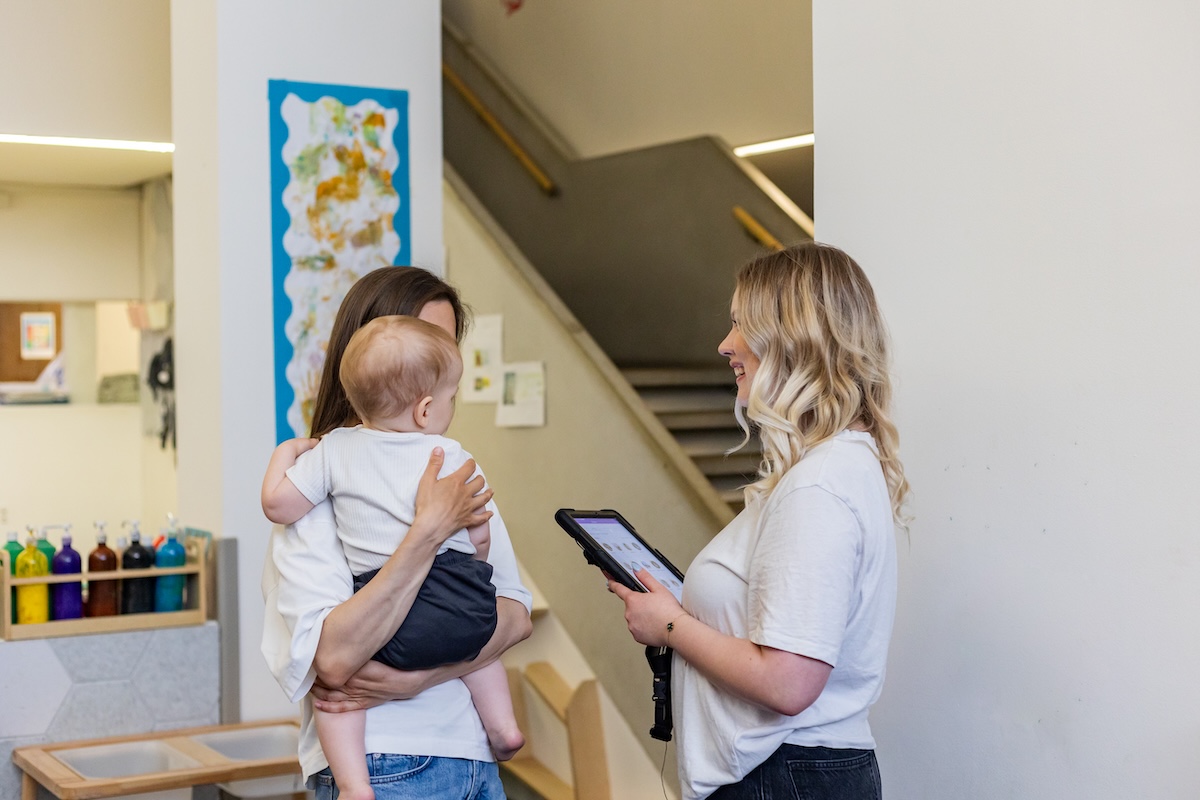
Not all preschool activities are created equal. A classroom filled with worksheets and teacher-led drills looks very different from one where children are actively exploring, collaborating, and making choices.
When visiting or evaluating a preschool, here is what to look for:
- Children are moving, talking, building, and creating rather than sitting quietly at desks.
- Activities span all four developmental domains. You can see evidence of cognitive, social, physical, and creative engagement throughout the day.
- The environment is prepared and intentional, materials are accessible, organised, and clearly chosen to inspire exploration.
- Educators ask open questions, listen carefully, and follow children’s interests.
- There is regular, meaningful time spent outside, in all weather.
- Children’s work is displayed and celebrated; the classroom reflects the children who learn there.
FinlandWay® partner schools are evaluated against rigorous quality criteria to ensure they meet these standards consistently. Every school in our global network delivers the same research-backed curriculum, tailored sensitively to local culture.
Find a FinlandWay® school for your family
Top Nursery School Programmes for Early Childhood Development
For schools: Building an activity-rich curriculum that stands out
For nursery and preschool owners, the quality of your activity programme is one of the most powerful differentiators available to you. Parents increasingly research early education before choosing a school, and those who understand child development will prioritise activity-rich, holistic environments over those that focus narrowly on academic preparation.
A structured, research-backed activity curriculum does more than attract families. It empowers your educators, reduces planning burden, improves outcomes for children, and builds your school’s reputation as a centre of genuine excellence.
FinlandWay® provides partner schools with a complete early childhood education system, including curriculum, training, materials, and ongoing pedagogical support, grounded in Finland’s proven methodology and adapted for diverse cultural contexts.
The World Economic Forum identifies investment in early childhood education as one of the highest-return social investments available to any community.
WEF on early childhood investment
Start a preschool franchise with FinlandWay®
Conclusion
The preschool activities a child engages in during their earliest years are not trivial. They are the experiences that wire the brain, nurture a sense of self, and build the emotional foundations from which a child can truly flourish.
Supporting the whole child means designing every activity with intention, asking not just “what will they do?” but “how will they feel?” A child who feels safe, capable, and genuinely seen is a child who thrives, not only in school, but in life. Finland has long understood this and built one of the most admired education systems in the world on that understanding. At FinlandWay®, we bring that same commitment to children and families globally.
Whether you are a parent searching for a preschool that truly sees your child, or a school owner looking to build something exceptional, we would love to hear from you.
For families: Find a FinlandWay® school near you
For schools: Enquire about our preschool franchise