
The UAE continues to stand out as one of the most forward-thinking places in the world for families searching for a high-quality international preschool. With its rapid development, diverse communities and strong focus on innovation, the education sector is moving through a remarkable transformation. Parents, preschools, nurseries and investors increasingly look for learning environments that promote wellbeing, independence and real-life skills.
Looking ahead to 2026, several exciting shifts are shaping international education in the UAE. From child-centred practices to flexible learning spaces and responsible technology use, the future promises calmer, more supportive and more engaging learning experiences for children. These changes are supported by global research and by education models such as FinlandWay, which emphasise joy, quality and empowerment in early childhood education.
Why the UAE is leading the future of international preschool education
Ambitious UAE education trends shaping change
The UAE has become a global reference point for innovation and quality in education. Government initiatives in Dubai, Abu Dhabi and Sharjah highlight the importance of preparing children for a future built on creativity, communication and advanced technology. This forward-thinking approach pushes schools to rethink the role of teachers, learning spaces and pedagogy.
With more families moving to the UAE, the demand for international preschool options has increased significantly. These schools need to offer not just academic strength but also emotional support, wellbeing and holistic approaches that help children grow confidently. Traditionally, British and American curriculums have been the most common options for the UAE parent, but more variety is coming to the market, including the Finnish curriculum.
Why families expect more from preschools, nurseries and schools
Families in the UAE are internationally minded and value learning environments that allow children to feel safe and motivated. They want calm routines, strong relationships with teachers and opportunities that help children develop independence. Many parents are now familiar with research-based education models that focus on wellbeing and life skills, which is why approaches inspired by Finland resonate so strongly.

The main trends defining international education UAE by 2026
A shift towards child-centred learning experiences
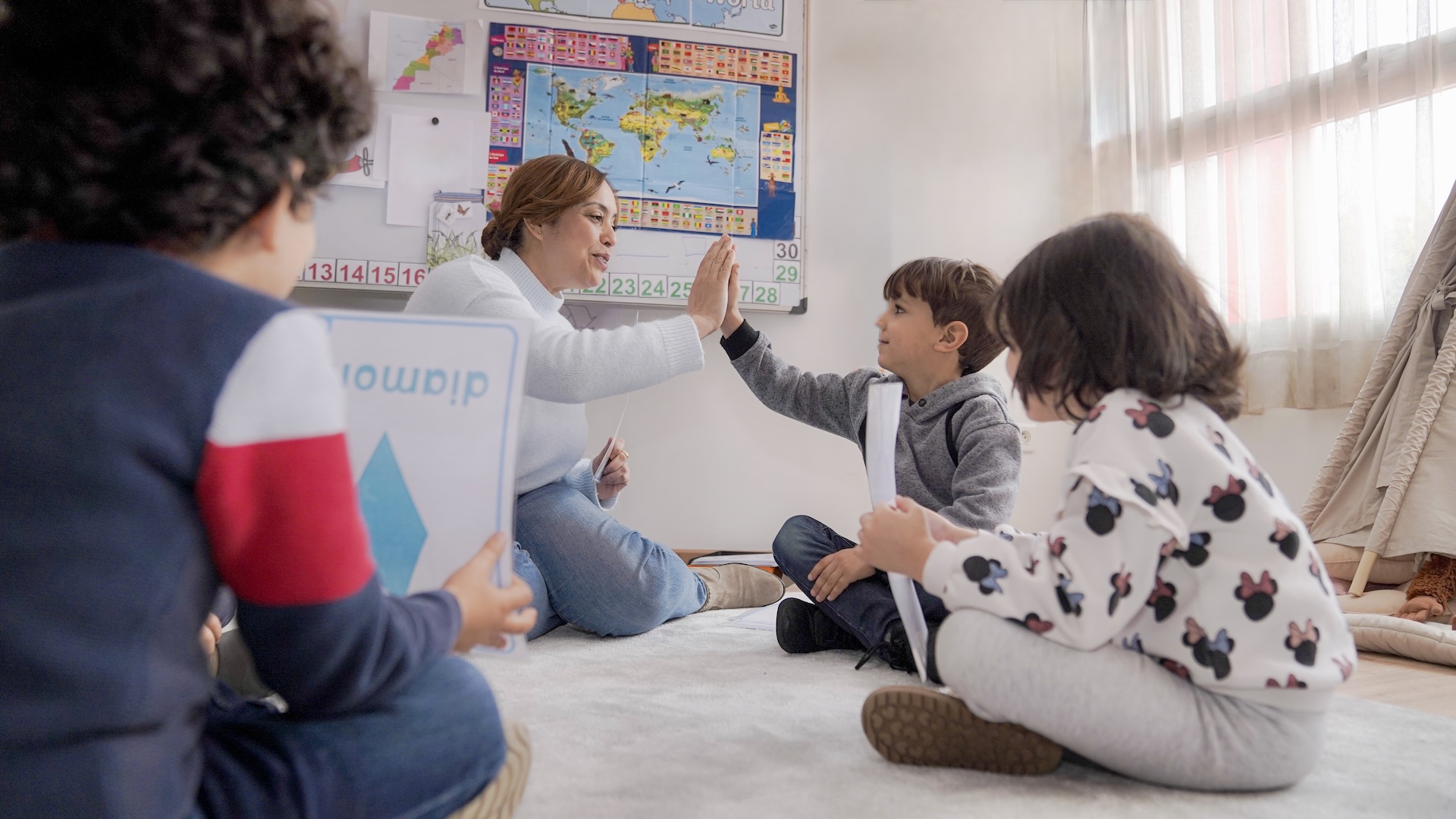
Preschools are increasingly moving away from pressure-based learning. Instead, they focus on children as active participants who learn through meaningful exploration, conversation and hands-on experiences. Teachers guide learning through observation and reflection rather than testing. Instead of traditional subject lessons, learning is phenomenon or project based that allows the teacher to mix different learning areas.
This approach connects closely with FinlandWay’s developmental areas and The Three P’s Methodology. In FinlandWay preschools, teachers are trained to apply play-based, participatory pedagogy where children learn through everyday phenomena.
Technology as a supportive tool in smart schools Dubai
Technology is no longer seen as something separate from learning. In smart preschools, digital tools are used carefully and purposefully. Instead of overwhelming children, technology supports curiosity and helps teachers observe progress.
Examples include:
- Digital learning portfolios
- Interactive storytelling
- Real-time communication with families
Increased attention on teacher training and professional growth
High-quality international school settings invest in teachers. Ongoing training, coaching and global best practices help teachers gain confidence and remain updated, which directly benefits children. Schools with continuous training opportunities stand out as more reliable and future-ready.
FinlandWay offers a distinctive teacher training programme grounded in Finnish pedagogy and practical classroom application. This hands-on, two-year programme takes place both inside and outside the classroom, ensuring that best practices are not only learned but consistently applied in a child-centred way.
Emotionally supportive learning environments
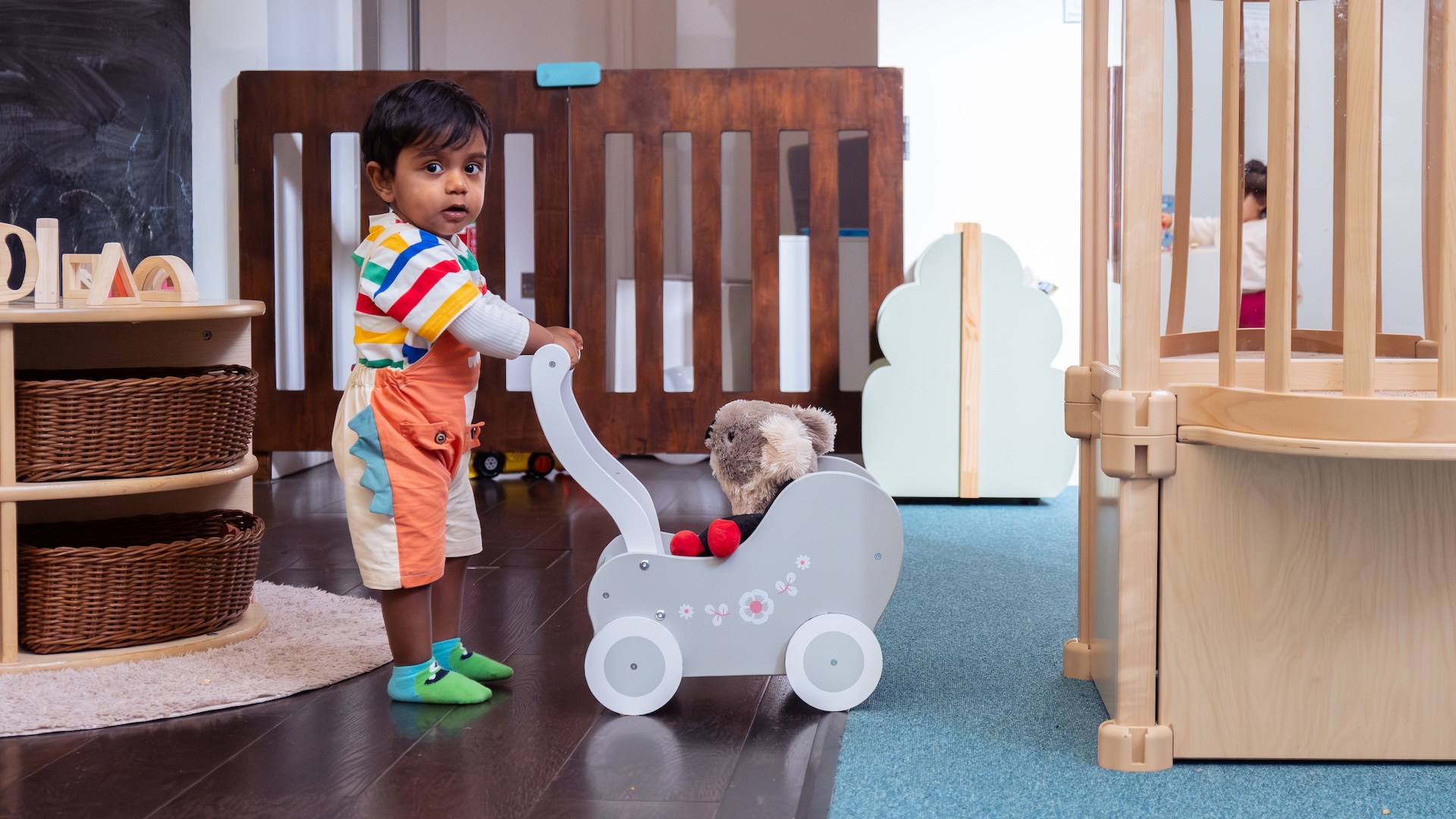
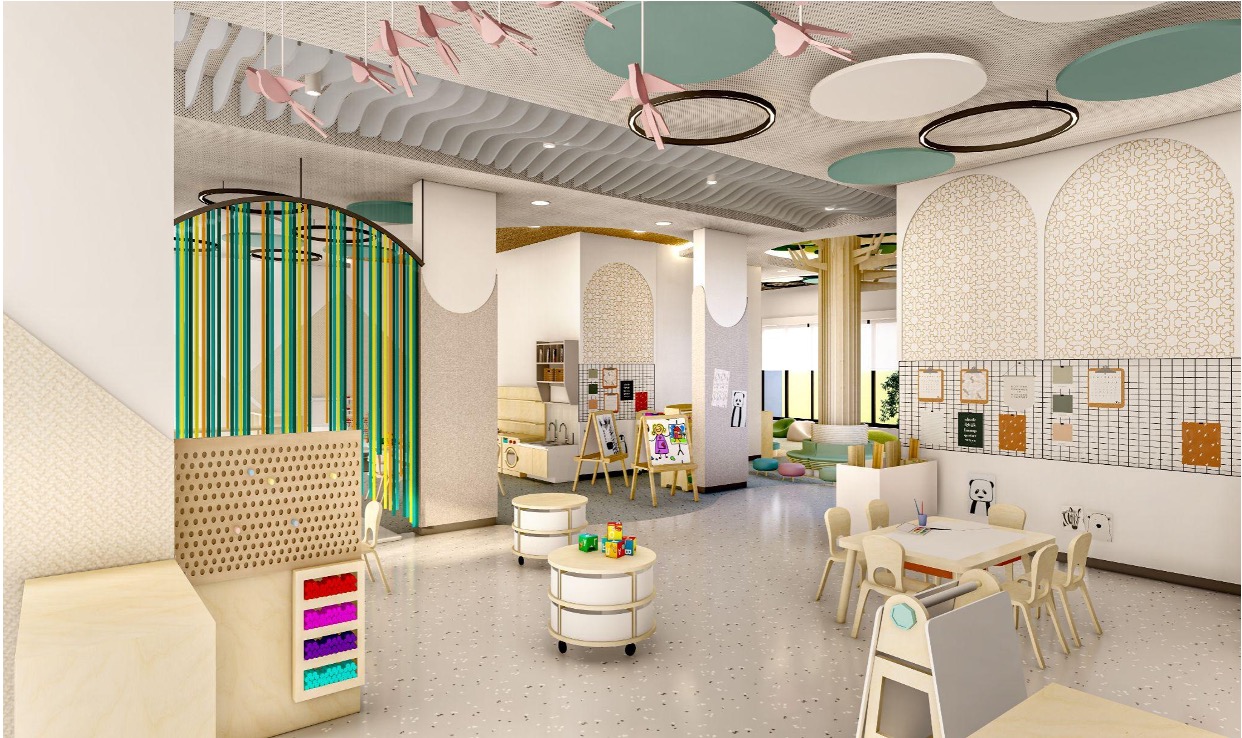
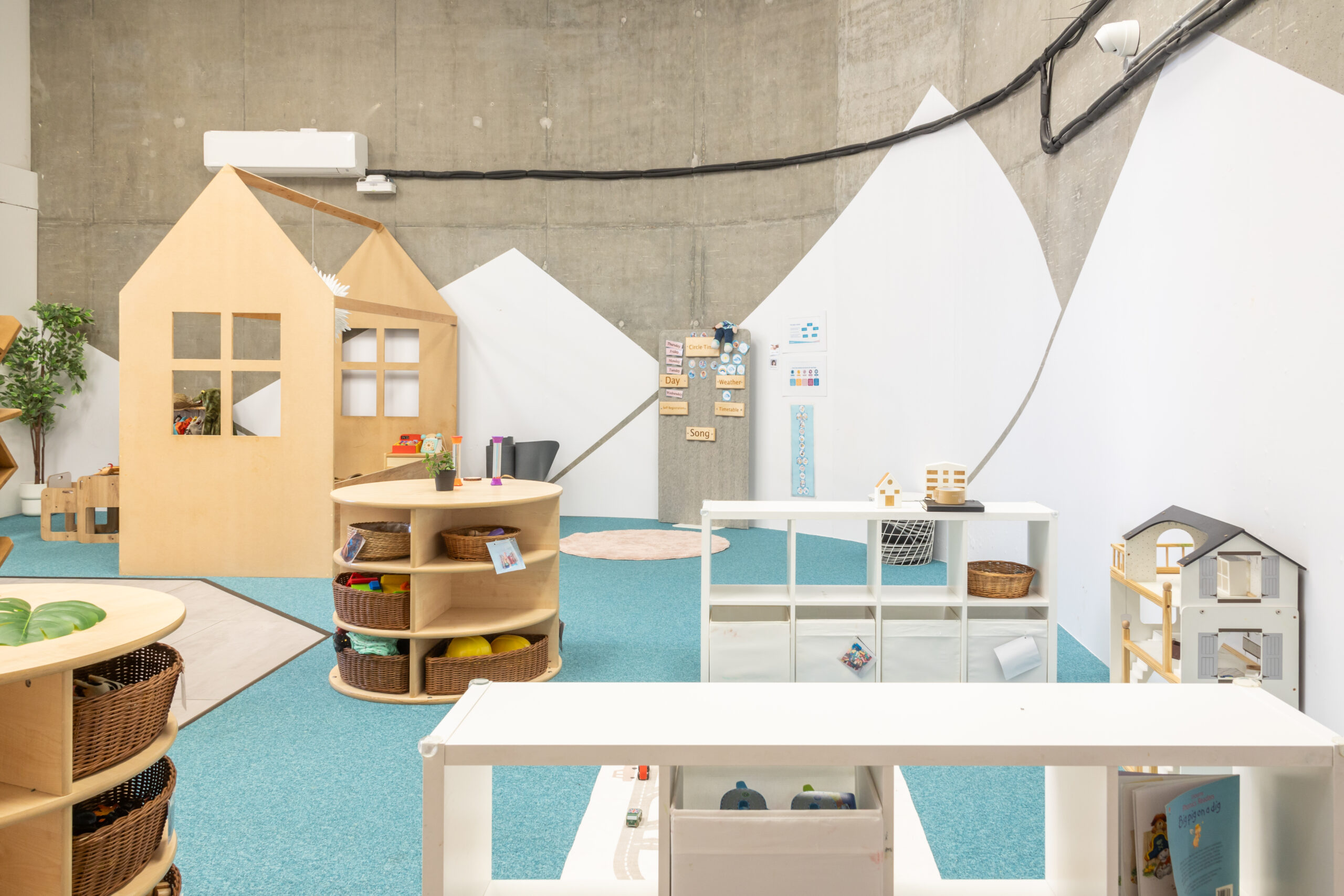
The future classroom is calm, flexible and designed around children’s comfort and how the learning space supports the pedagogy. Schools now pay close attention to soft lighting, natural materials, open play areas and quiet corners. These elements support wellbeing and life skills, help children regulate emotions and encourage positive behaviour.
Growing multicultural integration in international school settings
The UAE brings together families from all over the world. Schools must offer inclusive environments where all cultural backgrounds feel respected and represented. This strengthens social and emotional development and builds stronger school communities.

Innovations transforming early childhood education in the UAE
Developmental learning linked to key milestones
Preschools and nurseries are rethinking how young children learn. Instead of traditional subjects, they use project and phenomenon-based learning with developmental areas that support natural growth. Teachers observe key milestones, encourage creativity and help children express their ideas.
The FinlandWay’s seven learning areas ensure that children develop communication skills, early logic, problem-solving abilities, creativity, movement, self-care and emotional understanding:
- Language and literacy
- Mathematical thinking
- Environmental awareness, science and technology
- Creative development
- Physical development
- Wellbeing and life skills
- Social and emotional development
Flexible learning spaces in preschools and nurseries
Early childhood centres now design their spaces to encourage movement, independence and decision-making. This includes:
- Different playcorners, such as roleplay and constructions play areas
- Quiet reading areas
- Sensory exploration zones
- Outdoor play areas
- Spaces for small-group collaboration
These environments support children in forming positive habits and reaching learning objectives at their own pace.
Data snapshot, What UAE families are prioritising for 2026
📊 Table: UAE parent priorities for future-ready international school systems
| Parent priority | Percentage |
| Emotional wellbeing and safety | 82% |
| Balanced technology use | 74% |
| Better teacher qualifications | 88% |
| Play-based early foundations | 69% |
| Personalised learning | 71% |
Parents clearly want schools that balance innovation with wellbeing, placing children’s happiness at the centre.
Comparing traditional and future-ready international preschools
Key differences at a glance
| Feature | Traditional school | Future-ready international school |
| Learning style | Teacher-led | Child-centred learning |
| Technology | Limited use | Meaningful digital integration |
| Assessment | Tests and worksheets | Observation and individual next steps |
| Classroom design | Fixed and structured | Flexible, allows movement |
| Skill focus | Academic-only | Balanced whole-child development |
These differences explain why families increasingly choose schools that offer flexibility, creativity and calm learning spaces.
How these trends support UAE national goals and family expectations
Preparing children for innovation-focused futures
The UAE’s long-term vision places great emphasis on creativity, digital awareness and global citizenship. International schools play an important role in helping children build these early foundations through engaging day-to-day experiences.
Strengthening wellbeing and life skills from early childhood
Learning environments designed to support wellbeing help children feel secure and ready to explore. Daily routines, strong relationships and child-led activities contribute to the development of confidence and independence.
What international preschools must prioritise before 2026
Essential elements of high-quality practice
To stay competitive and meet family expectations, schools will focus on:
- Continuous teacher development
- Flexible, child-centred environments
- Emotional and physical safety
- Family engagement and communication
- Clear, age-appropriate learning objectives
- Balanced digital integration
These elements set the foundation for meaningful international education UAE in the years ahead.
How UAE families can choose the right international preschool
Key questions parents should ask
When visiting a school, families can ask:
- How do teachers support social and emotional development?
- How do you observe learning progress without pressure?
- What does the daily routine look like?
- How do you integrate technology responsibly?
- What does the learning environment look like?
- How do you communicate with families?
These questions help parents identify schools that prioritise wellbeing, creativity and balanced development.
FAQs about the future of international education in the UAE
- What defines a future-ready international school?
A focus on child-centred learning, wellbeing, meaningful technology and flexible environments. - Will smart schools Dubai change learning?
Yes, when used carefully, digital tools make learning more interactive and help teachers observe progress. - How do early childhood centres prepare children for long-term education?
By building strong foundations across the seven learning areas and supporting key milestones. - Is international education UAE aligned with global standards?
Yes, the UAE regularly reviews international research and collaborates with global experts. - Will innovation increase pressure on children?
No, modern approaches aim to reduce pressure and help children learn through curiosity and calm routines.
Conclusion
The UAE is redefining what a high-quality international school experience looks like. With stronger attention to wellbeing, creativity, teacher development and technology, the future of education promises more supportive and engaging environments for children. As families continue to prioritise balance and meaningful development, the innovations shaping 2026 will help schools create brighter beginnings for every child.