
The early years of a child’s life are a time of rapid growth, curiosity, and discovery. Between the ages of two and five, children develop the foundations for learning, behaviour, and emotional well-being. This is where a nursery school plays a vital role.
High-quality nursery school programs are designed to support childhood development in a balanced and nurturing way. Rather than focusing only on academics, the best programs help children build confidence, communication skills, independence, and a love for learning. For parents, choosing the right nursery school is one of the most important decisions they will make during these formative years.
Education partners such as FinlandWay Schools work closely with nursery schools to design programmes that are child-centred, play-based, and aligned with international best practices.
Understanding early childhood development in nursery school years
What is early childhood development?
Early childhood development describes the physical, cognitive, emotional, and social growth that happens in a child’s earliest years. During this time, children gradually build their language and communication abilities, learn to recognise and manage their emotions, strengthen their motor skills and coordination, and develop social interaction and empathy. A well-structured nursery school environment supports all of these areas in an age-appropriate and holistic way.
Why nursery school plays a critical role
A nursery school provides more than supervision. It offers structure, routine, and meaningful interaction with trained educators and peers. Through guided play and daily activities, children learn how to express themselves, solve problems, and cooperate with others.
What defines a high-quality nursery school program
Curriculum designed for childhood development
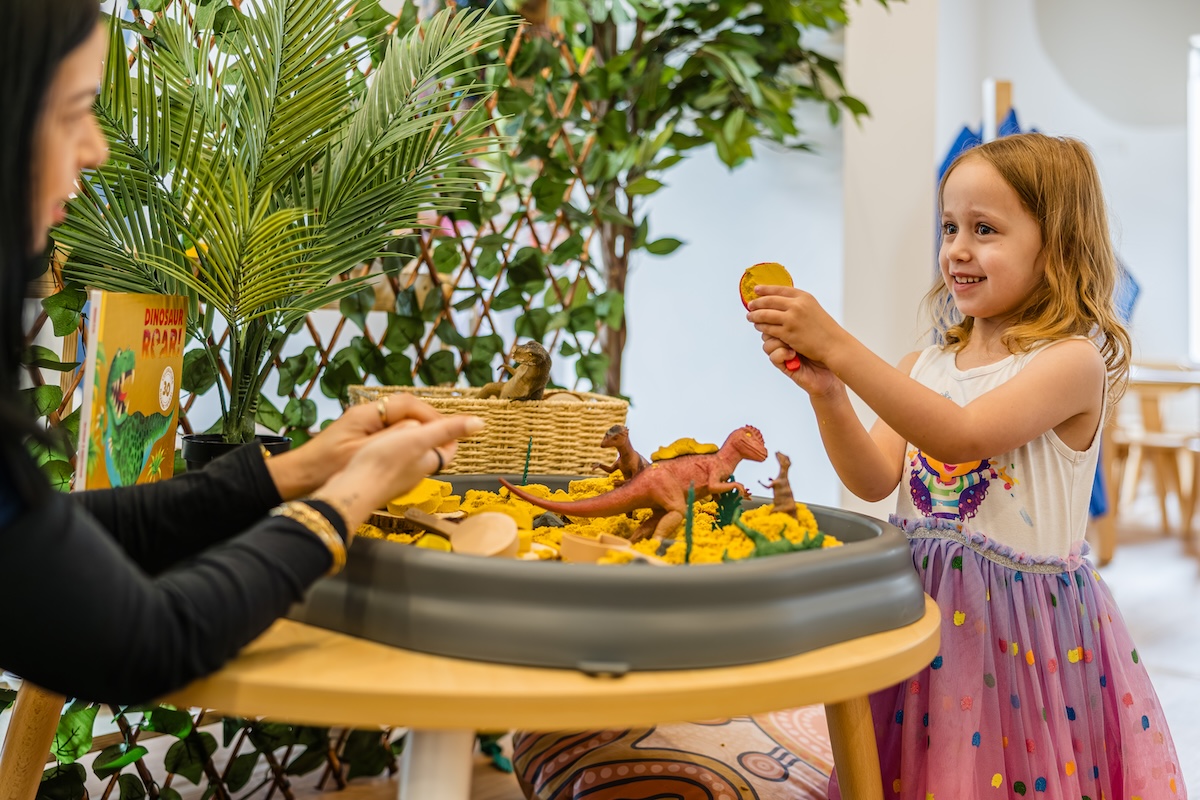
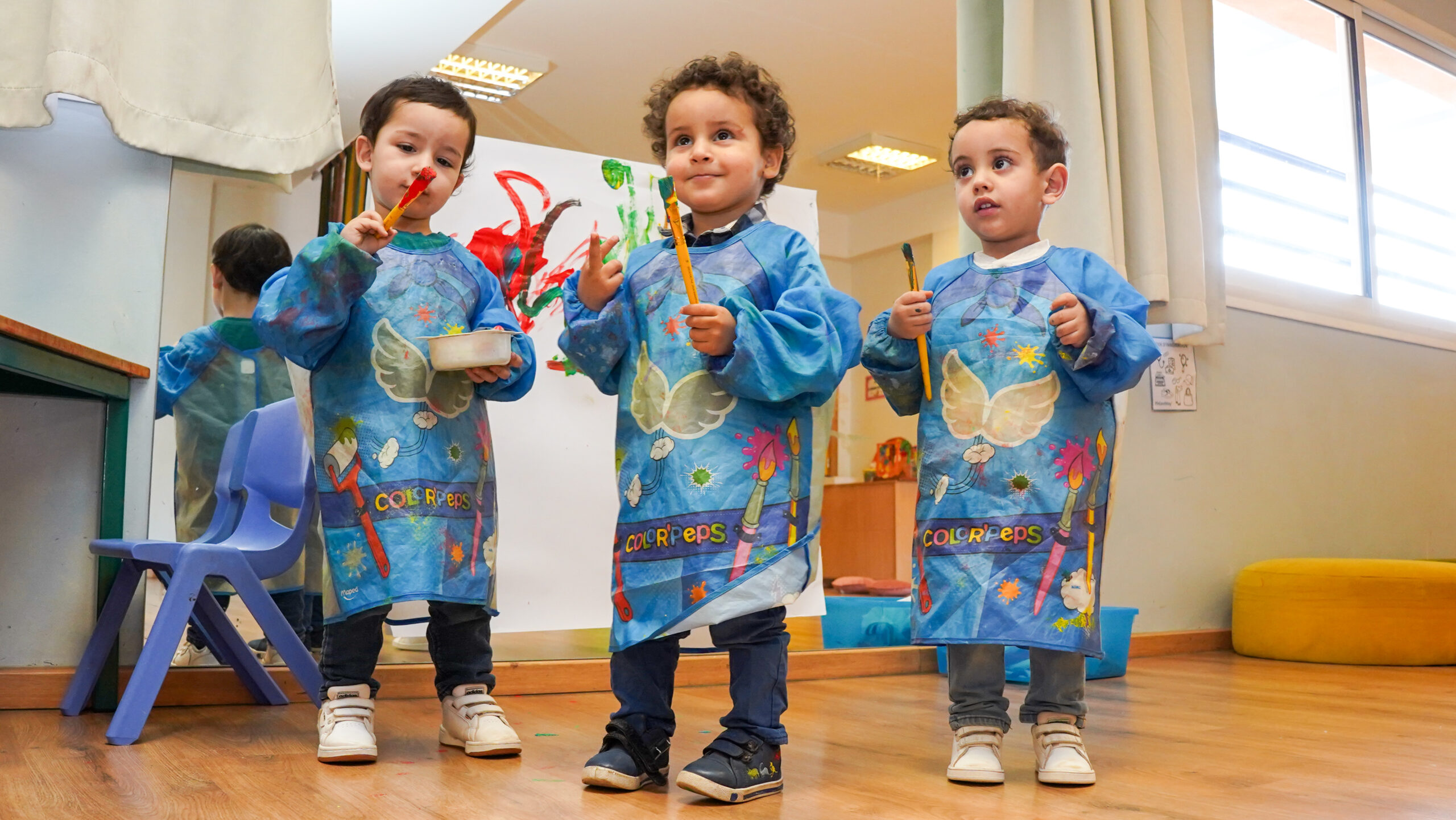
High-quality nursery school curricula are built around play-based and experiential learning, where children learn through doing, exploring, and discovering. Activities are designed to spark curiosity rather than focus on memorisation. Through hands-on experiences, storytelling, music and movement, and creative play, children are supported in their natural development while staying engaged and motivated.
Emotional well-being and social skills
Emotional safety is a foundation of early learning. A strong nursery school program supports children in building self-confidence, forming positive relationships, and learning how to express their emotions in healthy ways. These social and emotional skills are just as important as early literacy or numeracy, as they shape how children learn, interact, and grow.
Safe and stimulating learning environment
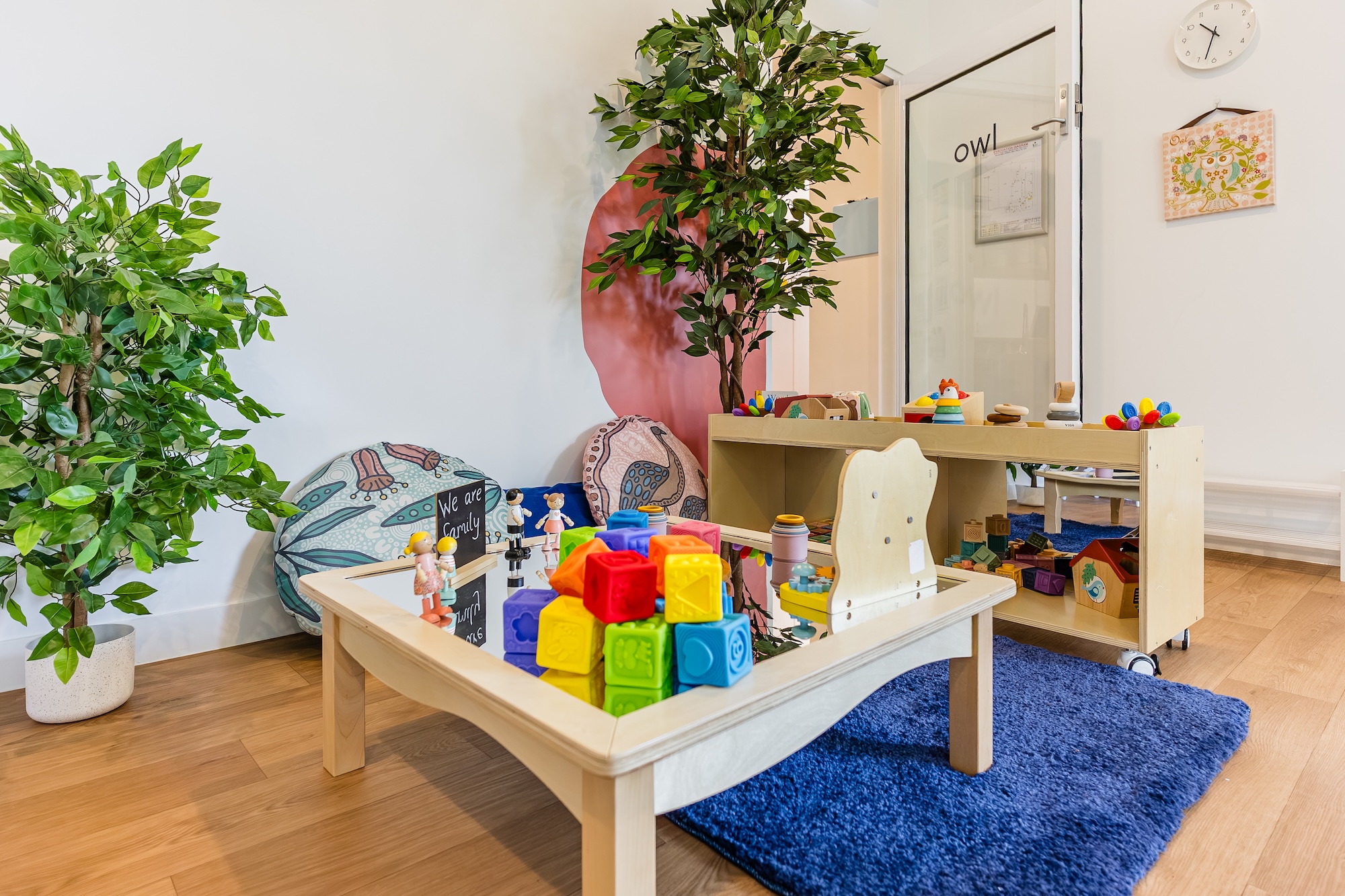
A quality nursery school offers welcoming, secure spaces adapted to young children’s needs.
Types of nursery school programs for early childhood development
Play-based nursery school programs
Play-based nursery school programs allow children to learn through exploration, imagination, and interaction. Learning happens naturally as children play, ask questions, and test their ideas. This approach supports both early academic skills and emotional development.
FinlandWay explores this in more detail in its article on play-based learning in early childhood education.
Read more 👉 https://finlandwayschools.com/blog/play-based-learning-early-childhood-education/
Montessori-inspired nursery school programs
Montessori-inspired programs focus on child-led activities within carefully prepared environments. Children are encouraged to choose their work, develop independence, and build concentration at their own pace.
International and holistic nursery school models
International nursery school models place strong emphasis on wellbeing, creativity, and balanced development. These programs often combine global educational research with local cultural values, supporting the whole child in a broad and meaningful way.
How nursery school programs support childhood development milestones
Cognitive development
Through games, stories, and simple problem-solving activities, nursery school programs support the development of early thinking and language skills. Children learn to observe their surroundings, ask questions, and make connections between ideas.
Social and emotional development
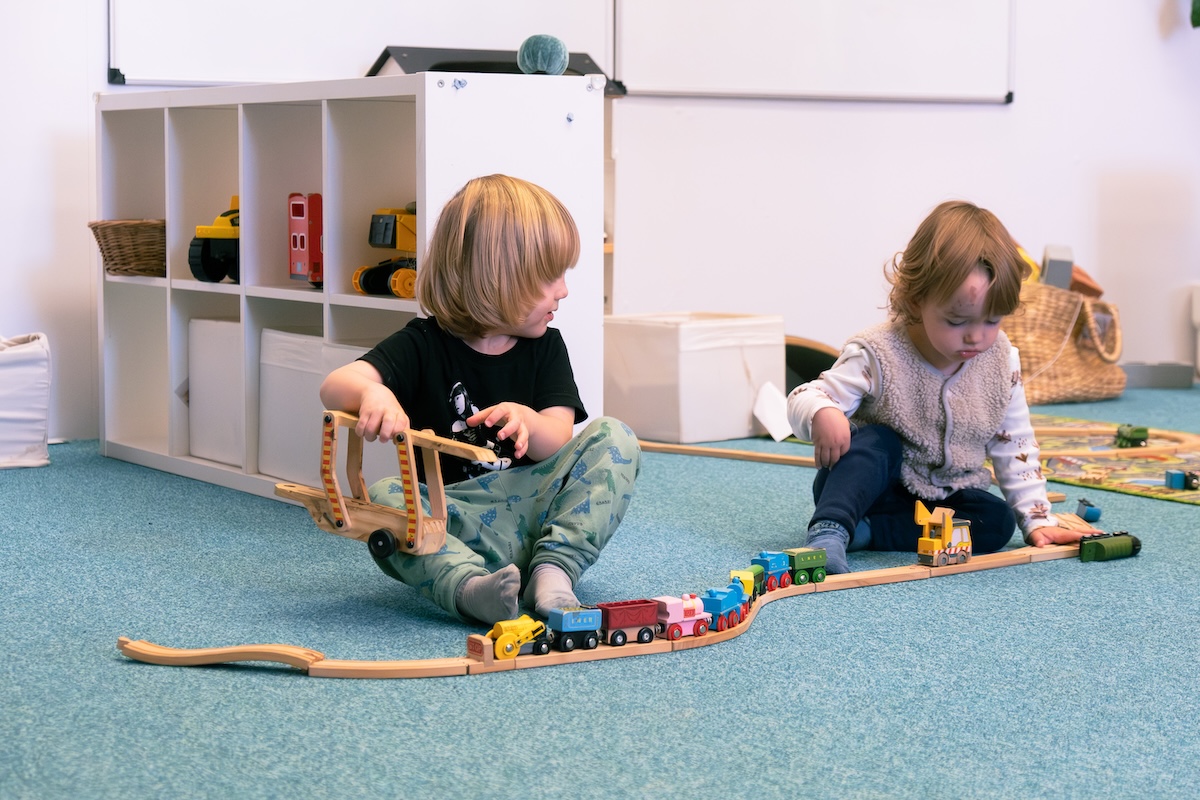
Daily interaction with peers helps children practise cooperation, develop empathy, and learn to manage their emotions. These everyday experiences build a strong foundation for future learning and social relationships.
Physical development
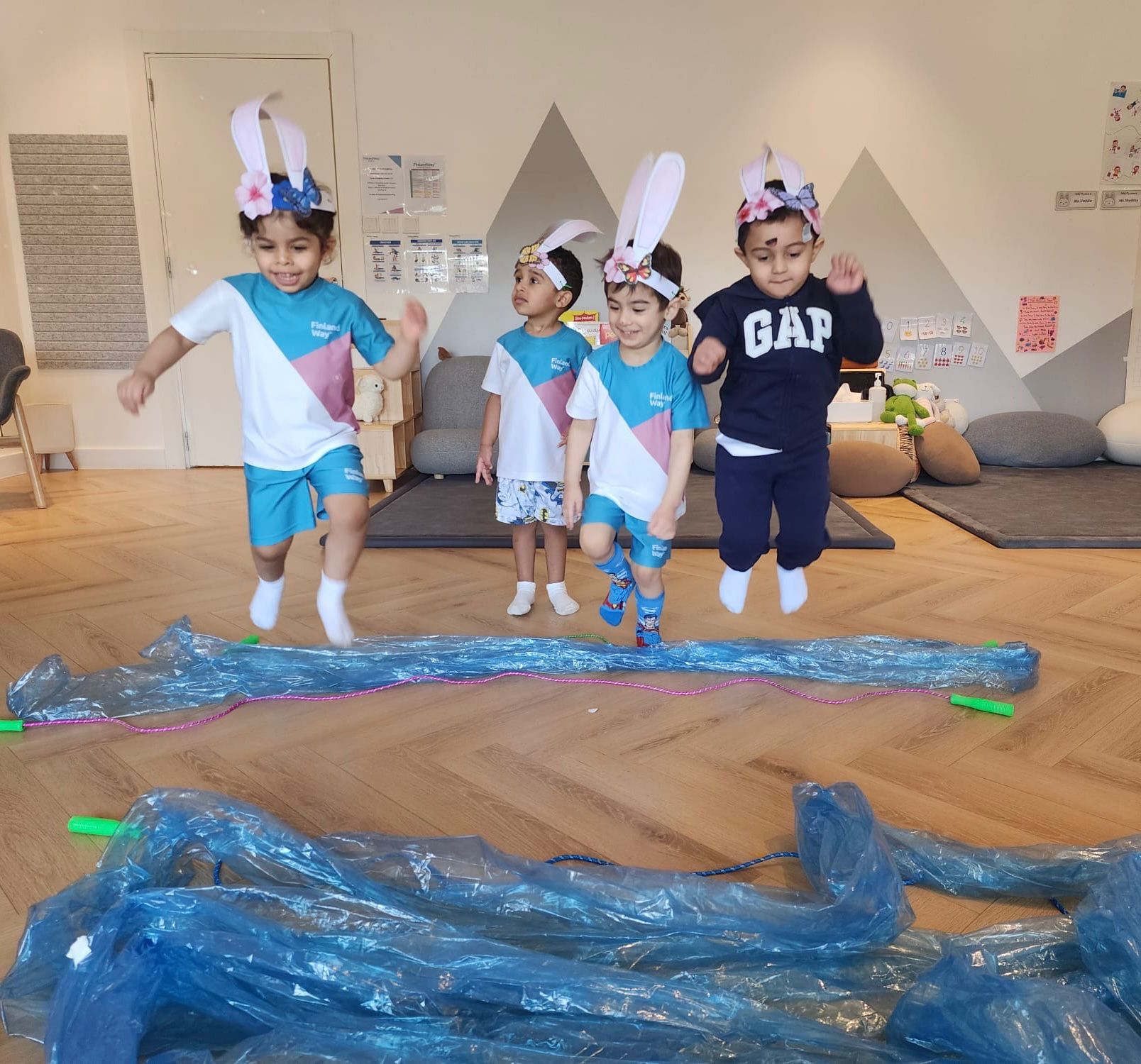
Nursery school activities support both fine and gross motor skills through drawing and crafting, outdoor play, and movement and coordination games. This helps children build strength, control, and confidence in using their bodies.
The role of teachers in nursery school programs
Importance of qualified early years educators
Teachers are at the heart of every successful nursery school. Skilled educators understand child development and know how to guide learning without pressure.
A strong nursery school program values:
- Positive teacher-child relationships
- Observation-based guidance
- Individual attention
Ongoing training and professional development
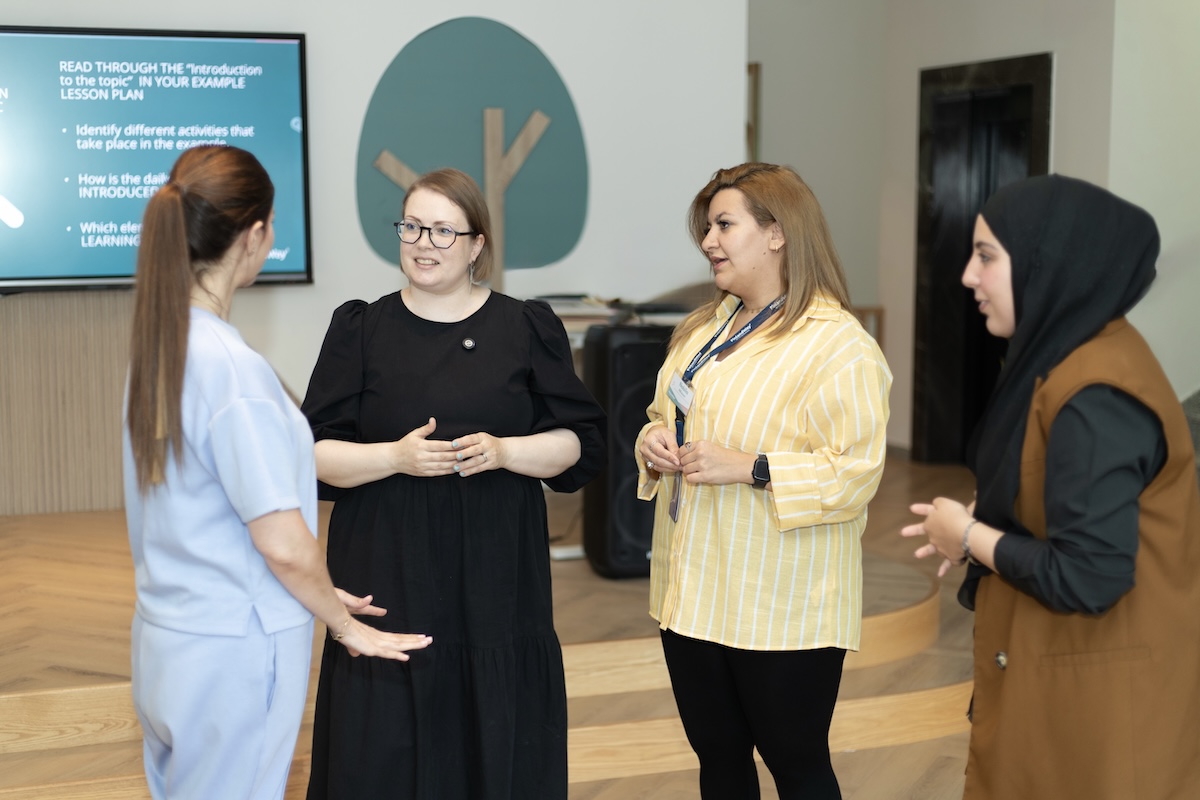
High-quality nursery schools invest in continuous teacher development. FinlandWay supports schools through structured teacher training and pedagogical guidance, helping educators apply play-based and child-centred approaches effectively.
👉 https://finlandwayschools.com/
How parents can choose the right nursery school program
What to look for during school visits
When visiting a nursery school, parents should observe:
- How children and teachers interact with each other
- Whether learning feels joyful and calm
- How classrooms are organised
Questions parents should ask nursery schools
Useful questions include:
- How does the program support childhood development?
- How are children’s progress and well-being monitored?
- What training do teachers receive?
Nursery school programs and long-term benefits for children
School readiness and confidence
Children who attend quality nursery school programs often transition more smoothly into primary education. They are familiar with routines, group learning, and self-expression.
Lifelong learning skills
Early exposure to positive learning environments helps children develop curiosity, independence, and resilience—skills that support lifelong learning.
According to UNICEF, early childhood education plays a crucial role in shaping long-term educational and social outcomes.
👉 https://www.unicef.org/early-childhood-development
How FinlandWay supports nursery school programs
Curriculum and pedagogy support
FinlandWay works closely with nursery schools to implement Finland-inspired, play-based learning models that prioritise children’s wellbeing and balanced development. The curriculum approach is holistic, supporting cognitive, social, emotional, and physical development in an age-appropriate way. Learning is organised around meaningful themes, hands-on activities, and children’s interests, ensuring that experiences are engaging, purposeful, and connected to real life. FinlandWay also supports schools in adapting the curriculum to their local context while maintaining strong pedagogical quality.
Teacher training and school development services
High-quality early childhood education depends on well-trained educators. FinlandWay provides professional training, coaching, and ongoing support to help teachers strengthen their pedagogical skills and understanding of child development. Training focuses on play-based learning, observation and documentation, inclusive practices, and creating supportive learning environments.
In addition, FinlandWay offers school development services, including learning environment design, quality audits, and leadership support. These services help nursery schools build consistent practices and maintain high standards aligned with international early childhood education principles.
🔗 Learn more about FinlandWay’s services:
👉 https://finlandwayschools.com/
Data insights: why quality nursery school programs matter
Research from leading education institutions consistently shows that children who attend high-quality nursery school programs benefit academically and socially in later years.
- Harvard Graduate School of Education highlights the long-term impact of early learning experiences
- World Economic Forum emphasises early education as a key driver of future skills
Common mistakes to avoid when selecting a nursery school
- Choosing programs that focus only on academics
- Overlooking emotional wellbeing and play
- Ignoring teacher qualifications and training
Frequently asked questions about nursery school programs
At what age should a child start nursery school?
Most children begin nursery school between the ages of two and three, depending on readiness.
How does nursery school support childhood development?
Nursery school programs support cognitive, emotional, social, and physical development through structured play and interaction.
Is play-based learning effective in nursery school?
Yes, research shows that play-based learning supports deeper understanding and long-term skill development.
How many hours should a child attend nursery school?
This varies by age and individual needs, but shorter, consistent sessions are often recommended.
What makes a nursery school program high-quality?
A strong curriculum, trained teachers, safe environments, and a focus on wellbeing.
Conclusion: choosing the best nursery school program for your child
Choosing the right nursery school is about more than academics. The best programs support childhood development in a holistic, joyful, and nurturing way. By focusing on play-based learning, emotional well-being, and qualified educators, parents can give their children a strong foundation for lifelong learning.
With expert support from organisations like FinlandWay Schools, nursery schools can deliver high-quality programs that truly meet the needs of young learners and their families.