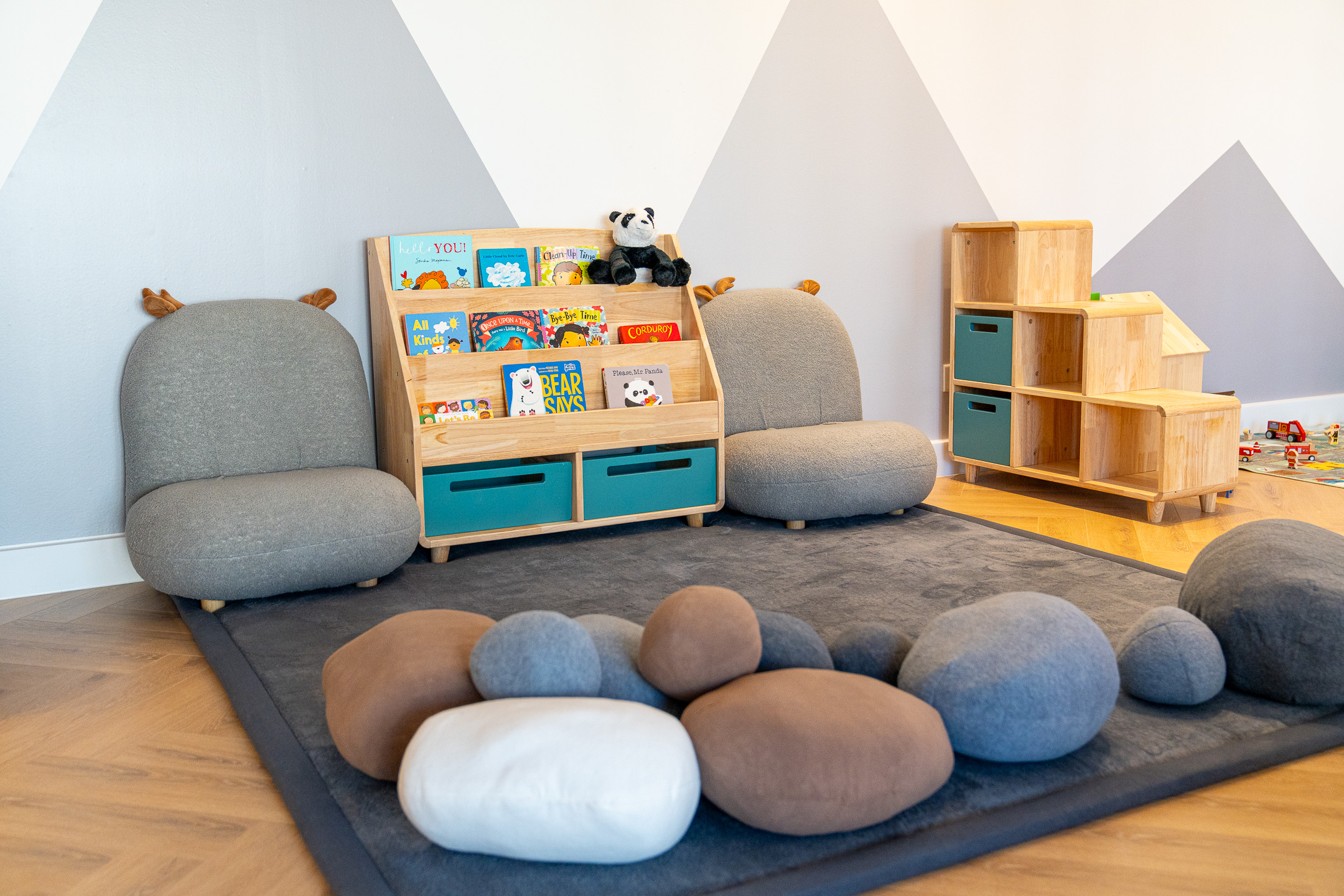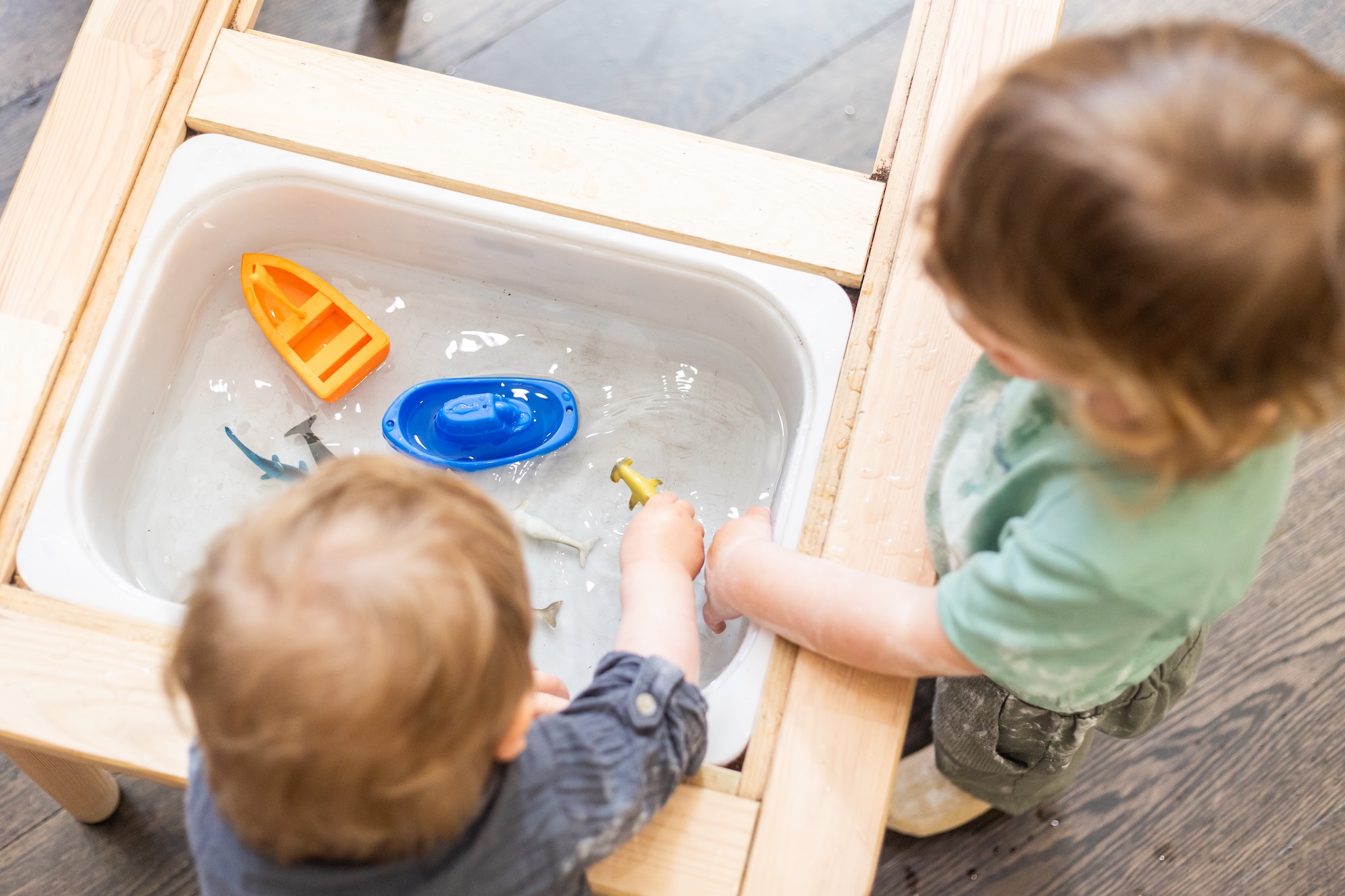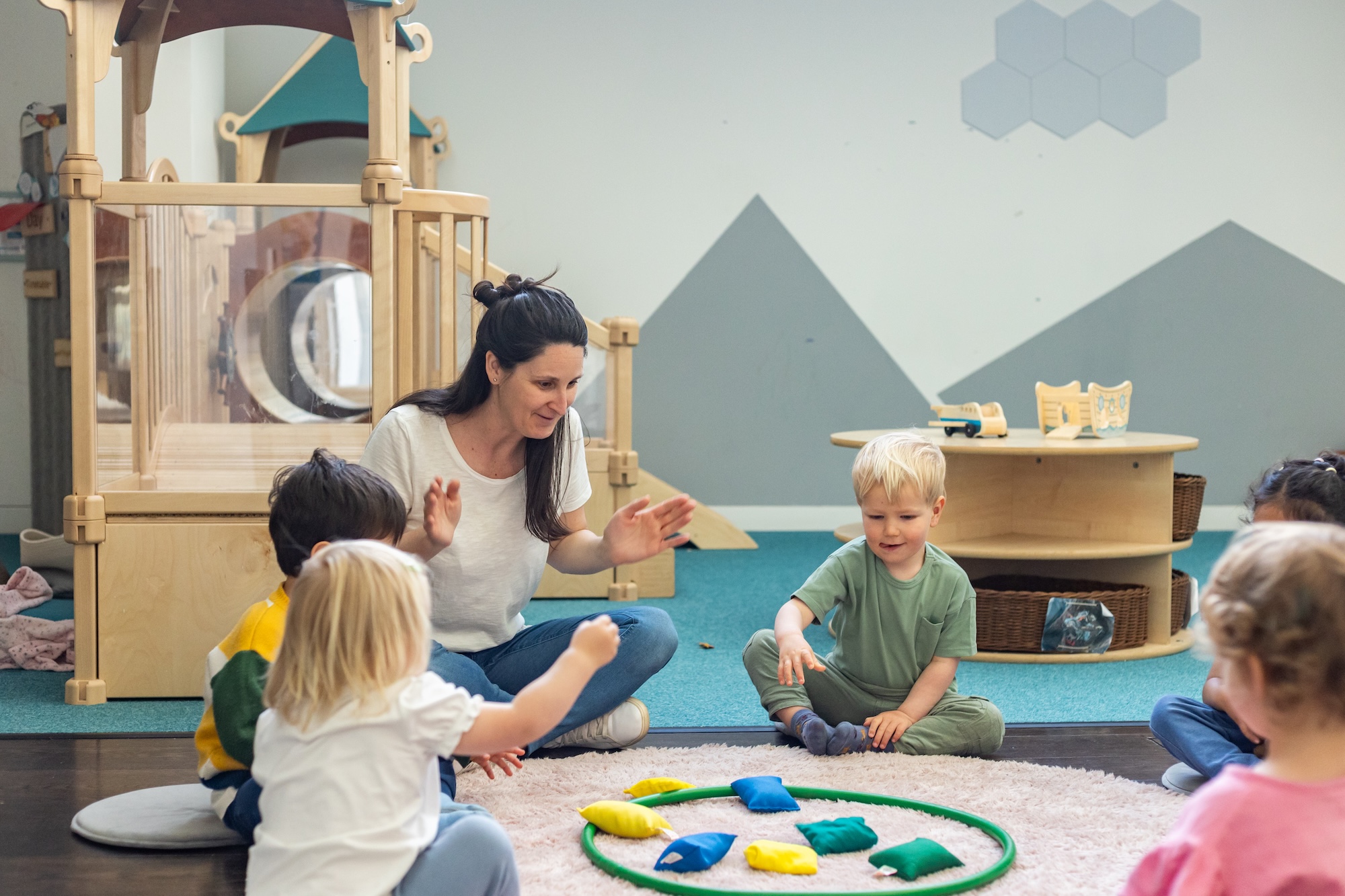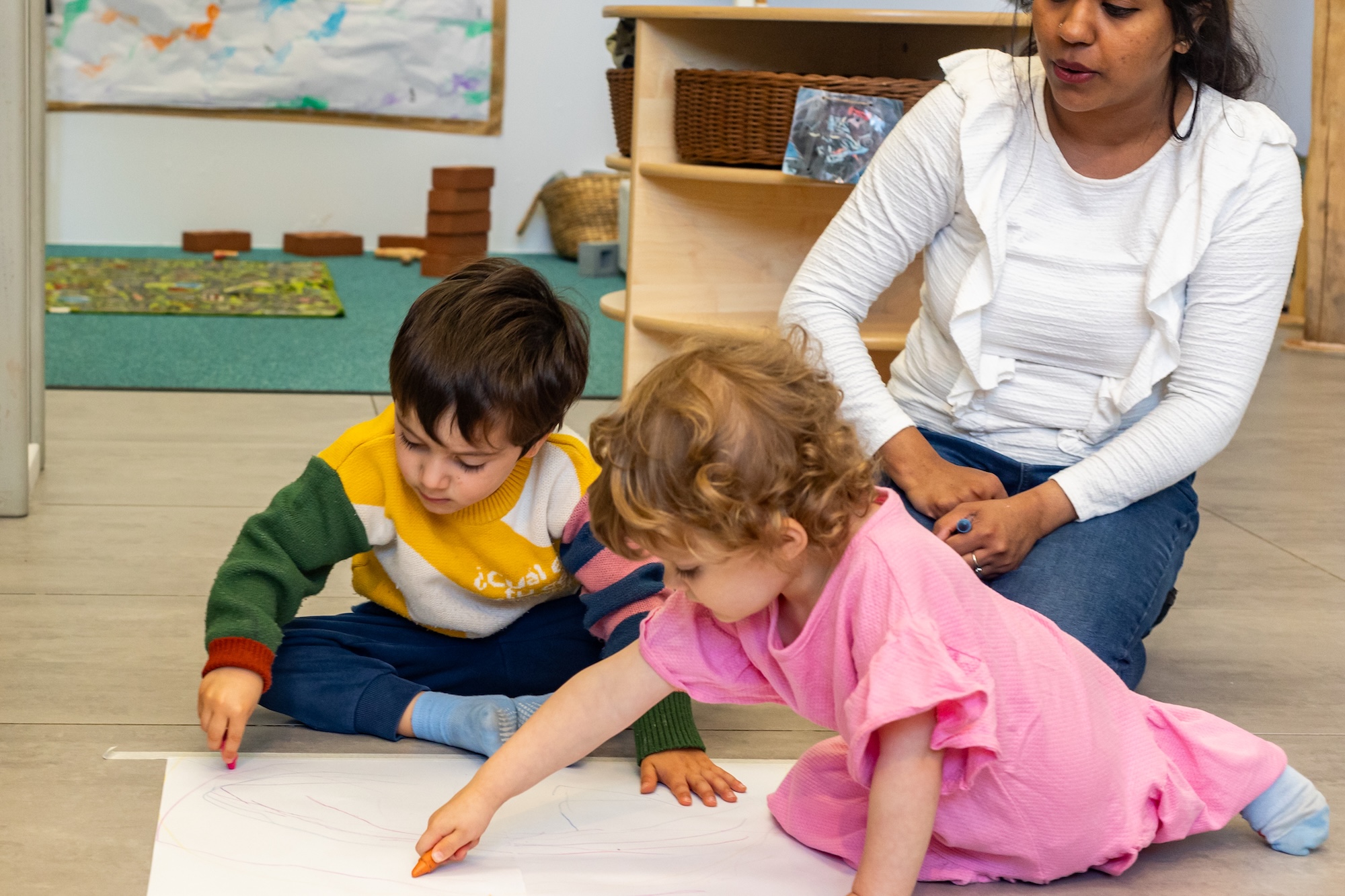

The Finland early years model is one of the most powerful differentiators available to school owners and operators in 2026. In markets across the Gulf, MENA, and South Asia, the competition for quality-conscious parents is intensifying — and the Finland early years model for schools gives operators a proven, internationally credentialed framework that commands premium fees, drives enrolment, and builds the kind of reputation that sustains a school over the long term.
This guide makes the commercial case for adopting the Finland early years model. It is written for school owners, operators, and investors who understand that pedagogy and profitability are not in tension. Contrary, the right educational model is the most powerful business decision you can make.
| Related: For the full curriculum adoption process, see adopting the Finland curriculum in your school: a guide for principals |
Why the Finland early years model is a commercial differentiator for schools
The Finland early years model has earned its global reputation through results. Finland consistently ranks among the world’s top education systems, and its early childhood education and care framework, the foundation of the FinlandWay® curriculum, is recognised by UNESCO, the OECD, and education ministries worldwide as a benchmark for quality.
For school owners and operators, this international recognition translates directly into commercial advantage. In aspirational markets where parents are increasingly research-driven, the Finland early years model provides a credential that no proprietary curriculum can replicate, because it is not a brand, it is a national education system with a thirty-year evidence base.
The commercial implications are straightforward:
- Parents actively seek out the Finland early years model driving inbound enquiries without paid marketing
- The model justifies a fee premium that generic early years schools cannot command
- Families who understand and believe in the model stay longer and refer more
- Staff are attracted to schools with a credible, internationally recognised pedagogical framework
- The model provides a scalable foundation for school expansion and franchise development
The four revenue drivers the Finland early years model activates
Understanding how the Finland early years model drives revenue is essential for school owners making investment decisions. The model activates four distinct revenue mechanisms that work together to build a financially sustainable school
| Revenue driver | How the Finland early years model activates it | Commercial impact |
|---|---|---|
| 1 Premium fee positioning |
The international recognition of the Finland early years model allows schools to position at the premium end of the fee scale. Parents associate Finland with quality and are willing to pay for it. | Higher revenue per enrolled child from day one. In Gulf markets, Finland-model schools typically command fees 30–50% above the market average. |
| 2 Faster enrolment fill rate |
A known, credible brand drives parent enquiries before a school opens. The Finland model generates word-of-mouth and referral-based enrolment that reduces dependence on paid marketing. | Shorter time to full capacity. Schools with a recognised curriculum brand typically reach 80% capacity significantly faster than schools with proprietary or unknown curricula. |
| 3 Higher parent retention |
Parents who understand and are engaged with the Finland early years model stay significantly longer than parents who chose a school primarily on location or price. | Lower annual re-enrolment cost. A 10% improvement in retention rate has a compounding effect on revenue that typically exceeds the cost of implementing the model. |
| 4 Reduced staff turnover |
Teachers who work within a coherent, evidence-based framework experience higher job satisfaction and are more likely to stay. Staff continuity improves quality, which improves retention. | Lower recruitment and training cost. Staff turnover is one of the most significant hidden costs in early years school management. |
How the Finland early years model compares to competing approaches
School owners evaluating the Finland early years model typically compare it against three alternatives: a proprietary curriculum developed in-house, a competing international model such as Montessori or British curriculum, or no defined curriculum framework at all. Here is how the Finland early years model performs across the dimensions that matter most commercially.
| Dimension | Finland early years model (FinlandWay®) | Montessori | British curriculum | Proprietary / no framework |
|---|---|---|---|---|
| International recognition | Highest — national system ranked globally | Strong — well-known brand | Strong in Commonwealth markets | None |
| Parent fee premium | High in Gulf, MENA, South Asia | Moderate — well understood by some | Moderate — market-dependent | Low |
| Scalability | Designed for multi-site replication | Scalable with certified teachers | Scalable within British system markets | Very limited |
| Staff training investment | Structured, included in onboarding | High — Montessori certification required | Moderate | Self-managed |
| Evidence base | 30+ years, OECD-validated | 100+ years, strong evidence base | Well established | None or limited |
| Market differentiation | Strong in aspirational, internationally-aware markets | Good where brand is known | Good in ex-British markets | Weak |
What the Finland early years model costs vs. what it generates
One of the most important questions for school owners evaluating the Finland early years model is: what is the return on the implementation investment? The honest answer requires looking at both sides of the equation.
The investment
- Curriculum licence fee: the cost of accessing the Finland early years model through the FinlandWay® schools programme
- Monthly support fee: The cost of accessing the the FinlandWay® schools’ CPD programme, quality management systems and KPIs and support
- Staff training: time invested in the pre-implementation and ongoing professional development for the teaching team
- Environment adaptation: physical changes to the learning environment to align with the Finland spatial framework
- Parent communication: time and materials investment in communicating the model to existing and prospective families
The return
- Fee premium: typically 20–50% above market average for comparable schools in Gulf and MENA markets
- Faster fill rate: reduced time to full capacity means earlier positive cash flow
- Higher retention: lower annual re-enrolment cost and more stable revenue
- Lower staff turnover: reduced recruitment, onboarding, and training costs
- Brand equity: the Finland early years model builds school reputation that compounds over time and supports expansion
For most school operators implementing the Finland early years model, the implementation investment is recovered within the first two-three years of operation through a combination of higher fees and improved retention alone.
How school owners are using the Finland early years model to scale
The Finland early years model is a scalable operating framework. School owners who have implemented the model successfully are using it as the foundation for multi-site expansion, curriculum licensing to other operators, and franchise development.
The scalability of the FinlandWay(r) early years model comes from three structural advantages:
- Replicability: the curriculum framework is fully documented and teachable. A second site can be opened with the same quality as the first because the model is explicit, not dependent on individual founder knowledge
- Brand transferability: the Finland early years model carries its international recognition across markets and geographies. A school in Riyadh and a school in Mumbai can both benefit from the same brand equity
- Operational systemisation: the FinlandWay® implementation framework includes operational systems — environment design, staff training, parent communication, quality assurance — that can be replicated site by site
For the full franchise and investment case, see FinlandWay® preschool franchise: the complete investment guide
The evidence: what outcomes does the Finland early years model deliver?
The commercial case for the Finland early years model is underpinned by a substantial evidence base. School owners can be confident that the model delivers on its promises because the evidence is external, peer-reviewed, and validated across diverse cultural contexts.
Child development outcomes
- Children in Finland early years model settings consistently demonstrate stronger social-emotional development, intrinsic motivation, and school readiness than peers in traditionally structured early years environments (OECD Early Childhood Education and Care research programme)
- Longitudinal studies including the HighScope Perry Preschool Project show play-based early learners outperforming traditionally schooled peers in academic, social, and economic outcomes across a twenty-year follow-up period
School performance outcomes
- Schools implementing the Finland early years model report measurably higher staff satisfaction and retention rates
- Parent retention and referral rates are consistently higher in Finland-model schools than in comparable traditionally structured schools
- FinlandWay® school partners report higher parent net promoter scores after full curriculum implementation, with referrals as the primary driver of new enrolment
For the full evidence comparison, see Finland vs traditional schooling: an evidence-based comparison for school leaders
How to implement the Finland early years model in your school
Implementing the Finland early years model through FinlandWay® is a structured process designed to be thorough without being disruptive. The implementation journey covers five stages: discovery and assessment, agreement and planning, environment design, staff training, and full implementation with ongoing support and quality assurance at every stage.
The FinlandWay® schools team works with each operator to develop a school-specific implementation and development plan that reflects your intake age range, physical space, team capability, and market context. No two implementations are identical, but every implementation follows the same evidence-based framework.
For the complete implementation guide, see adopting the Finland curriculum in your school: a guide for principals
Build your business case for the Finland early years model
Request a curriculum demo from the FinlandWay® schools team. We will walk you through the commercial case, the implementation process, and what the Finland early years model looks like in a school like yours.
Frequently asked questions
What makes the FinlandWay® early years model different from other internationally recognised approaches?
The FinlandWay® early years model is unique in being based on a national education system — not a methodology invented by a franchise brand or an individual educator. This gives it a level of external credibility and international recognition that proprietary frameworks cannot replicate. It is validated by the OECD, implemented across Finland’s entire early years sector, and continuously updated based on the latest child development research.
Is the Finland early years model suitable for non-European cultural contexts?
Yes. The Finland early years model is built on universal principles of child development that apply across cultural contexts: play-based learning, holistic development, and child-led enquiry. FinlandWay® school partners operate successfully across the Gulf, MENA, and South Asia. The model is contextualised for each market without compromising its pedagogical integrity.
How quickly can a school implement the Finland early years model?
For most schools, the process from initial enquiry to full implementation takes four to six months. Operational school conversion can be done as fast as in two months. The FinlandWay® schools team develops a school-specific timeline based on your starting point, school size, and market context.
Can the Finland early years model be used as the basis for a franchise or multi-site expansion?
Yes. The Finland early years model is explicitly designed for replication and scale. FinlandWay® supports both curriculum licensing for individual schools and full franchise development for operators looking to build a multi-site early years business.
What is the difference between a FinlandWay® curriculum licence and a full franchise?
A curriculum licence allows an existing school to adopt the Finland early years model framework while retaining its own brand. A full FinlandWay® franchise involves operating under the FinlandWay® brand with the complete operational system. Both options are available — the right choice depends on your goals and context.