
Phenomenon-based learning is the most distinctive feature of the Finland early years curriculum — and one of the most frequently misunderstood. For FinlandWay® franchise partners and school operators implementing the curriculum for the first time, understanding what phenomenon-based learning in a franchise setting actually involves is essential to a successful roll-out. This guide sets out what phenomenon-based learning is, how it differs from conventional topic-based learning, and exactly how to implement it within the FinlandWay® franchise framework.
| Related: For the full curriculum overview, see Finland preschool curriculum: what it delivers for schools & operators → ADD LINK: /finland-preschool-curriculum-operators |
Phenomenon-based learning in a franchise setting: what it involves
Phenomenon-based learning is an approach to curriculum organisation in which children explore real-world topics, phenomena, through multiple disciplines simultaneously, rather than learning subjects in isolation. A phenomenon might be water, the seasons, the local community, or the built environment. Children explore the phenomenon through scientific observation, artistic expression, mathematical investigation, physical activity, and language development, all within a single thematic context.
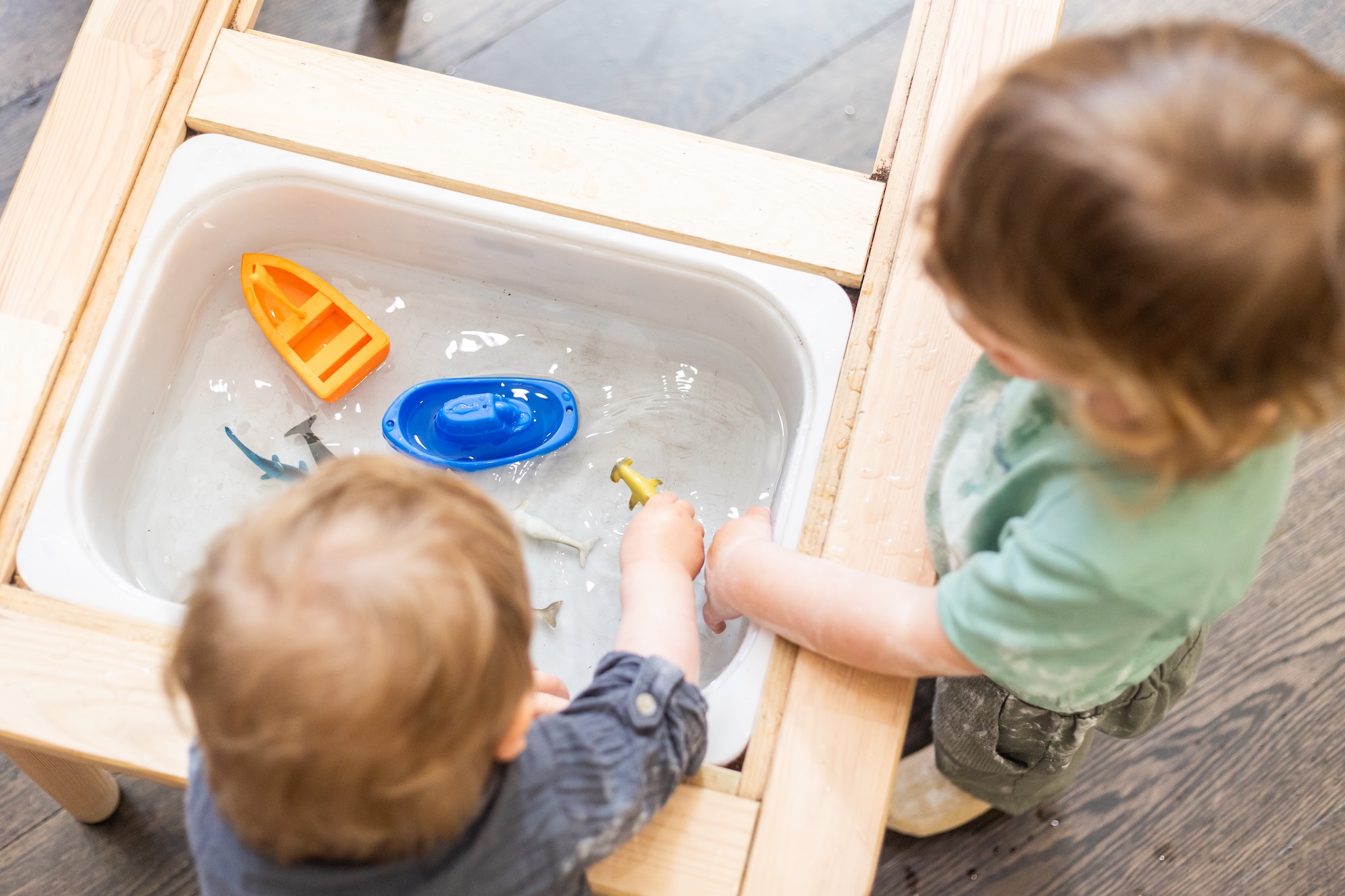
In a conventional school curriculum, a topic on water might involve a science lesson about the water cycle, a geography lesson about rivers, and an art project involving painting. In phenomenon-based learning, water is explored holistically and simultaneously across all domains; through sensory play, measurement, outdoor exploration, storytelling, drawing, and construction. This way of learning mirrors how children naturally encounter and understand the world.
For franchise partners and operators, the distinction matters commercially because phenomenon-based learning produces:
- Highly visible, documentable learning projects that communicate curriculum quality to parents and regulators
- Cross-disciplinary learning evidence that demonstrates the school’s curriculum depth and teacher skill
- Parent-facing projects and exhibitions that build engagement, understanding, and advocacy
- A distinctive, memorable school experience that children talk about at home, generating the organic word-of-mouth that drives enrolment
How phenomenon-based learning is structured in the FinlandWay® franchise
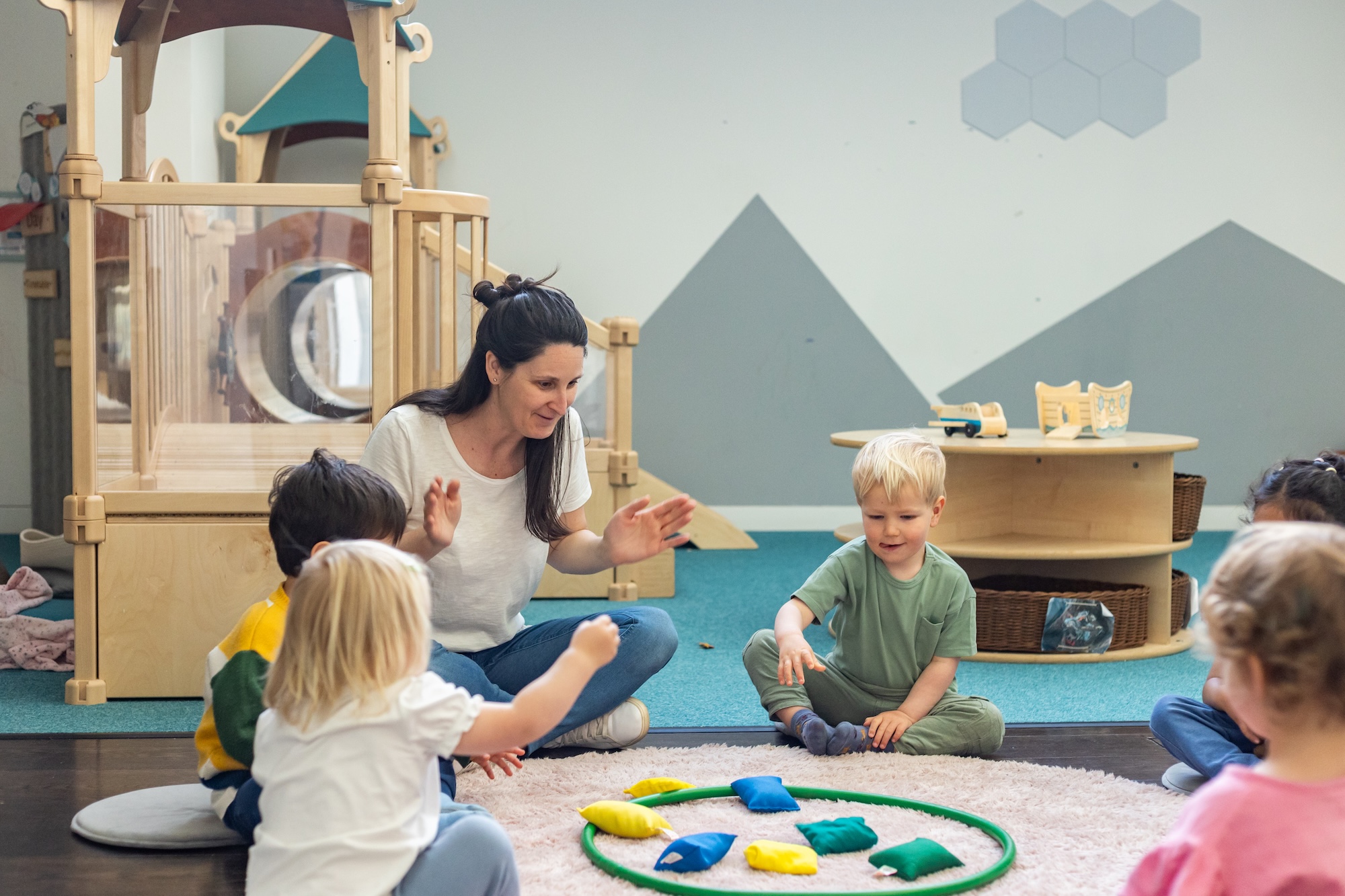
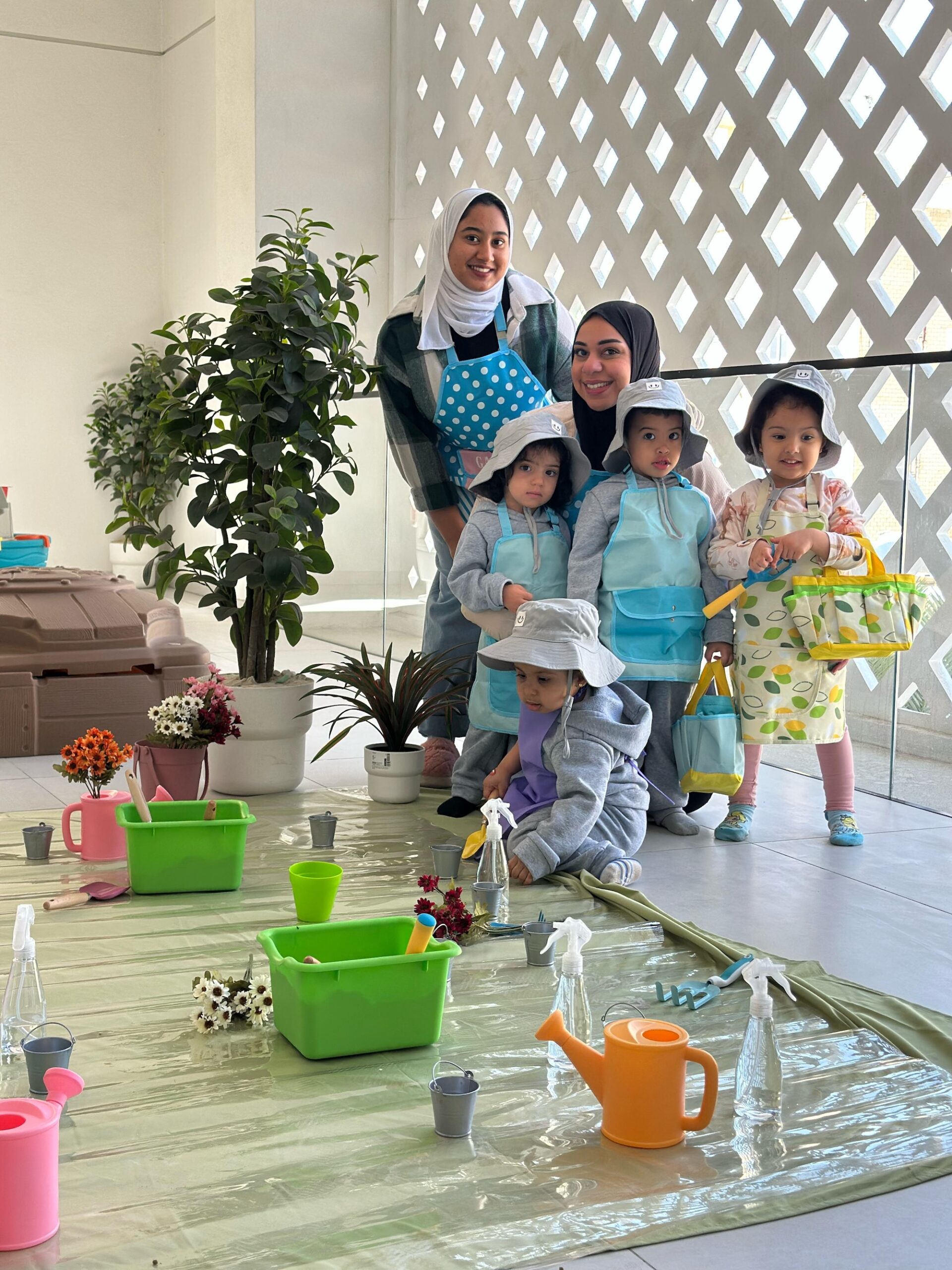
In the FinlandWay® curriculum, phenomenon-based learning runs across all age groups — from Nursery (10 months–2 years) through to Preschool 2 (5–6 years). The same phenomena are explored by all children, but the depth, complexity, and mode of engagement evolve with each stage. A Nursery child might experience a phenomenon on water through sensory play and physical exploration; a Preschool 2 child will investigate the same theme through structured enquiry, collaborative construction, and reflective discussion.
The phenomenon cycle
Each phenomenon follows a four-stage learning cycle:
| Stage | What happens |
|---|---|
| Wonder | Children are introduced to the phenomenon through a provocation: a carefully chosen object, event, question, or experience that sparks curiosity and generates questions. |
| Explore | Children investigate the phenomenon across multiple domains and activity types. The teacher facilitates, observes, and extends. Learning is documented throughout. |
| Connect | Children connect their discoveries to prior learning and to the wider world. Discussion, reflection, and collaborative projects bring the learning together. |
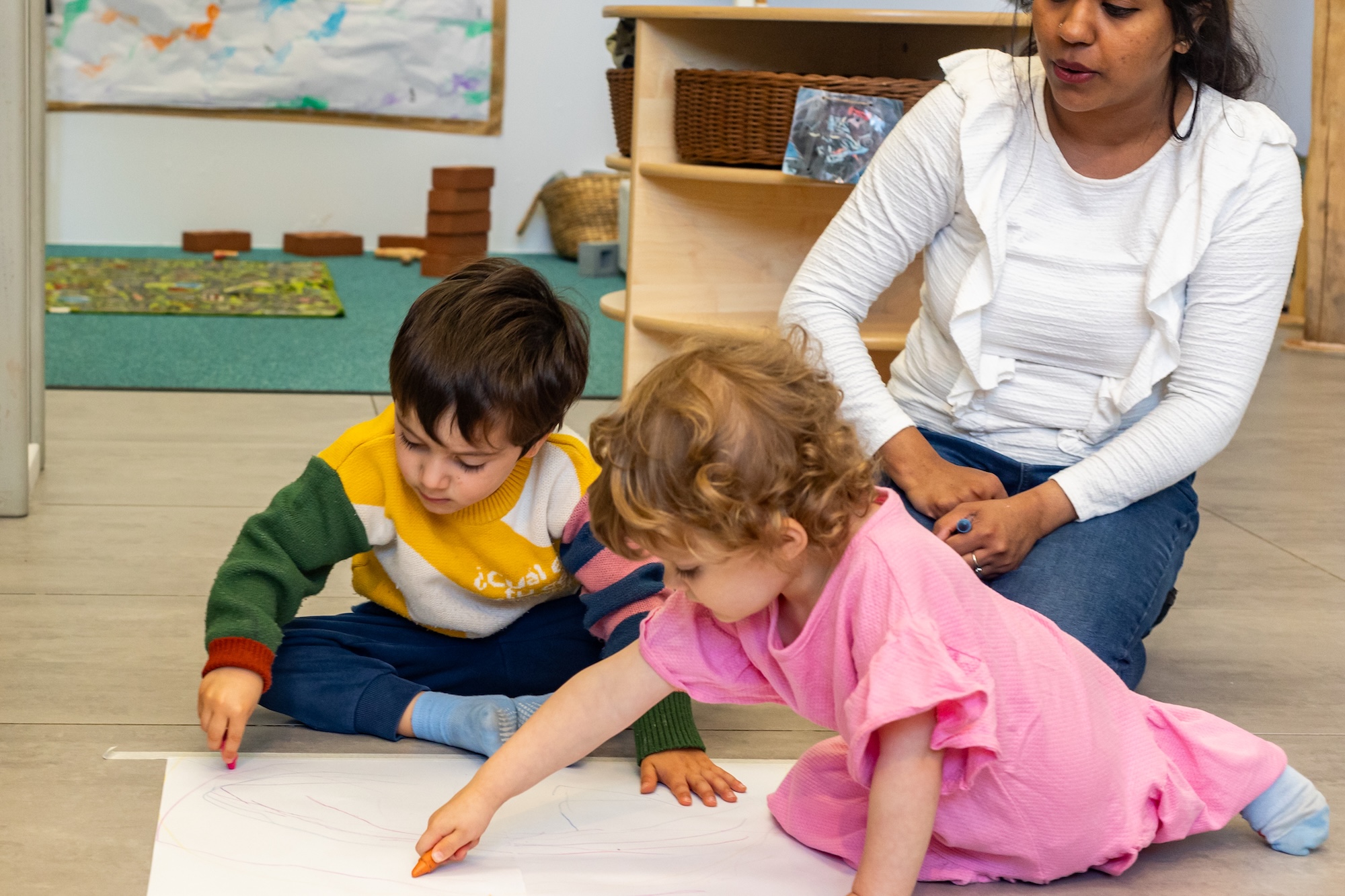
| Represent | Children represent their learning through art, construction, writing, movement, or digital media. Representations are displayed and shared with the school community. |
Selecting phenomena for your franchise setting
FinlandWay® provides partner schools with a curated bank of activities and tested phenomena, each with detailed implementation notes covering facilitation approaches, material suggestions, and documentation guidance. Educators use the lesson plans and guidelines and adapt them to according to their school context, the interests of their children, and the local environment.
This model gives schools meaningful choice while ensuring every phenomenon meets the curriculum standard. The learning materials have been tested across FinlandWay® partner schools and proven rich enough to sustain genuine cross-disciplinary investigation at every age group.
What franchise operators need to prepare for phenomenon-based learning implementation
Implementing phenomenon-based learning in a franchise setting requires preparation across four areas:
1. Staff mindset and capability
Phenomenon-based learning requires teachers who are comfortable with uncertainty, curious about children’s thinking, and skilled at following the child’s lead rather than directing the learning. This is a significant shift from conventional teaching practice. Pre-implementation training covers phenomenon planning, facilitation techniques, and observation and documentation practice.
2. Environment design
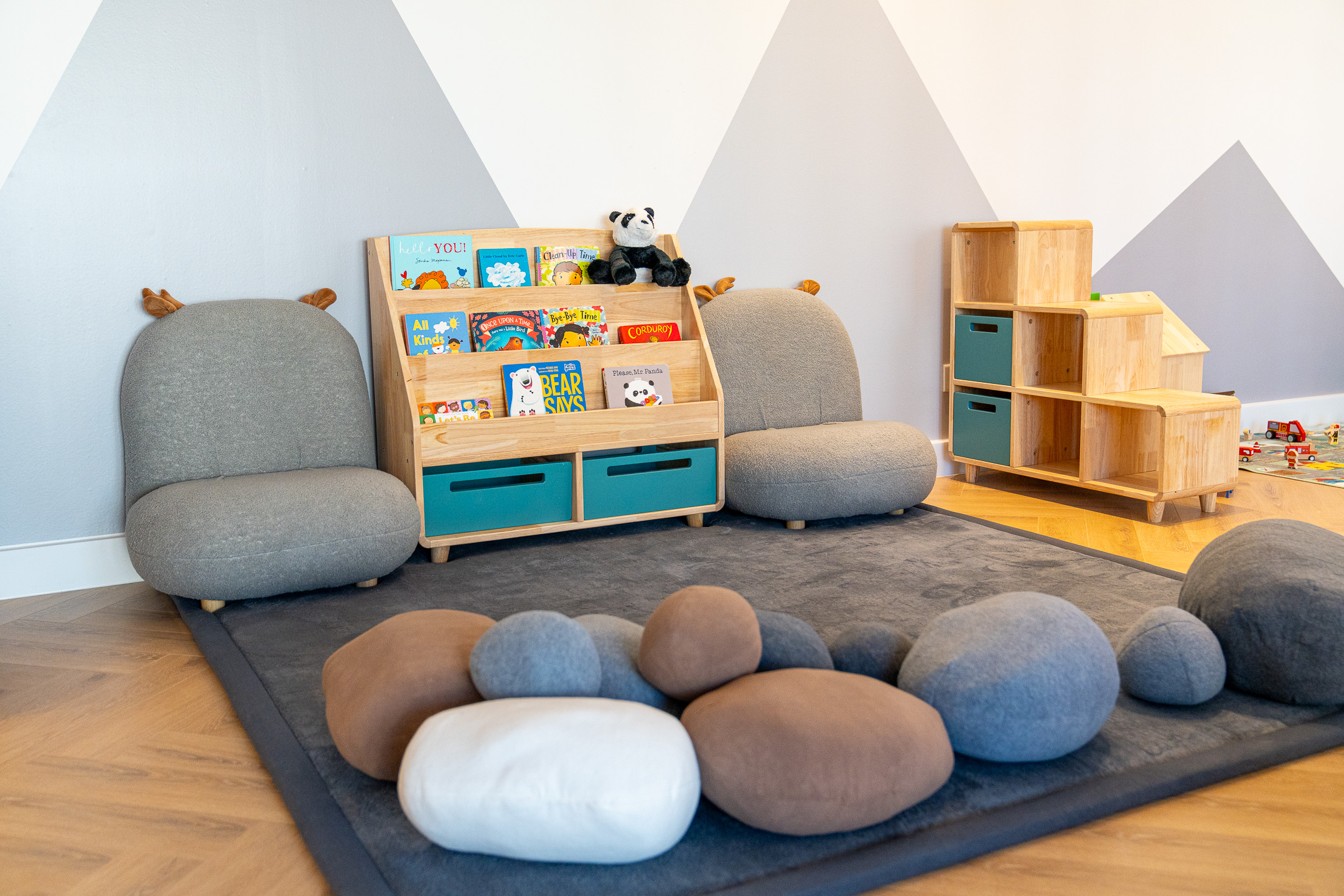
Phenomenon-based learning requires a flexible, resource-rich environment that can be reconfigured around each new phenomenon. Materials, displays, and classroom decoration are adapted at the start of each phenomenon to reflect the new theme. The FinlandWay® environment design brief includes specific guidance on preparing the physical environment for phenomenon-based learning.
3. Parent communication
Phenomenon-based learning can initially seem unfamiliar to parents, particularly in markets where parents expect to see evidence of academic content in their child’s school day. The FinlandWay® parent engagement toolkit includes specific materials for communicating the phenomenon-based approach, including project documentation templates and parent information guides.
4. Documentation and quality assurance
Each phenomenon cycle should be documented comprehensively through photographs, children’s work, teacher observations, and written reflections. This documentation serves multiple purposes: it provides evidence of curriculum quality for parents and regulators; it supports the school’s ongoing quality assurance process; and it contributes to the educatorsä professional development.
For the full curriculum implementation guide, see adopting the Finland curriculum in your school: a guide for principals
Phenomenon-based learning as a franchise differentiator in Gulf and MENA markets
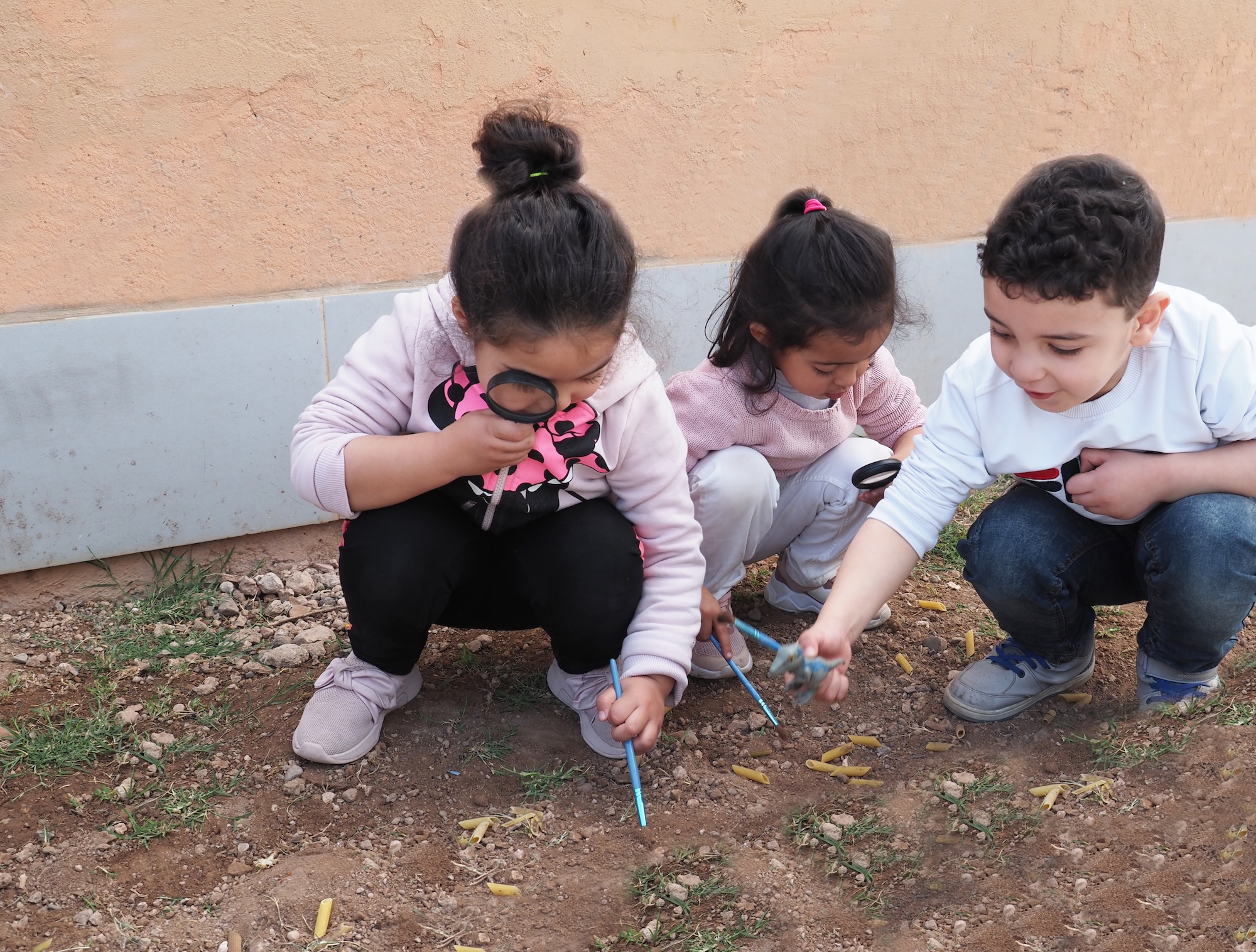
In markets where most early years schools still use subject-based, worksheets-driven curricula, phenomenon-based learning is an immediately visible differentiator. Parents who observe their children engaged in rich, multi-dimensional investigation — exploring water systems, constructing models of the built environment, or investigating the properties of sand and stone — see something qualitatively different from the conventional school experience.
This visibility is commercially significant. It generates:
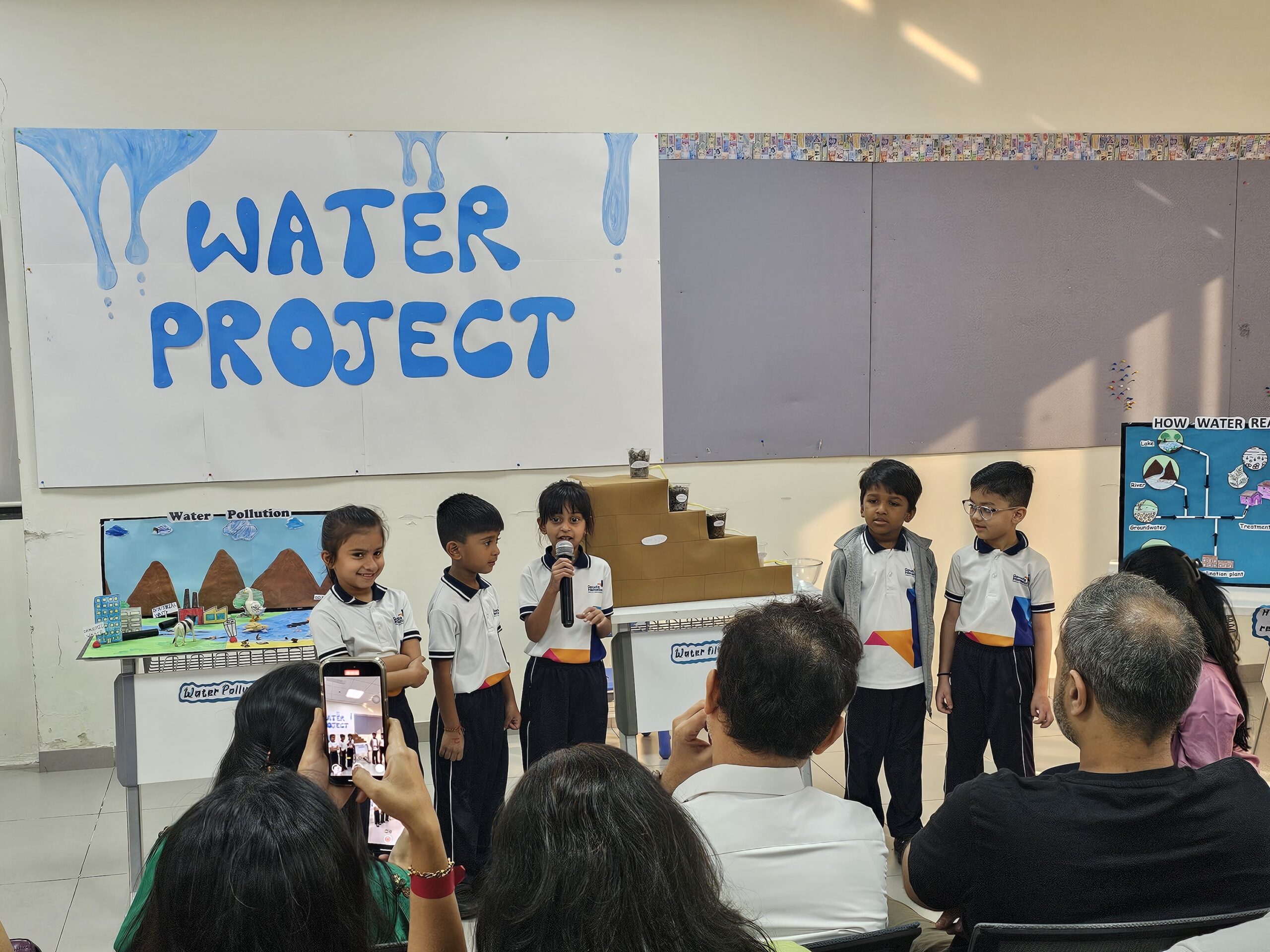
- Parent exhibition events that showcase learning and build community. Phenomenon culminations, where children share and explain their learning to parents, are among the most powerful parent engagement tools available to early years schools
- Regulatory credibility: phenomenon-based learning documentation demonstrates curriculum depth and teacher skill in ways that a worksheet portfolio cannot
- Social media content that parents share organically. Photographs and videos of phenomenon-based projects circulate naturally in parent communities, creating word-of-mouth at scale
For the evidence base that underpins this approach, see play-based learning outcomes: the evidence school investors need to see
For the full business case for the Finland early years model, see the Finland early years model: a business case for school owners & operators
Download the phenomenon-based learning implementation guide
Request the FinlandWay® phenomenon-based learning implementation pack from the schools team — including the phenomena bank, documentation templates, and parent communication materials.
Frequently asked questions
At what age is phenomenon-based learning introduced in the FinlandWay® curriculum?
Phenomenon-based learning is introduced progressively from age one. For the youngest children (ages 1–2), the curriculum is primarily exploratory and sensory, but structured around the same phenomena as for the older children, with documentation. The full phenomenon cycles are introduced from age two, becoming the primary curriculum organiser from age five onwards.
How often does a phenomenon change?
The FinlandWay® curriculum team provides the schools with comprehensive lesson plans covering various phenomena. Some phenomena are exhausted in two weeks; others sustain investigation for a month or more. Educators are also encouraged to extend the phenomena that the children most love.
Can phenomenon-based learning be implemented in a bilingual or multilingual school setting?
Yes. Phenomenon-based learning is highly compatible with bilingual and multilingual settings because language development is embedded within the investigative process rather than treated as a separate subject. Children develop vocabulary, narrative, and questioning skills naturally within the context of meaningful exploration.
How does phenomenon-based learning satisfy regulatory curriculum requirements?
The FinlandWay® curriculum team provides a curriculum mapping document for each market that shows how phenomenon-based learning addresses required developmental outcomes. This documentation is done together with franchise partners as part of the implementation support and is designed to be shared with regulators where required.