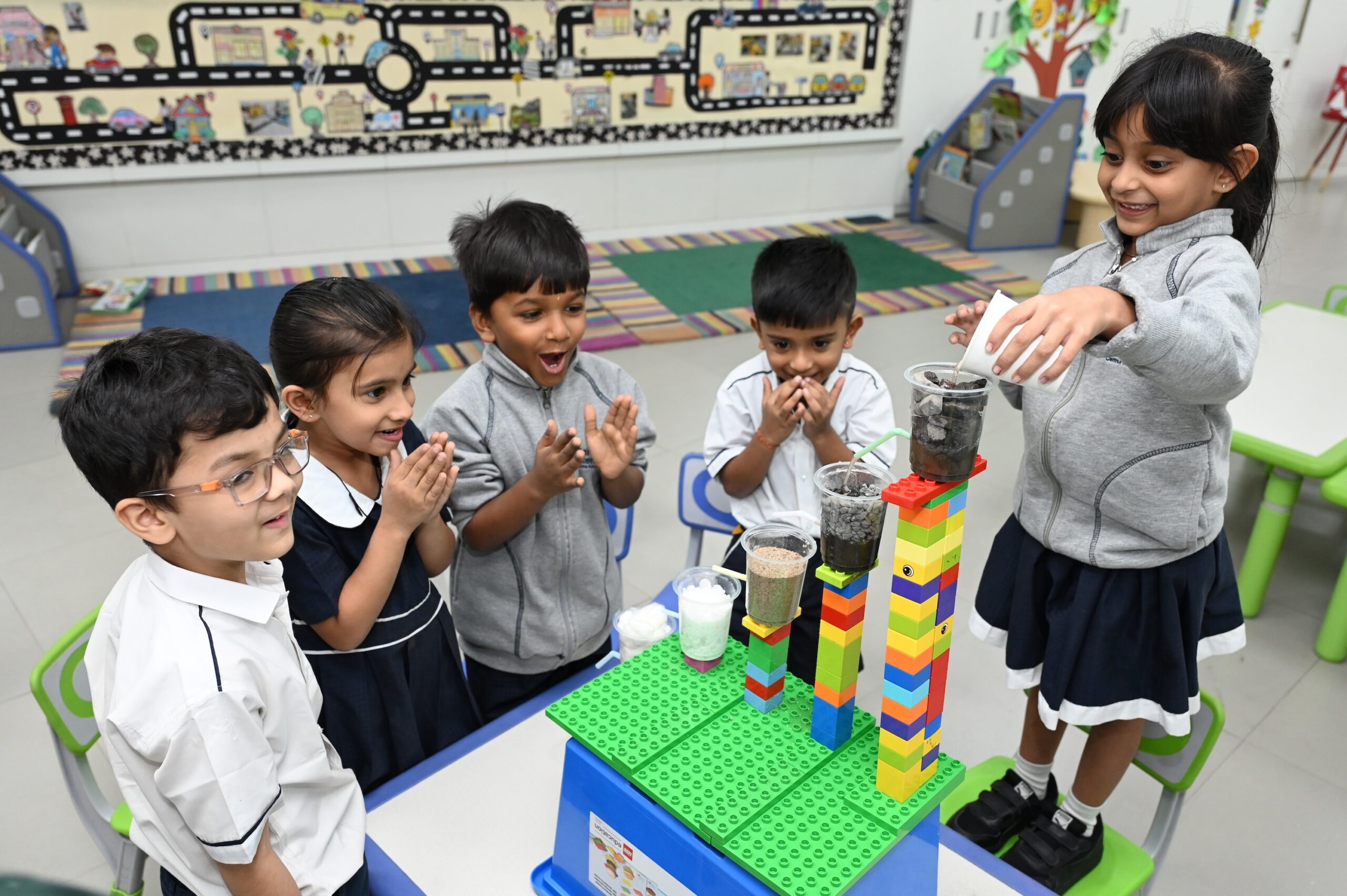

The STEM vs soft skills debate has dominated curriculum conversations in early years education for the past decade. School owners and investors are constantly pushed to pick a side: invest in STEM infrastructure and technical skill development or prioritise social-emotional learning and the so-called soft skills employers say they cannot find. The FinlandWay® position is that this is a false binary and that forward-thinking schools are already moving past it. This article explains why the STEM vs soft skills question starts from the wrong premise and what the evidence actually shows about developing both together.
| Related: For the full framework, see future-ready schools: how the FinlandWay® model builds 21st-century skills |
STEM vs soft skills: why forward-thinking schools reject the binary
The framing of STEM vs soft skills as a curriculum choice misrepresents how learning actually works. The most important STEM skills such as scientific enquiry and mathematical reasoning and engineering problem-solving and technological creativity cannot develop on their own. They rely on soft skills: curiosity and persistence and collaboration and the willingness to fail and try again.
Consider what a child actually does during a genuine STEM challenge:
- They form a hypothesis → that takes creative thinking and intellectual courage.
- They design an experiment or approach →that takes planning and organisation and self-regulation.
- They execute it with others → that takes collaboration and communication and negotiation.
- They encounter failure → that takes resilience and emotional regulation and the persistence to keep learning.
- They reflect and iterate → that takes metacognition and analytical thinking and the ability to give and receive feedback.
Every one of these steps is a soft skill in service of a STEM goal. Schools that teach STEM content without developing the soft skills behind it produce children who can execute memorised procedures but cannot innovate or collaborate or adapt. That is precisely what the labour market says it cannot find.
What the evidence shows about STEM and soft skills development
| Curriculum approach | STEM outcomes | Soft skills outcomes | Long-term result |
|---|---|---|---|
| 1 Content-based STEM instruction |
Strong on specific technical knowledge and procedural skills within defined domains. | Weak Passive learning environments limit the development of collaboration, creativity, and self-regulation. |
Children who can execute known procedures but struggle to apply knowledge in novel, collaborative, or ambiguous contexts. |
| 2 Soft skills focus without STEM integration |
Weak Without structured STEM opportunities, children may lack the knowledge base to apply their skills effectively. |
Strong on social-emotional competence, communication, and collaboration. | Children with strong interpersonal and emotional skills but limited technical capability or knowledge of the natural and designed world. |
| 3 Integrated curriculum (Finland model) Recommended |
Strong STEM content explored through phenomenon-based learning, outdoor investigation, and open-ended construction challenges that develop genuine scientific and mathematical thinking. |
Strong Collaborative investigation, documentation, reflection, and peer discussion develop all core soft skills within every STEM activity. |
Children with both the knowledge base and the dispositional skills to engage effectively with a complex, rapidly changing world – the definition of future-readiness. |
How the FinlandWay® model integrates STEM and soft skills
The FinlandWay® Finland curriculum does not treat STEM as a subject block and soft skills as a separate pastoral programme. It integrates both within every learning experience. Here is what that looks like in practice across each STEM domain:
Science and nature
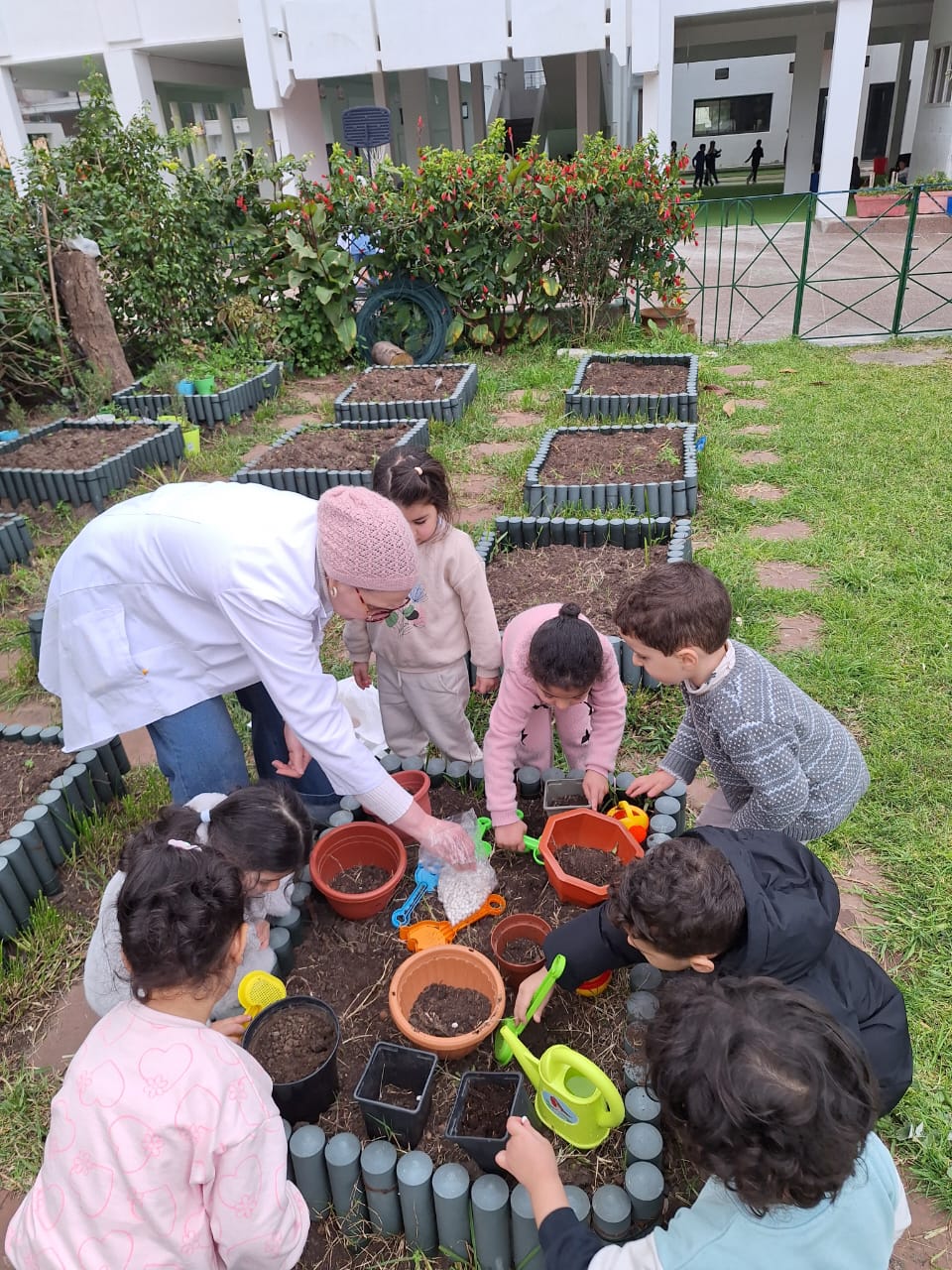
Children investigate the natural world through outdoor learning and seasonal observation and structured enquiry projects. Scientific thinking grows as children question and hypothesise and observe and record and conclude within real investigations rather than through worksheets. Collaboration and communication and persistence develop right alongside it in every investigation.
Technology
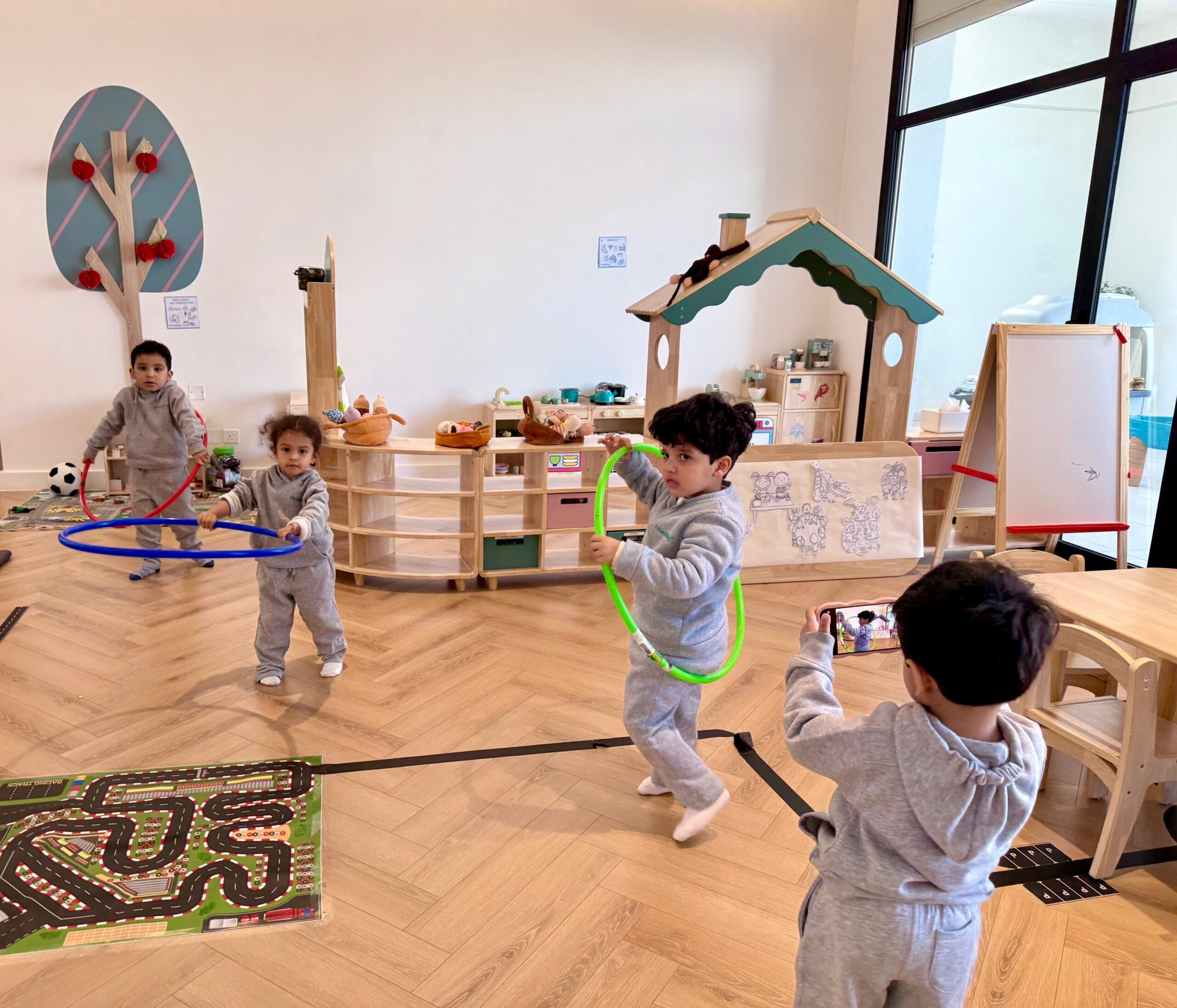
In the FinlandWay® model technology is used purposefully and sparingly. It serves as a tool for documenting and communicating rather than as the primary medium for learning. Children use technology to record and share their investigations rather than to consume content. This builds genuine digital literacy: the ability to use technology as a creative and communicative tool. It also protects the critical thinking and self-regulation that heavy content consumption can undermine.
Engineering and construction
Open-ended construction challenges using natural and recycled materials are a core feature of the FinlandWay® learning environment. Children build and test and fail and redesign and rebuild. That process is deeply collaborative and often emotionally demanding and it builds engineering thinking and spatial reasoning and mathematical understanding all at once. The soft-skill development inside a good construction challenge matters just as much as the STEM development.
Mathematics
Mathematical thinking develops through measurement and sorting and pattern-making and quantity estimation and data collection within real-world contexts. Children build number sense and spatial reasoning and mathematical language through physical and sensory and collaborative activity rather than through worksheet-based drill. The evidence consistently shows that this approach produces stronger mathematical understanding than formal instruction at the early years stage.
For the full curriculum breakdown, see Finland preschool curriculum: what it delivers for schools & operators
What this means for school operators and investors
For school owners and investors, the STEM vs soft skills debate is not just a curriculum question — it is a commercial positioning question. Schools that take a clear, evidence-based position on curriculum integration — and can articulate it credibly to parents and regulators — occupy a stronger market position than schools that are caught in the binary.
The FinlandWay® position gives school operators a compelling narrative:
- We do not choose between STEM and soft skills because the evidence shows they cannot be effectively developed in isolation — they are mutually reinforcing
- Our curriculum develops both through an integrated, play-based approach that produces measurably stronger outcomes across all developmental domains
- We can show you exactly how this happens in practice, and we can show you the evidence that it works
This is a narrative that resonates strongly with the research-driven parent segment that drives premium fee positioning in Gulf and MENA markets — and with the sophisticated investors who evaluate school businesses on curriculum quality as a driver of sustainable commercial performance.
For the play-based evidence base, see play-based learning outcomes: the evidence school investors need to see
For the holistic development framework, see holistic development in schools: why operators choose evidence-based models →
See how FinlandWay® integrates STEM and soft skills
Request a curriculum demo from the FinlandWay® schools team and see exactly how STEM and soft skills development are integrated within the Finland early years curriculum.
No commitment required — we respond within one business day
Frequently asked questions
Do FinlandWay® schools teach coding and digital technology?
Digital technology is introduced progressively and purposefully within the FinlandWay® curriculum. For children under five, technology is used as a documentation and communication tool rather than a primary learning medium. Coding concepts are introduced through unplugged, physical activities that develop computational thinking without screen dependence. Formal digital literacy and age-appropriate coding programmes are introduced from age five, in a way that builds on rather than replaces the foundational skills developed through play-based learning.
How does the Finland model handle the pressure from parents who want their children to be learning STEM content formally?
The FinlandWay® parent engagement toolkit includes specific resources for communicating the curriculum’s approach to STEM development to parents from technical or academically demanding backgrounds. The key is demonstrating the depth of STEM thinking that emerges from investigation-based learning — which is often significantly richer than the procedural content knowledge that formal STEM instruction produces at the early years stage.
Is the STEM-soft skills balance different for different age groups within the Finland curriculum?
Yes. For the youngest children, the curriculum prioritises the soft skills and physical development that underpin all future STEM learning. As children develop, structured STEM investigations become more complex and more explicitly focused on scientific and mathematical reasoning. The integration of soft skills within STEM activity remains constant across all age groups, but the sophistication of the STEM content increases progressively.