
Positive pedagogy is one of the most underused differentiators available to early years school operators. Most schools claim to havea positive, child-centred approach. Very few can actually demonstrate what that means in practice and why it produces better outcomes and how it drives the commercial metrics that school owners and investors care about. This article gives positive pedagogy a clear definition as a school differentiator. It sets out what that looks like in a FinlandWay® school and explains why it is one of the most commercially significant curriculum choices an operator can make in 2026.
| Related: For the full future-ready schools framework, see future-ready schools: how the FinlandWay® model builds 21st-century skills |
Positive pedagogy as a school differentiator: what it means in practice
Positive pedagogy is not a slogan or a pastoral programme. It is a specific, evidence-based approach to teaching and learning that has measurable effects on child outcomes, staff performance, and school culture. In the early years context, positive pedagogy rests on four principles:
- Strengths-based assessment: children are assessed on what they can do and what they are developing towards, not on what they cannot yet do. Assessment documents growth, curiosity, and capability rather than deficit and failure
- Intrinsic motivation: learning is designed to be genuinely engaging and meaningful, so that children want to engage with it rather than complying with external demands. Reward and punishment systems are replaced by environments and relationships that make learning intrinsically rewarding
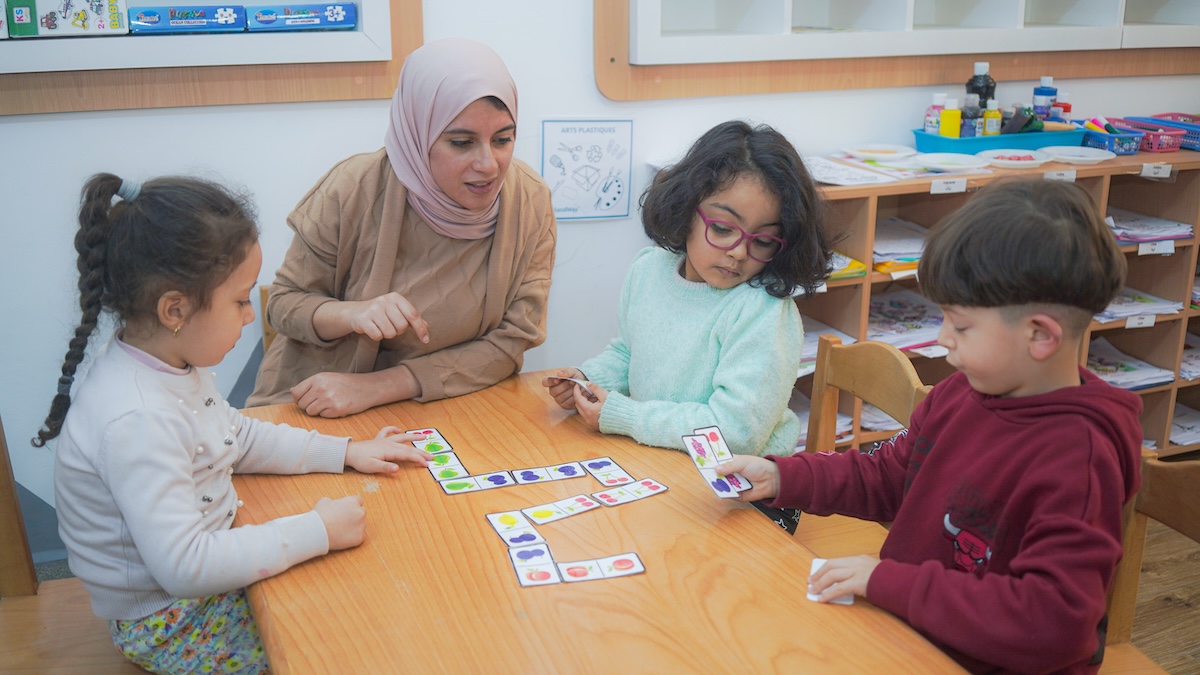
- Relational teaching: the relationship between teacher and child is treated as the primary vehicle of learning. Teachers invest in genuinely knowing each child, their interests, strengths, fears, and developmental trajectory, and use that knowledge to extend learning meaningfully
- Wellbeing as a curriculum outcome: child wellbeing is not treated as a precondition for learning or a pastoral add-on. It is a core curriculum outcome that is planned for, documented, and reported alongside cognitive and physical development
These principles are operational commitments that show up in how teachers talk to children, how the environment is designed, how learning is documented, and how parents are communicated with.
Why positive pedagogy is a commercial differentiator
The commercial case for positive pedagogy as a school differentiator rests on three drivers that directly affect revenue, retention, and reputation.
Parent retention
Parents who experience a genuinely positive school culture, where their child is known, valued, and visibly thriving, do not leave. The emotional connection that positive pedagogy creates between families and schools is the single most powerful driver of retention in early years education. It is also the hardest thing for a competitor to replicate quickly.
Staff retention
Teachers who work within a positive pedagogical framework, where they are trusted to build relationships, make professional judgements, and observe and respond to individual children rather than deliver prescribed content , experience significantly higher job satisfaction. Lower staff turnover reduces recruitment and training costs and preserves the relationship quality that positive pedagogy depends on.
Word-of-mouth and referrals
The specific thing that parents say to other parents when they refer to a school operating positive pedagogy is: ‘My child loves going to school.’ And then: ‘The teachers really know my child.’ These two sentences are worth more than any marketing campaign, and they are the natural output of a school that is genuinely practising positive pedagogy rather than marketing it.
Positive pedagogy in the FinlandWay® model: six observable markers
The FinlandWay® curriculum framework makes positive pedagogy operational through six specific, observable practices. These markers allow school leaders, inspectors, and parents to see positive pedagogy in action — not just read about it in a mission statement.
| Marker | What it looks like | What it means for the school |
|---|---|---|
| 1 Teacher-child relationships |
Teachers know every child’s name, interests, fears, and developmental strengths. Conversations are individualised, not broadcast. | Children feel genuinely seen and valued. This is the foundation of intrinsic motivation and learning engagement. |
| 2 Strengths-based language |
Teacher documentation, parent communication, and peer interaction use language that names what children can do and are developing – not what they lack. | Children develop a positive identity as learners. Parents receive communication that builds confidence rather than anxiety. |
| 3 Autonomy and choice |
Children make genuine choices throughout the day – what to explore, who to work with, how to represent their thinking. Choices have real consequences and are respected. | Children develop self-direction, decision-making confidence, and ownership of their learning. |
| 4 Regulation support, not control |
When children are dysregulated, teachers support them to understand and manage their emotions rather than applying punitive consequences. | Children develop emotional intelligence and self-regulation – the skills that predict academic and life success more reliably than any content knowledge. |
| 5 Visible wellbeing documentation |
Child wellbeing is tracked and documented alongside cognitive and physical development. Wellbeing observations are shared with parents as part of the regular portfolio. | Parents see evidence that the school cares about their child as a whole person, not just as a learner of academic content. |
| 6 Community and belonging |
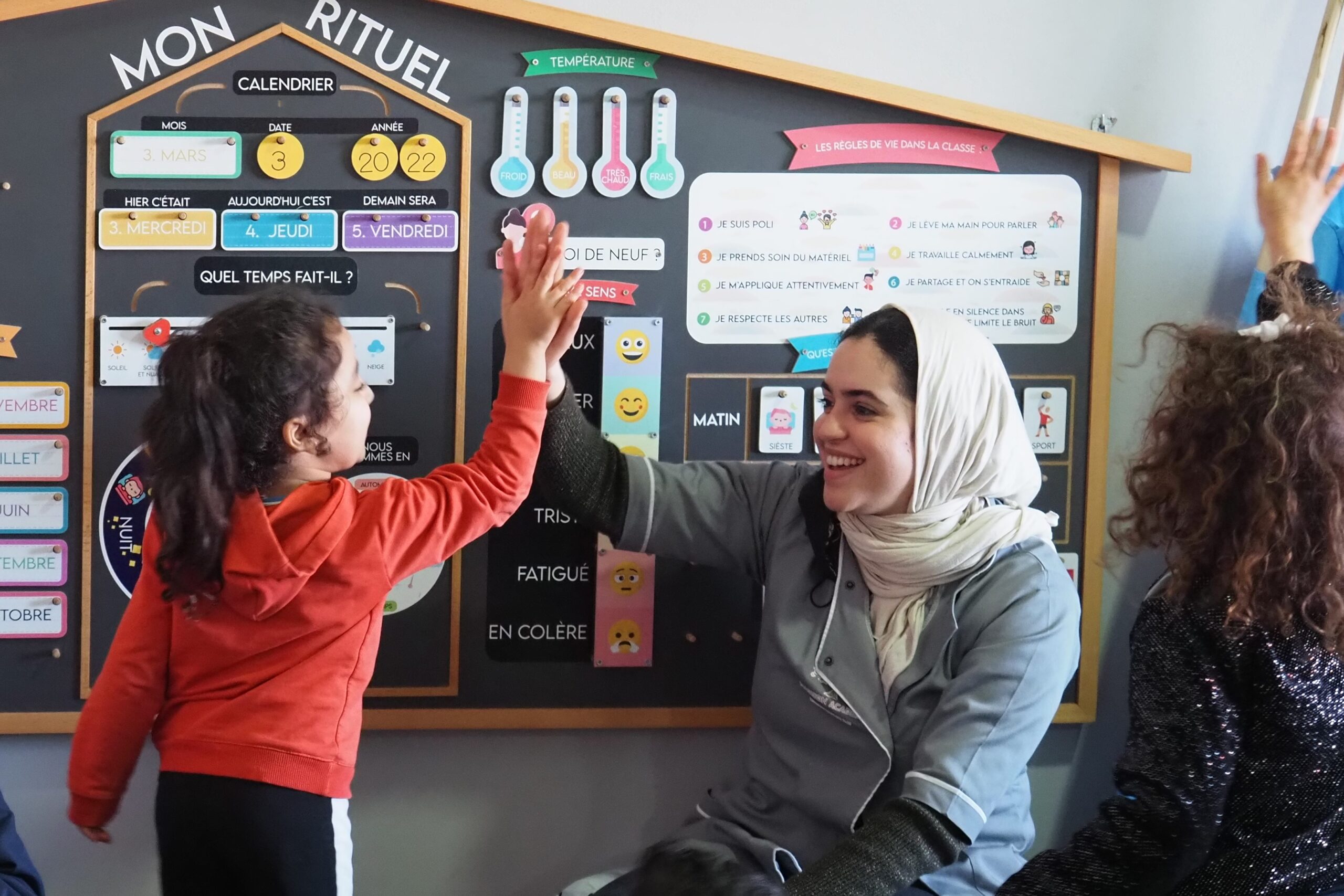
The classroom community is explicitly built through shared rituals, collaborative projects, peer recognition, and inclusive language. Every child belongs. | The school culture becomes a retention driver in itself. Families do not leave communities they belong to. |
Communicating positive pedagogy to parents and investors
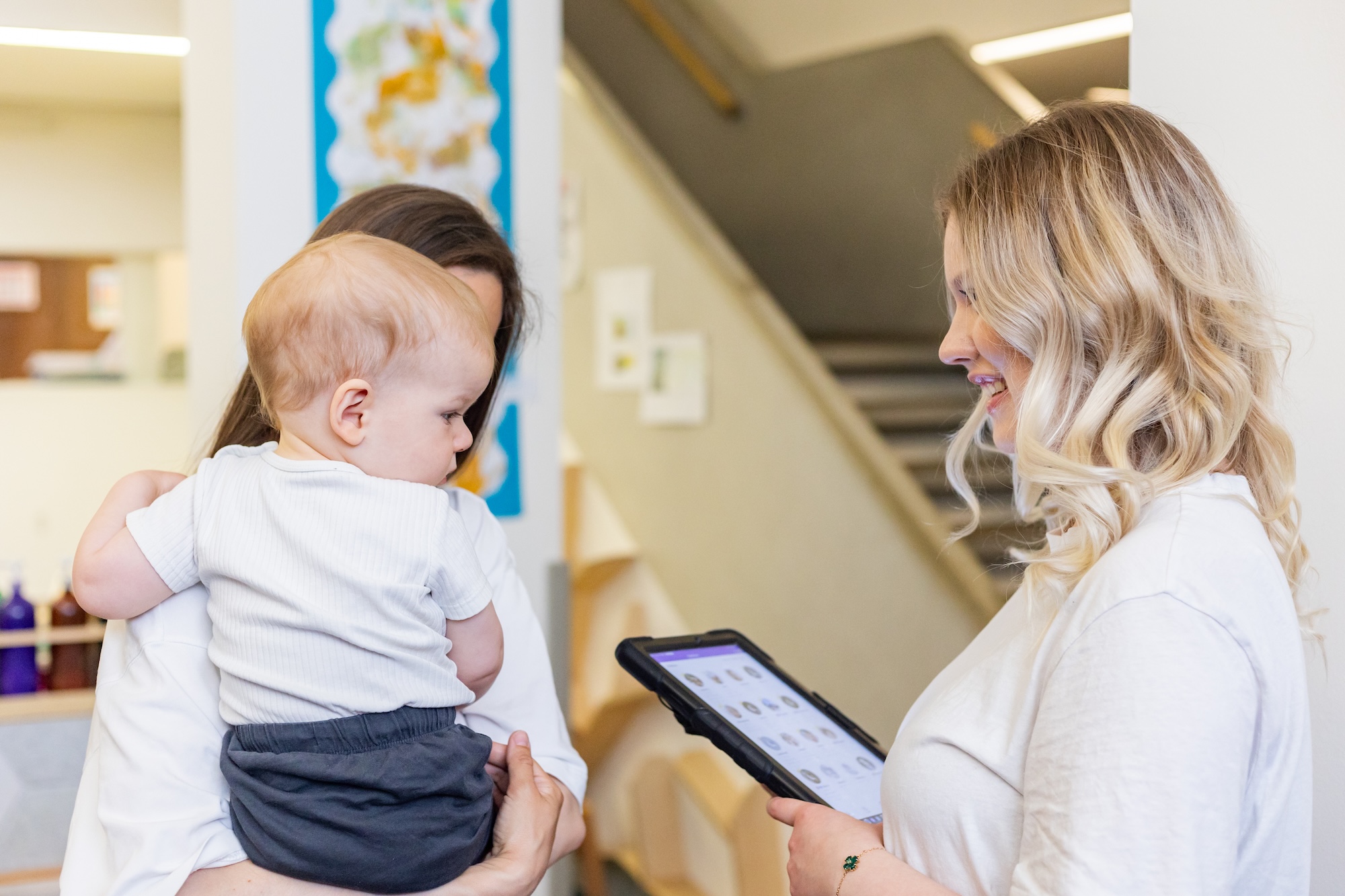
Positive pedagogy might feel hard to communicate because its most important outcomes are invisible: a child’s sense of belonging and their confidence as a learner and their willingness to take intellectual risks. School operators who can make these outcomes visible through documentation and portfolio sharing and parent engagement gain a real competitive advantage.
The FinlandWay® approach to communicating positive pedagogy includes:
- A digital learning portfolio for every child, updated regularly with photographs, observations, and strengths-based developmental notes, shared directly with parents
- Termly parent engagement events that showcase children’s learning projects and allow parents to see the school’s pedagogical approach in action
- A structured parent induction programme that explains the positive pedagogy framework, its evidence base, and what parents should look for as indicators of their child’s thriving
- Regular ‘look-for’ guides that help parents understand what they are seeing when they observe the classroom — turning passive observation into informed advocacy
For investors, positive pedagogy shows up in the retention and referral data. Schools with genuinely positive cultures retain families at materially higher rates and generate referrals at significantly higher volumes. These are the metrics that drive the revenue stability and brand equity that investors value.
For the evidence on outcomes, see play-based learning outcomes: the evidence school investors need to see
For the holistic development framework, see holistic development in schools: why operators choose evidence-based models
See positive pedagogy in action at FinlandWay®
Request a curriculum demo from the FinlandWay® schools team and see how positive pedagogy is built into every element of the Finland early years curriculum – not as an aspiration, but as an operational practice.
No commitment required — we respond within one business day
Frequently asked questions
Is positive pedagogy the same as permissive parenting or unstructured learning?
No. Positive pedagogy is not the absence of structure or boundaries. It is a different kind of structure – one built around relationships, meaningful choices, and intrinsic motivation rather than compliance and control. FinlandWay® classrooms are purposefully organised, consistently managed, and clearly boundaried. The difference is in how those boundaries are established and maintained: through relationship and understanding rather than through reward and punishment.
How do you demonstrate positive pedagogy to parents who associate it with a lack of academic rigour?
The most effective demonstration is the child themselves. A child who arrives at school eager to learn, who can articulate what they are working on and why, who shows emotional resilience and social confidence – this child is the argument for positive pedagogy. The FinlandWay® parent engagement toolkit includes specific guidance on helping parents read these indicators as evidence of rigour, not its absence.
Does positive pedagogy conflict with inspection frameworks in Gulf and MENA countries?
Not where inspection frameworks are aligned with international early years standards, which is increasingly the case across Gulf and MENA markets. FinlandWay® provides regulatory guidance for each territory and can advise on how the positive pedagogy framework maps to local inspection criteria.
Can positive pedagogy be implemented in a school that currently uses a reward-based behaviour system?
Yes, but it requires a planned transition. Moving from a reward-and-consequence system to a relationship-based approach requires staff mindset change, environment adaptation, and parent communication. The FinlandWay® implementation process includes specific guidance on managing this transition.