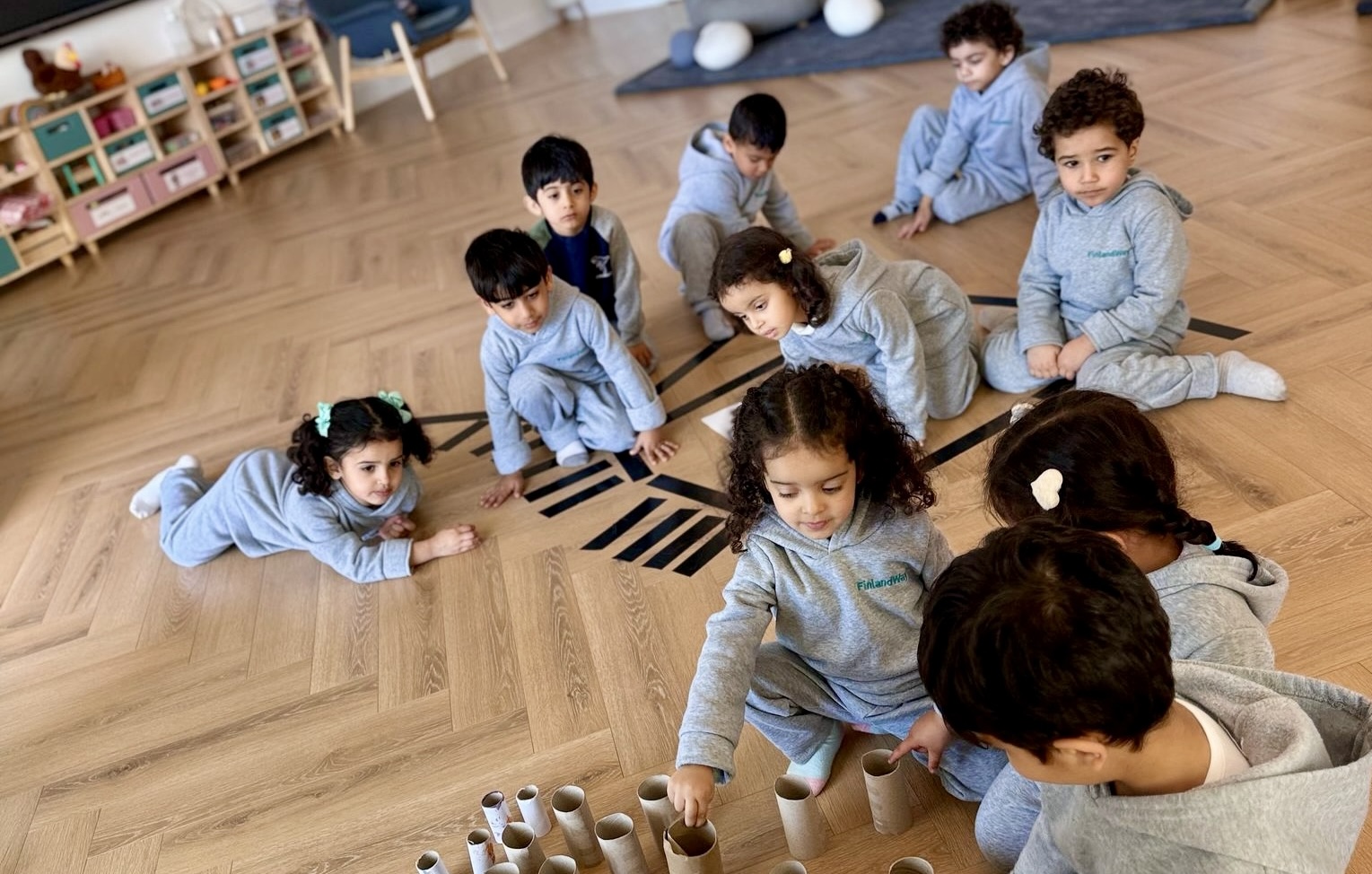

Future-ready schools are no longer a niche aspiration – they are a commercial necessity. In 2026, parents across the Gulf, MENA, and South Asia are making school choices based not just on academic results but on whether their child will graduate with the 21st-century skills that the modern world actually demands. For school owners and investors, building a genuinely future-ready school is both the right educational decision and the most powerful commercial differentiator available. This guide sets out what future-ready schools actually involve, why 21st-century skills are the metric that matters, and how the FinlandWay® model delivers both.
| Related: For the full business case for the Finland model, see the Finland early years model: a business case for school owners & operators |
How future-ready schools build 21st-century skills
The term ’21st-century skills’ is used so widely that it has almost lost meaning. For school owners and investors, a more useful question is: what specific capabilities does a child need to thrive in a world defined by automation, globalisation, and constant change, and what kind of school actually develops them?
The research is clear on both counts. The capabilities that matter most are not primarily academic content knowledge. They are the dispositional and relational skills that formal instruction rarely develops well:
- Critical thinking and problem-solving: the ability to analyse, question, and generate solutions rather than reproduce memorised answers
- Collaboration and communication: the ability to work effectively with others, communicate complex ideas, and navigate disagreement constructively
- Creativity and innovation: the ability to generate novel ideas, take intellectual risks, and approach problems from multiple perspectives
- Self-regulation and learning persistence: the ability to manage attention, tolerate frustration, and sustain effort in the face of difficulty
- Social-emotional competence: the ability to understand and manage one’s own emotions, empathise with others, and build productive relationships
These are not soft skills in the dismissive sense of the term. They are the skills that predict academic performance, career success, and wellbeing across the lifespan and they are skills that the Finland early years model is specifically designed to develop.
Why traditional schools are not future-ready
Most early years schools are not future-ready, and this is not primarily a criticism of the people working in them. It is a structural problem. Traditional early years curricula were designed to prepare children for an industrial economy that no longer exists: to sit still, follow instructions, memorise content, and reproduce it on demand.
The mismatch between traditional schooling and the 21st-century skills that employers and universities actually demand has been well documented for two decades. What has changed in 2026 is that parents are increasingly aware of it – and they are choosing schools accordingly.
For school owners and investors, this creates a significant commercial opportunity. The majority of early years schools in Gulf and MENA markets are still operating on traditional models. A school that credibly claims future-readiness (and can demonstrate it!) occupies a market position that most competitors cannot reach.
How the FinlandWay® model builds future-ready schools
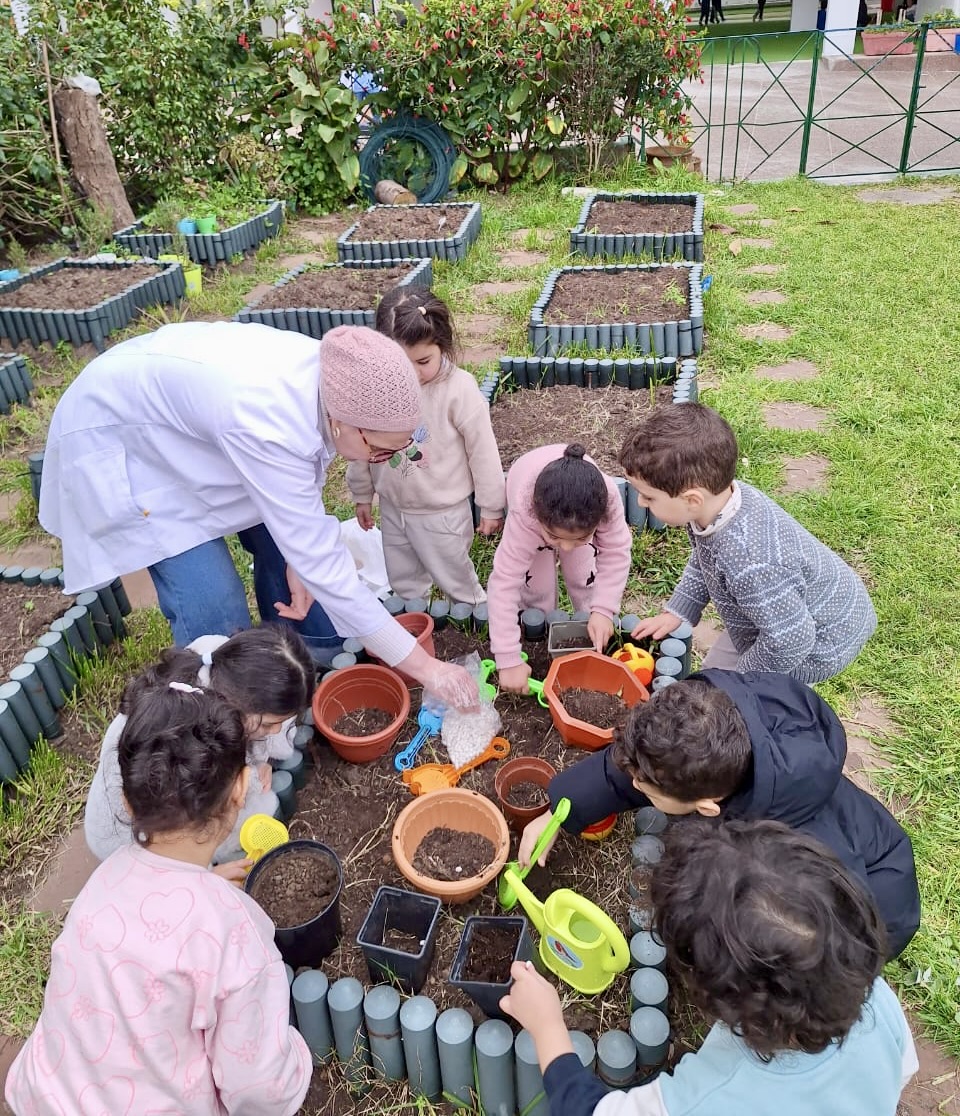
The FinlandWay® Finland curriculum model is not marketed as a future-ready schools framework, but it is one from the core. Every element of the curriculum, from its play-based learning approach to its phenomenon-based projects to its observational assessment system, directly develops the 21st-century skills that future-ready schools are supposed to produce.
| 21st-century skill | How the FinlandWay® model develops it | Observable outcome |
|---|---|---|
| 1 Critical thinking |
Phenomenon-based learning requires children to investigate, question, and draw conclusions from real-world experience rather than reproduce teacher-given answers. | Children who question assumptions, generate hypotheses, and approach problems from multiple angles rather than seeking a single correct answer. |
| 2 Collaboration |
Zone-based learning and group projects require children to negotiate, share resources, delegate, and build on each other’s ideas from the earliest age. | Children who work effectively in teams, listen actively, and contribute constructively rather than competing for individual recognition. |
| 3 Creativity |
Open-ended materials, unstructured play time, and artistic expression across all curriculum areas give children daily practice in generating novel ideas. | Children who approach challenges with curiosity and inventiveness rather than waiting to be told what to do. |
| 4 Self-regulation |
Child-led learning requires children to make choices, manage transitions, sustain attention independently, and regulate their own emotional responses. | Children who can focus, persist through difficulty, and manage frustration – the foundational skills for academic and professional success. |
| 5 Communication |
Storytelling, documentation, project presentations, and daily group discussion develop both verbal and non-verbal communication across multiple contexts. | Children who articulate ideas clearly, listen to others, and adapt their communication to different audiences and situations. |
| 6 Social-emotional competence |
Explicit social-emotional learning is woven into every element of the curriculum. Teachers model, name, and support emotional regulation and empathic behaviour daily. | Children who understand their own emotions, empathise with others, and build positive relationships – the foundation of effective collaboration and leadership. |
The commercial case for future-ready schools in 2026
For school owners and investors, the future-ready schools agenda is just as much a commercial argument as educational. Here is why:
Premium fee positioning
Parents who understand and value 21st-century skills are the most research-driven and least price-sensitive segment of the early years market. A school that can credibly articulate its future-readiness framework – and back it with international evidence – commands a fee premium that generic schools cannot match.
Parent retention and referrals
Parents who see their children developing confidence, curiosity, resilience, and collaborative skills become the school’s most powerful advocates. These outcomes are visible at home and impossible to attribute to anything other than the school’s approach. The result is retention rates and referral volumes that significantly outperform traditionally structured schools.
Regulatory and accreditation alignment
Education ministries across the Gulf and MENA region are actively updating their early years frameworks to emphasise 21st-century skills development. Schools that are already future-ready are ahead of the regulatory curve.
Staff attraction and retention
Teachers who want to develop children’s 21st-century skills are not well served by traditional instruction models. A future-ready school with a coherent, evidence-based curriculum framework attracts and retains the best teachers, reducing the recruitment and turnover costs that erode school profitability.
For the full investor perspective, see what school investors look for in an education franchise in 2026
What future-ready schools look like in practice
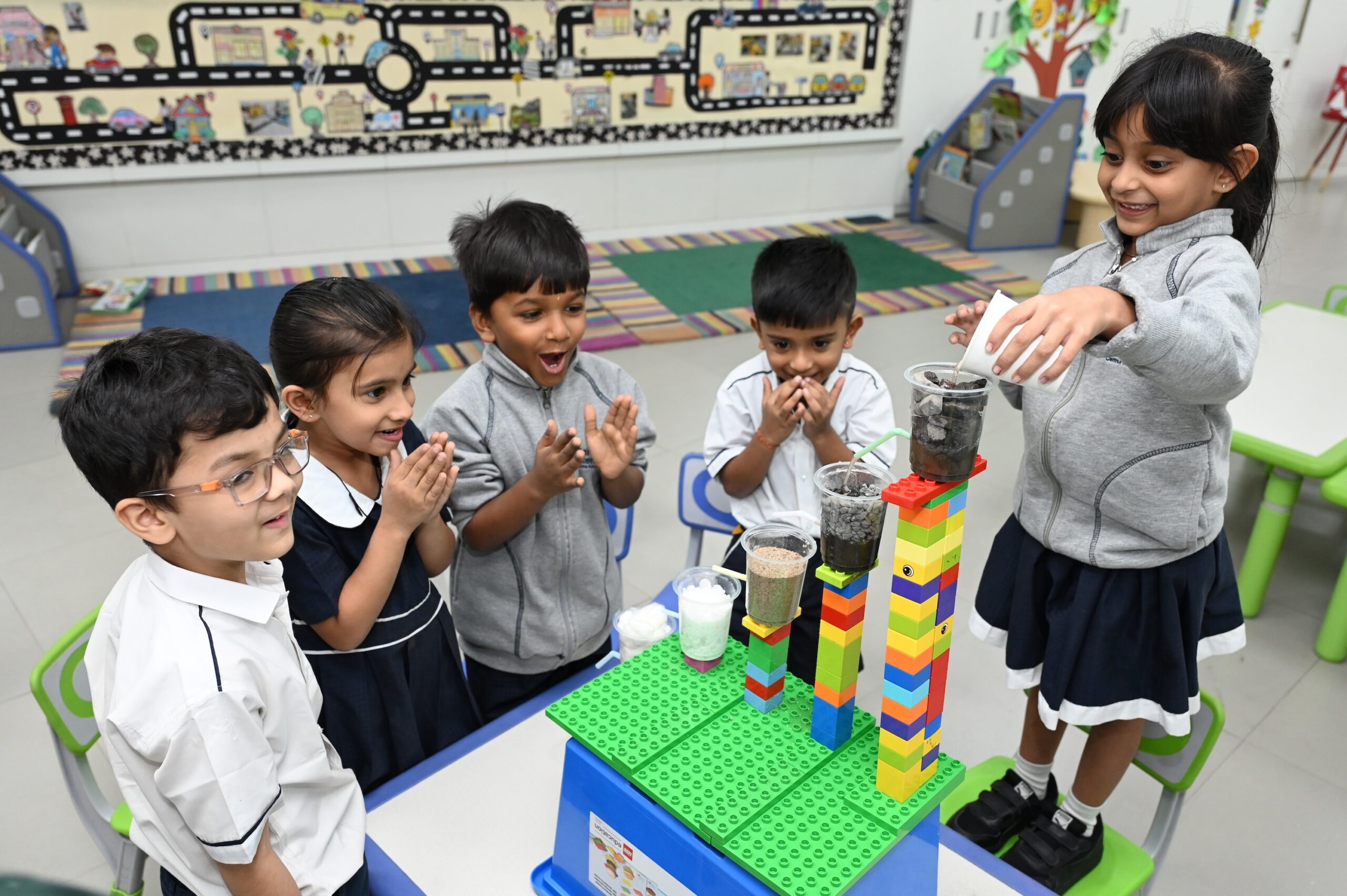
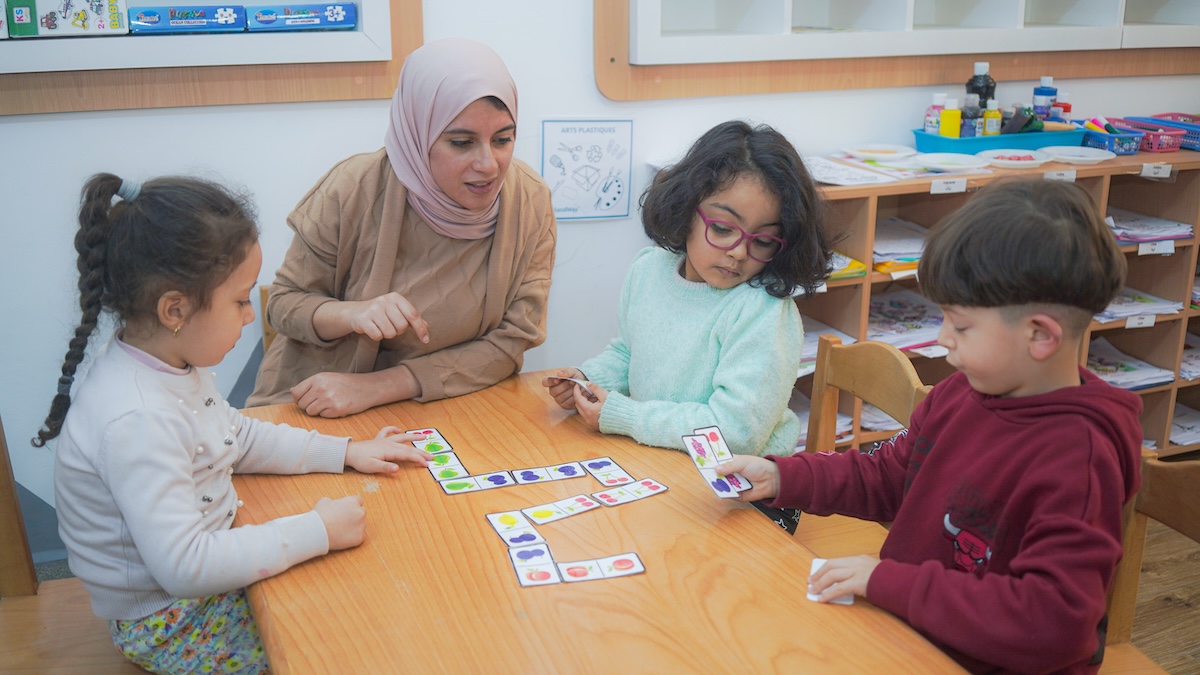
Future-ready schools are defined by what actually happens when children arrive each morning. In a FinlandWay® school:
- Children make real choices about what they explore, how they spend their time, and how they represent their learning – building decision-making and self-direction from the earliest age
- Teachers observe, document, and extend learning rather than delivering content to passive recipients – modelling the enquiring, reflective mindset that 21st-century skills require
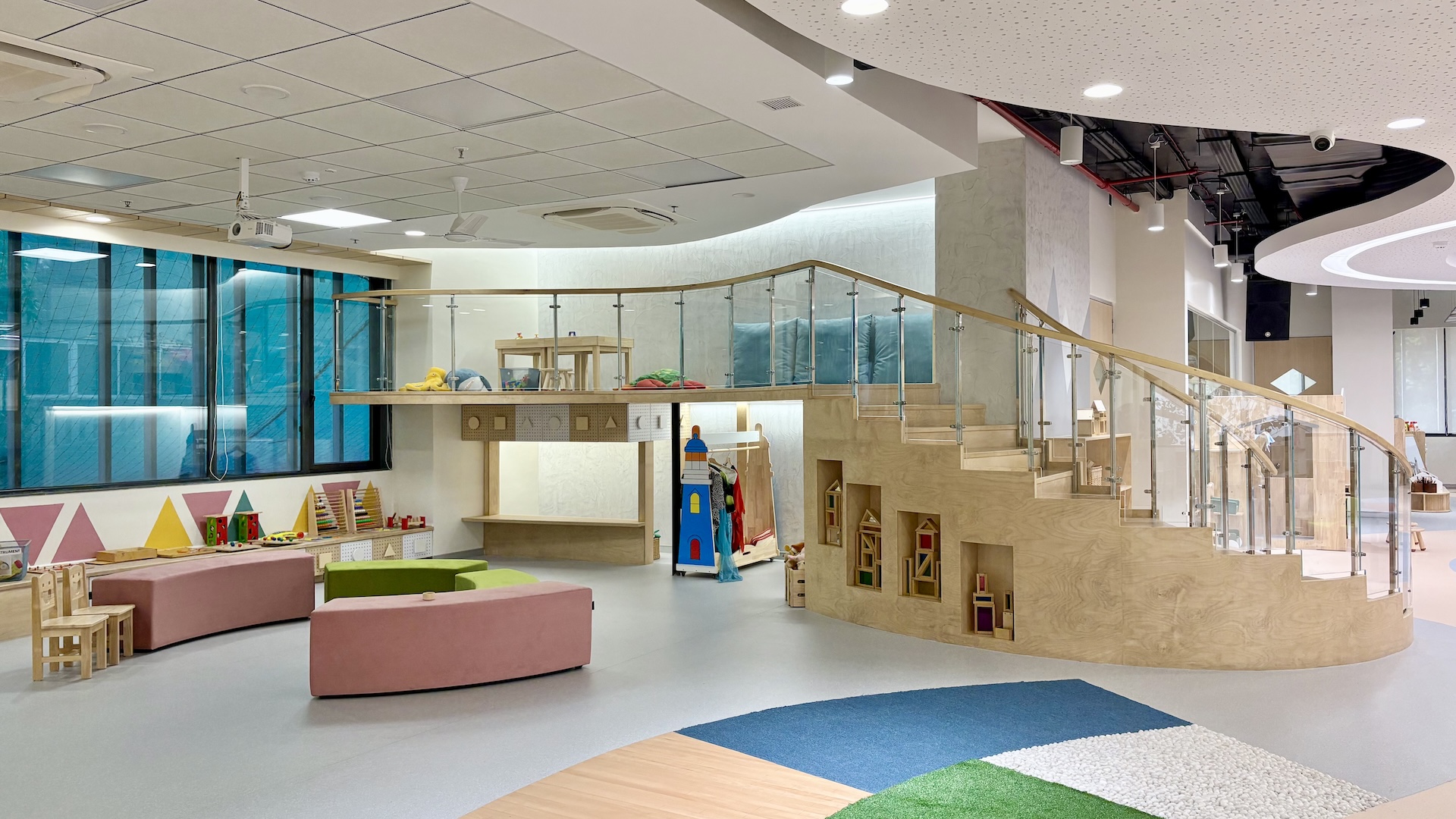
- The environment is designed to provoke curiosity, support collaboration, and reward persistence – not to control behaviour or maximise seat time
- Assessment captures the full picture of a child’s development across cognitive, social, emotional, physical, and creative domains – not just their ability to recall content
- Parents are genuine partners in their child’s learning – informed, engaged, and able to see and discuss developmental progress in real time
This is what future-readiness looks like at the early years level. It is not a curriculum add-on or a set of extracurricular activities. It is a fundamentally different model of what school is for and way of seeing the child. The FinlandWay® curriculum framework is one of the most rigorous and commercially viable expressions of it available to school operators today.
For the evidence base, see play-based learning outcomes: the evidence school investors need to see
For the holistic development dimension, see holistic development in schools: why operators choose evidence-based models
Build a future-ready school with FinlandWay®
Request a curriculum demo from the FinlandWay® schools team. We will show you exactly how the Finland model builds 21st-century skills in your school and what that means commercially.
No commitment required — we respond within one business day
Frequently asked questions
What is the difference between a future-ready school and a traditional school?
A future-ready school is designed around the skills children will need in adult life, such as critical thinking, collaboration, creativity, self-regulation, and social-emotional competence, rather than around the content recall and compliance skills that traditional schooling prioritises. The difference shows up in how teachers teach, how the environment is designed, how learning is assessed, and how parents are engaged.
How do future-ready schools perform on traditional academic measures?
The evidence consistently shows that children in high-quality, future-ready early years schools perform as well or better on traditional academic measures at primary school entry than children from traditionally structured settings. The advantage is most significant in the higher-order skills (problem-solving, reasoning, and creative thinking) that traditional assessments increasingly include.
Are future-ready schools more expensive to operate?
Not significantly. The primary cost differences are in staff training and environment design, both of which are addressed within the FinlandWay® implementation framework. The ongoing cost structure of a future-ready FinlandWay® school is comparable to a well-resourced traditional school, with significantly better outcomes on retention and referrals that improve the commercial performance over time.
How do I communicate the future-ready schools concept to parents who prioritise academic results?
This is one of the most important questions for school operators in aspirational markets. The FinlandWay® parent engagement toolkit includes specific guidance on communicating future-readiness to academically-focused parents. This includes evidence-based talking points, regular portfolio and learning tracking on a designated FinlandWay® app, and parent information guides in multiple languages.