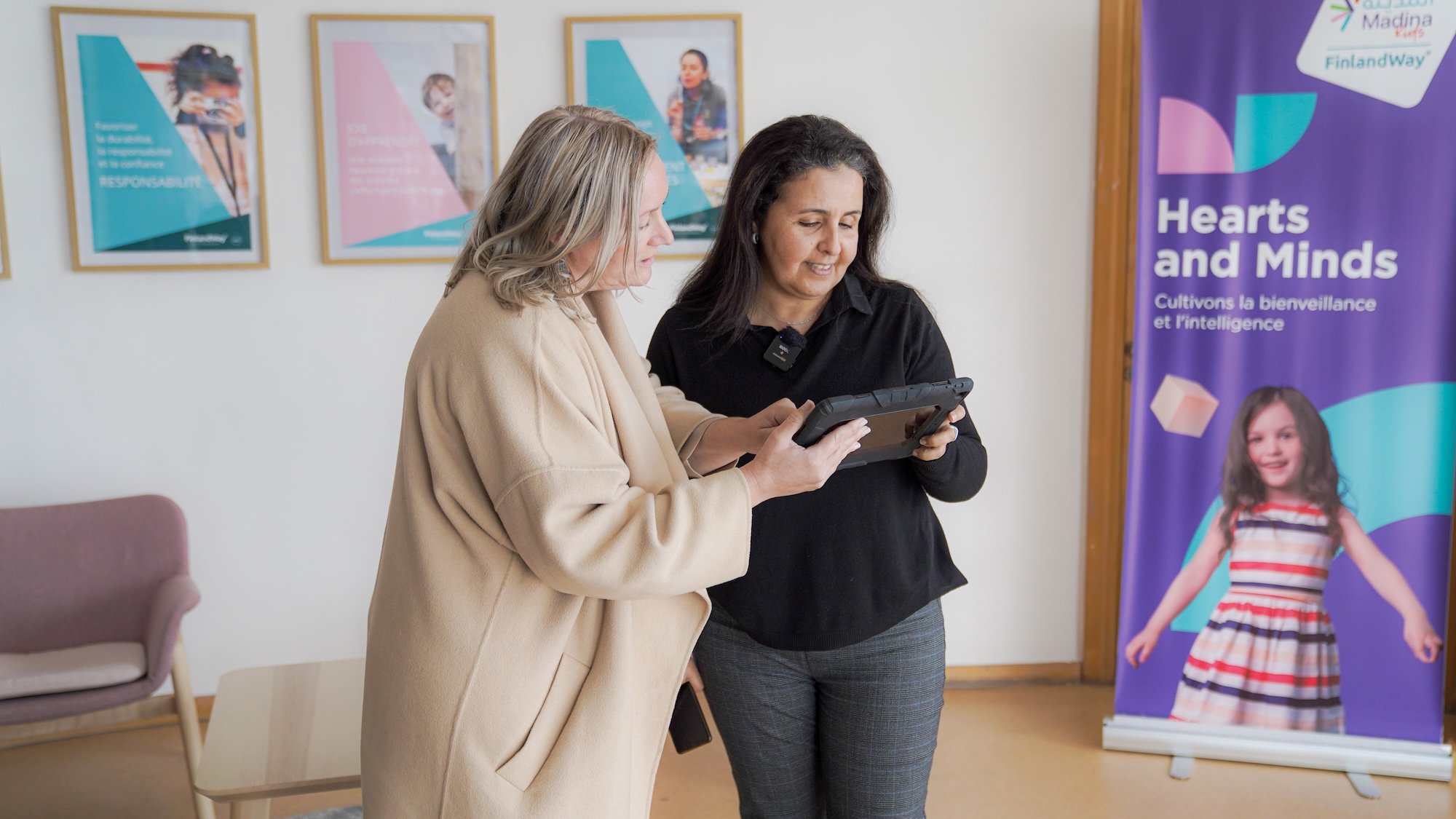

For school principals and education operators considering a curriculum change, the questions are always the same: will it work in my context? What does implementation actually look like? And how do I bring my team, my parents, and my board along with me?
This guide answers those questions directly. It is written for school leaders — principals, directors, and operators — who are seriously considering adopting the FinlandWay® curriculum and want a clear, honest picture of what the process involves, what the outcomes look like, and what support is available at every stage.
| Not a school principal? If you are an investor or franchise partner, see our guide to the FinlandWay® preschool franchise: the complete investment guide |
Why school leaders are reconsidering the traditional curriculum
The traditional preschool and early years curriculum — structured, subject-led, and heavily focused on academic readiness — is under increasing scrutiny from school leaders, parents, and education researchers alike. The evidence base for child-led, play-based, holistic approaches to early learning has grown significantly over the past decade, and school operators who ignore it are finding themselves on the wrong side of a fast-moving market shift.
The principals and school directors we work with are typically motivated by one or more of the following:
- A recognition that their current curriculum is not delivering the learning outcomes they want to see
- Pressure from parents who are researching and comparing educational approaches in ways they were not five years ago
- A desire to differentiate from competitors in their market and command a fee premium
- A strategic decision to upgrade the school brand and position it for growth or expansion
- A genuine belief that children deserve a better, more evidence-based early years experience
The Finnish curriculum addresses all five motivations. It is a practical, implementable system with a thirty-year evidence base and a track record of results in diverse cultural contexts.
What the FinlandWay® curriculum involves
The FinlandWay® curriculum is built on the Finnish national early childhood education and care (ECEC) framework, adapted for international school contexts. It is not a rigid syllabus but a pedagogical approach that shapes how children learn, how teachers teach, and how the school environment is designed.
Core principles
- Play-based learning: children learn most effectively through structured and unstructured play. The curriculum prioritises active, exploratory learning over passive instruction
- Child-led enquiry: teachers follow the child’s interests and questions, scaffolding learning rather than directing it
- Holistic development: the curriculum addresses physical, social, emotional, and cognitive development as integrated dimensions — not separate subjects
- Phenomenon-based learning: cross-disciplinary topics and real-world phenomena replace traditional subject silos for older early years groups
- Outdoor and environmental learning: the physical environment is treated as a third teacher — indoor and outdoor spaces are designed intentionally as learning contexts
What this looks like in practice
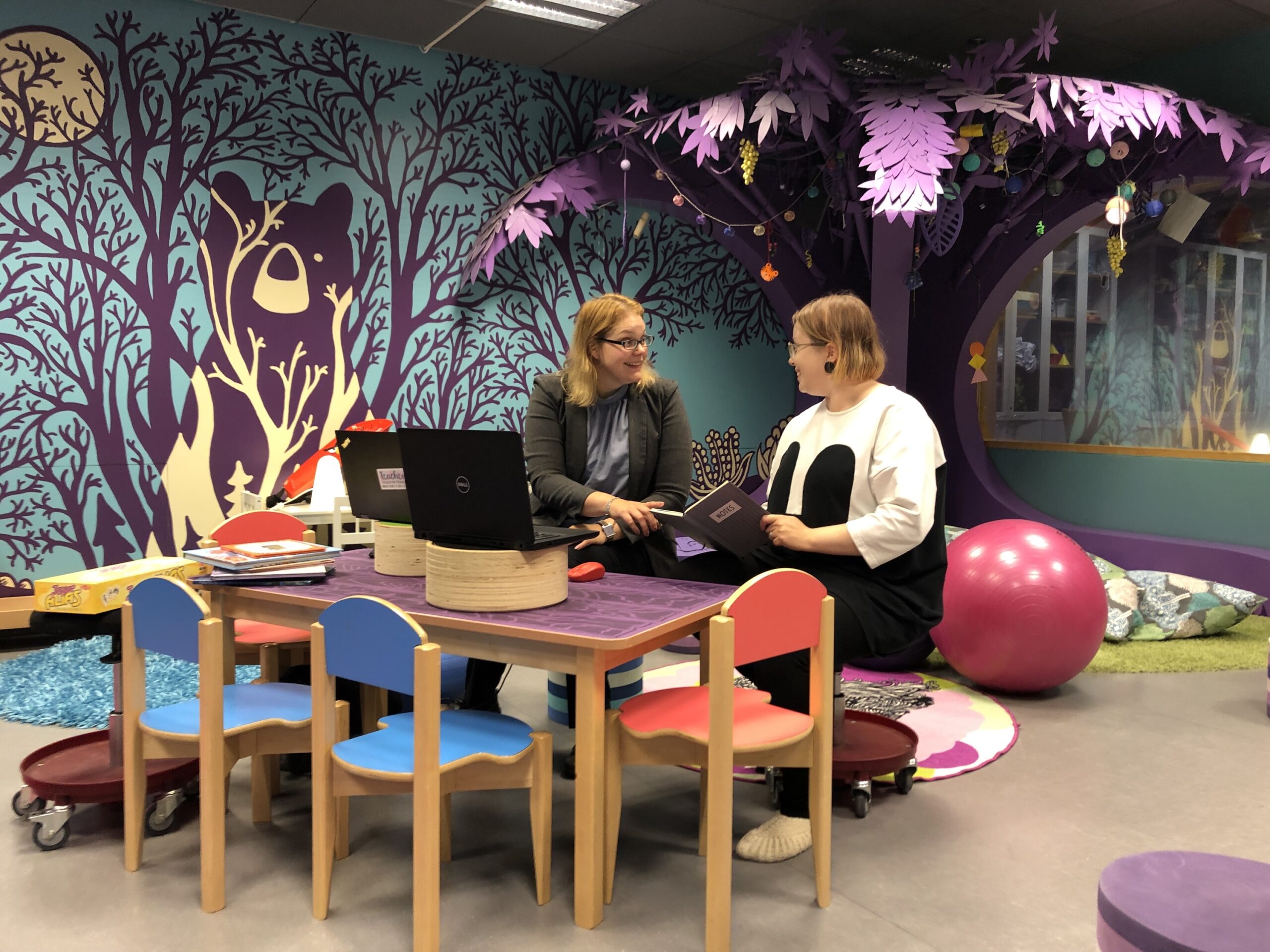
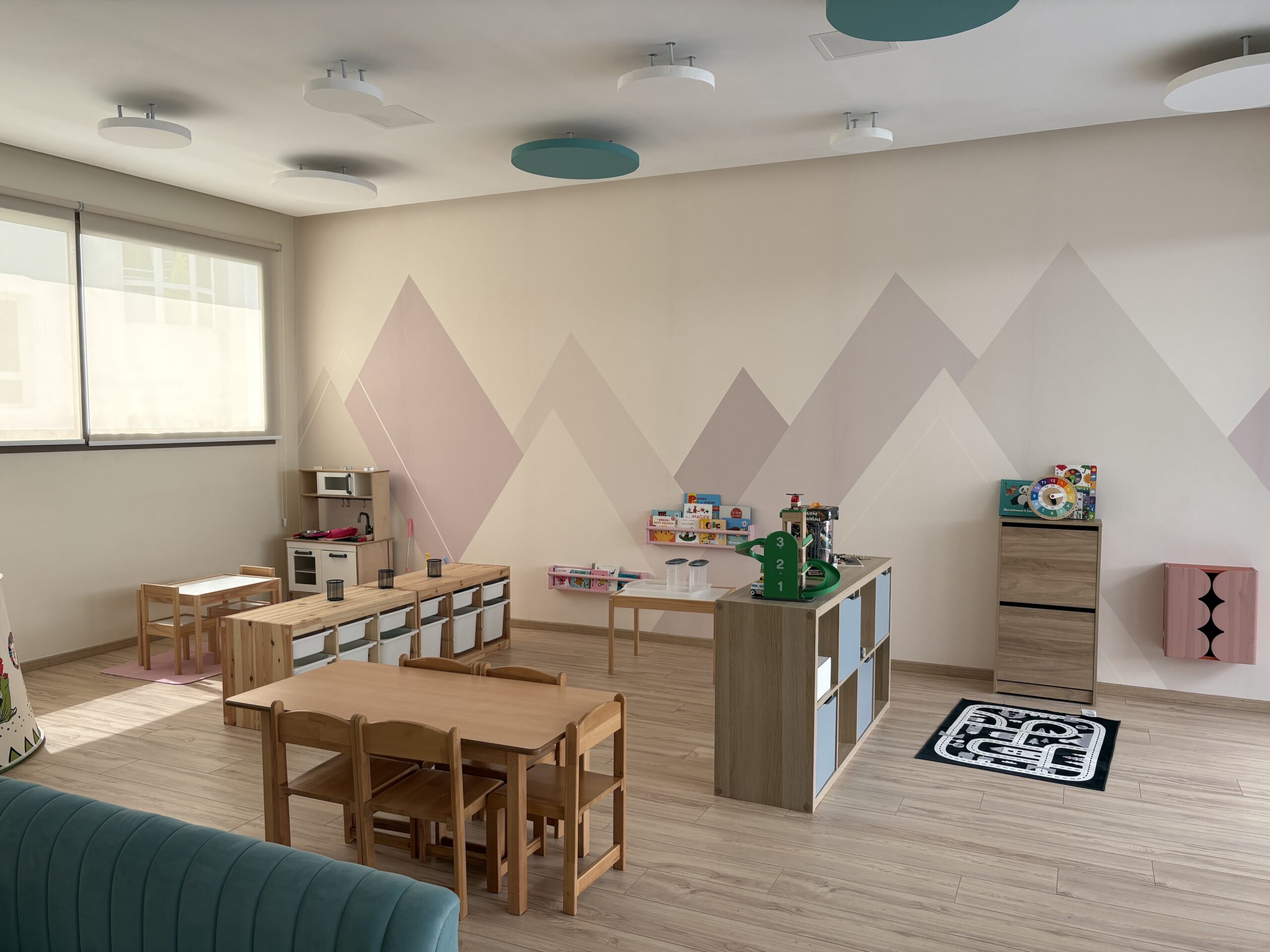
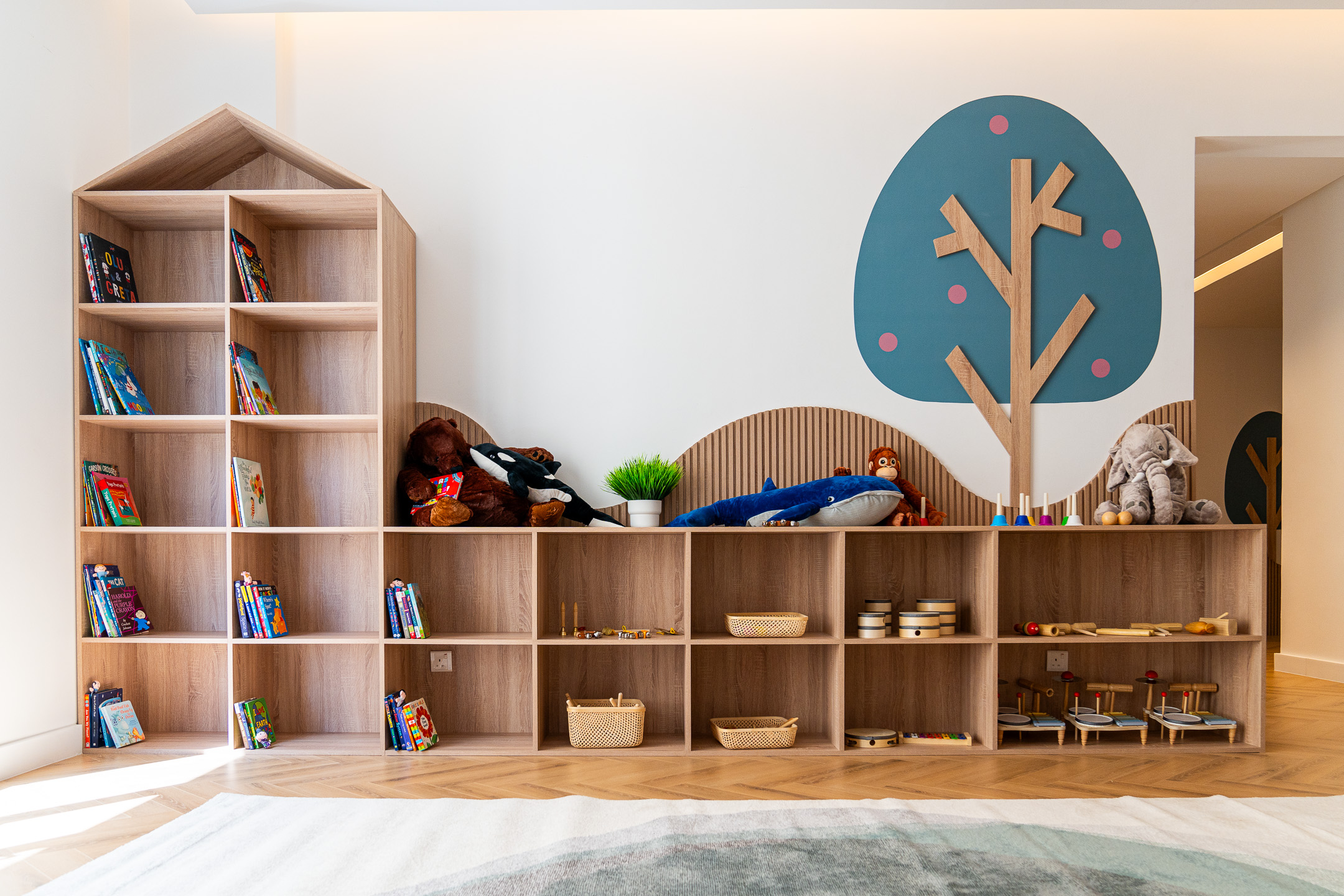
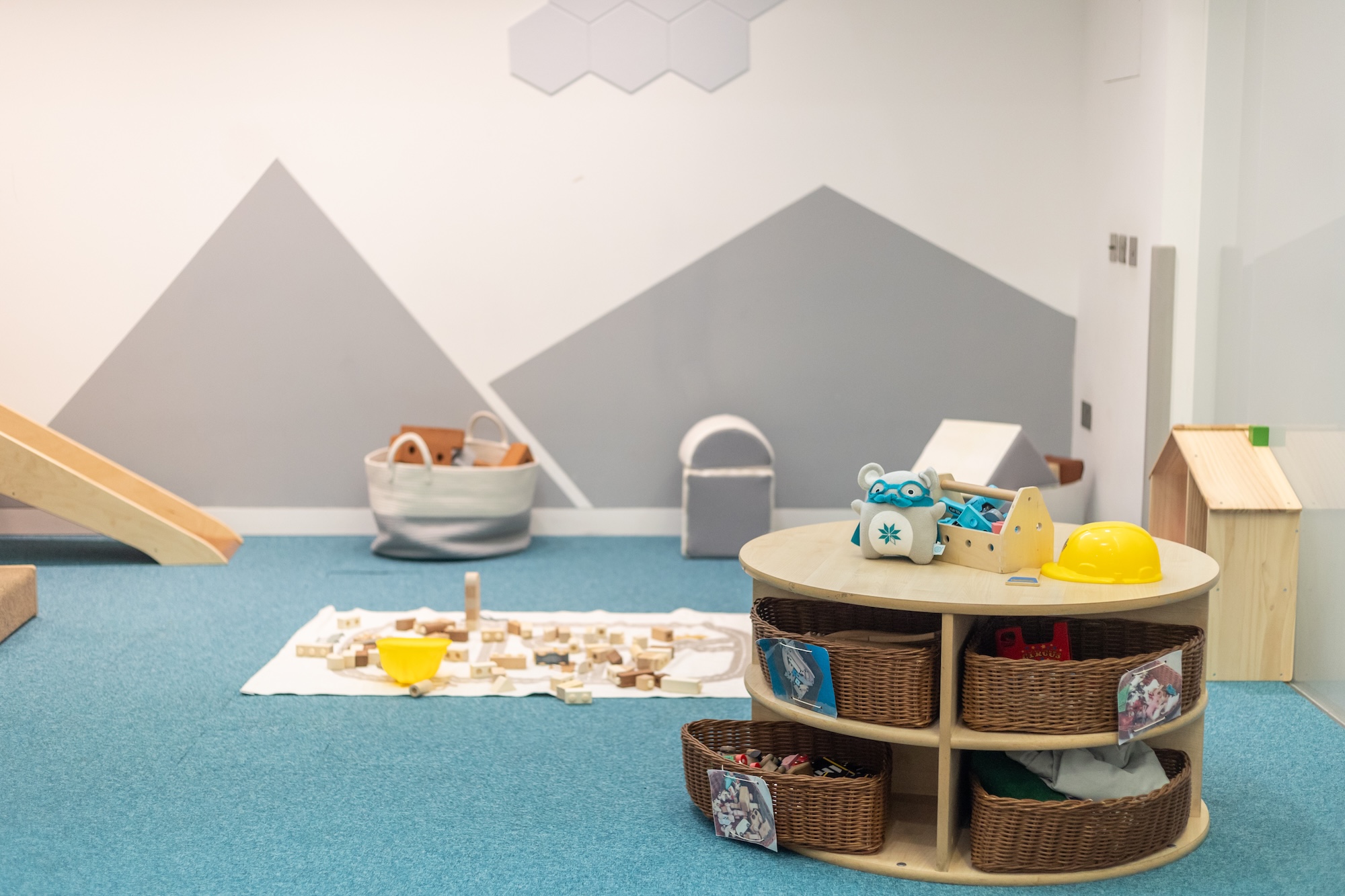
A FinlandWay® classroom looks and feels different from a conventional preschool. There are no rows of desks. There are learning zone: construction, dramatic play, creative arts, reading corners and outdoor exploration. Teachers move between groups, observing, questioning, and extending thinking. Assessment is observational and developmental, not test-based.
This is not a soft or unstructured approach. It is a highly intentional pedagogical framework that requires skilled, trained teachers and a deliberately designed physical environment. The outcomes are well documented: confident curious, socially capable children who are genuinely ready for the next stage of learning.
How curriculum adoption works: phase by phase
| Phase | Timeline | What happens |
|---|---|---|
| Discovery & assessment | Weeks 1–2 | Initial conversation with the FinlandWay® schools team. Assessment of your current curriculum, environment, and team capacity. Review of the curriculum framework and demo materials. |
| Agreement & planning | Weeks 3–6 | Curriculum licence agreement signed. Implementation plan developed for your specific school context, size, and intake age range. |
| Environment design | Weeks 4–8 | Learning environment review and redesign brief. Physical changes to classroom layout, zoning, and outdoor spaces aligned to the FinlandWay® spatial framework. |
| Staff training | Weeks 6–12 | Pre-implementation training programme for your teaching team. Covers pedagogy, observation and documentation, learning environment, and parent communication. |
| Soft launch | Months 3–4 | New curriculum introduced to one age group or room. Teaching team supported by FinlandWay® academic advisor during the initial implementation period. |
| Full implementation | Months 4–6 | Full rollout across all year groups. Ongoing support, quality assurance visits, and curriculum review at the six-month mark. |
| Ongoing partnership | Year 1+ | Annual curriculum updates, continued professional development, parent engagement support, and access to the FinlandWay® school network. |
Adopting the FinlandWay® Finland curriculum is a structured process. It is designed to be thorough without being disruptive, allowing your school to transition effectively while maintaining continuity for enrolled families.
Staff training and professional development
The single most important factor in a successful curriculum transition is teacher quality and confidence. A curriculum is only as good as the educators who deliver it, and the Finnish approach makes specific demands on teachers that differ from a traditional classroom model.
What the training covers
- The philosophy and evidence base of Finnish early childhood education — so teachers understand why they are doing what they are doing, not just how
- Observation and documentation: the core assessment tool in the Finland model is the teacher’s skilled observation of the child. Training covers observation techniques, documentation frameworks, and how to use evidence to guide planning
- Learning environment design: teachers learn how to set up, maintain, and evolve their classroom as an active learning space
- Parent communication: teachers learn how to explain the pedagogy to parents who may be unfamiliar with play-based approaches — a critical skill in markets where academic pressure is high
Ongoing professional development
Training does not end at implementation. FinlandWay® school partners have access to continuing professional development through workshops, online modules and peer observation opportunities. Staff who are continuously learning and developing are the foundation of a school that retains its quality over time.
Communicating the change to parents and your board
One of the most common concerns school leaders raise when considering a curriculum change is how parents will react. In markets where academic achievement is a primary parental concern — particularly across the Gulf and MENA region — this is a legitimate question.
The short answer is that parents who understand the Finnish model become its strongest advocates. The challenge is getting them to understand it before they experience it, and this is where school leadership and communication strategy matter enormously.
For parents
- Hold a parent information evening before the transition begins. Present the evidence base, the learning outcomes, and what day-to-day learning will look like
- Use the FinlandWay® parent engagement toolkit — which includes presentations, FAQs, and translated materials — to support your communication
- Share regular documentation of learning through the FinlandWay app — photos, observations, and development summaries — so parents can see progress in action
- Be prepared for questions about academic readiness for primary school. The evidence that play-based learners transition to formal schooling more effectively than traditionally schooled peers is clear — make sure you can share it
For your board or owners
- Frame the curriculum change as a strategic investment in school differentiation and long-term fee positioning
- Present the market evidence: parents in target markets are increasingly willing to pay a premium for internationally credentialed early years education
- Share the implementation plan and timeline to demonstrate that the transition is structured and risk-managed
- Reference the outcomes data from other FinlandWay® school partners where available

What outcomes can school leaders expect?
Schools that implement the FinlandWay® Finland curriculum effectively report consistent outcomes across three dimensions: child development, school performance, and market positioning.
Child development outcomes
- Stronger social and emotional development: children who can regulate their behaviour, collaborate with peers, and approach challenges with resilience
- Higher levels of intrinsic motivation and curiosity: children who want to learn, rather than children who are compliant in a structured environment
- Effective transition to primary school: the research on play-based early years learners consistently shows stronger primary school performance than traditionally schooled peers
School performance outcomes
- Improved staff retention: teachers who work within a coherent, well-supported pedagogical framework experience higher job satisfaction and stay longer
- Stronger parent retention and referrals: parents who are genuinely engaged with the pedagogy do not leave, and they tell other parents
- Reduced re-enrolment marketing costs: a school with a waiting list does not need to spend heavily on enrolment marketing
Market positioning outcomes
- Clear differentiation from competitors in your market
- Premium fee positioning justified by a globally recognised curriculum brand
- Stronger profile for school expansion, licensing, or franchise opportunities
Is the Finland curriculum right for your school?
The FinlandWay® Finland curriculum is the right choice for school principals and operators who:
- Are committed to delivering genuinely excellent early years education, not just a competent one
- Have a teaching team that is open to professional development and willing to change how they work
- Are operating in a market where parent demand for quality and international credentials is growing
- Want to build a school with a sustainable competitive advantage — one that retains families and attracts new ones through reputation rather than marketing spend
- Are considering expansion, replication, or franchising of their school model in the future
It may not be the right choice for schools where the primary goal is short-term cost reduction, where the teaching team is resistant to change, or where the physical environment cannot be adapted to support active learning. The FinlandWay® schools team will give you an honest assessment of fit during the discovery phase.
Ready to see the FinlandWay® Finland curriculum in action?
Request a curriculum demo from the FinlandWay® schools team. We will walk you through the full framework, show you what implementation looks like in a school like yours, and answer your questions directly.
Frequently asked questions
How long does it take to fully implement the Finland curriculum in a school?
For most schools, the process from initial enquiry to full curriculum implementation takes between four and six months. Larger schools or those requiring significant environment redesign may take longer. The FinlandWay® schools team develops a school-specific timeline during the planning phase.
Does adopting the Finland curriculum mean replacing everything we currently do?
Not necessarily. The implementation approach is tailored to your school’s starting point. Some schools make a full transition from the outset; others adopt the Finland framework progressively, starting with one age group or one room. The approach is agreed during the planning phase.
Will parents accept a play-based approach in markets where academic pressure is high?
This is a common concern, particularly in Gulf and MENA markets. The evidence consistently shows that parents who understand the Finnish model become its strongest advocates. The FinlandWay® parent engagement toolkit is specifically designed to help schools communicate the pedagogy effectively to parents who are unfamiliar with play-based approaches.
What happens if a teacher leaves after we have invested in training?
Staff turnover is a reality in every school. FinlandWay® school partners have access to ongoing training resources that allow new staff to be onboarded into the curriculum framework efficiently. Many partners report that their schools become more attractive to high-quality educators precisely because of the credible pedagogical framework which helps with retention.