
Transitioning from a traditional classroom model to a modern, evidence-based approach is one of the most significant decisions a school principal or operator can make. Done well, it transforms learning outcomes, staff morale, parent satisfaction, and the school’s competitive position in the market. Done poorly, it creates confusion, resistance, and disruption.
This guide sets out the key steps, common pitfalls, and practical considerations for school leaders who are ready to make the shift using the FinlandWay®’s Finland curriculum model as the framework.
| Related: For the complete guide to adopting the Finland curriculum, see adopting the Finland curriculum in your school: a guide for principals |
What does a modern classroom model actually mean?
The term ‘modern classroom’ is used loosely in education circles, but for the purposes of this guide it refers to a specific shift in pedagogical approach from a teacher-led, content-delivery model to a child-led, enquiry-based, holistic learning environment.
The key characteristics of a modern classroom model include:
- Learning is active, not passive. Children are doing, making, exploring, and collaborating rather than sitting, listening, and reproducing
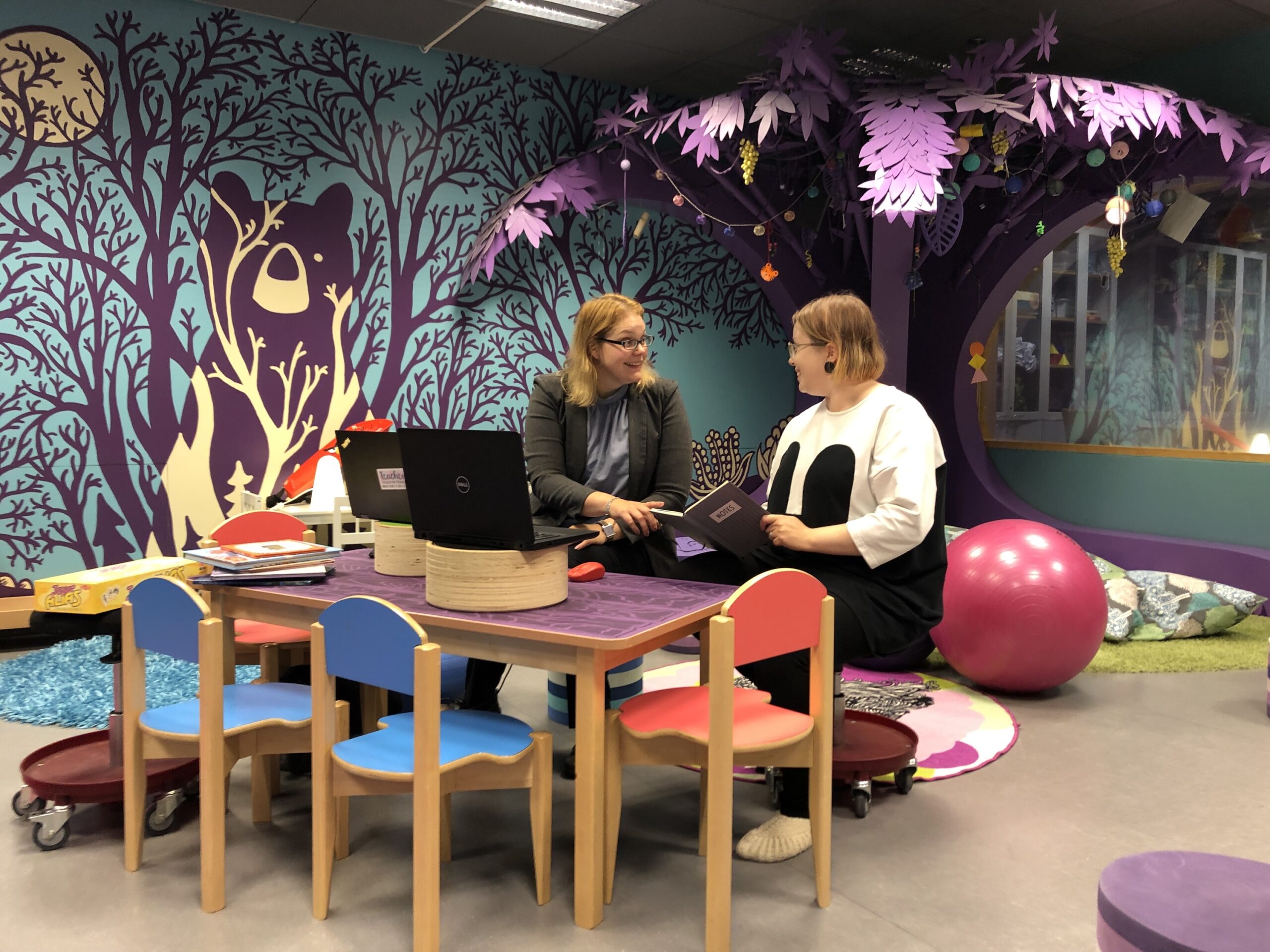
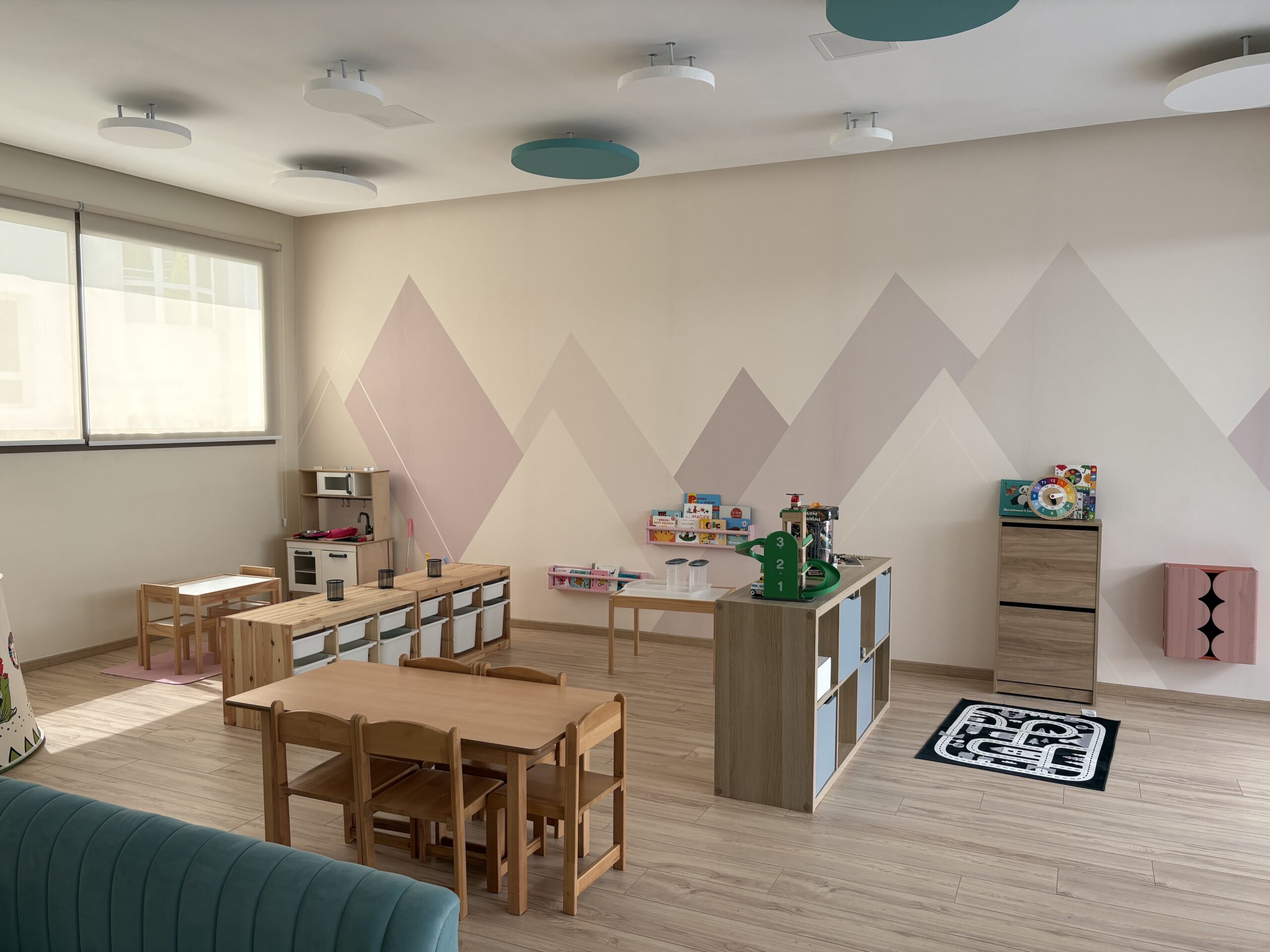
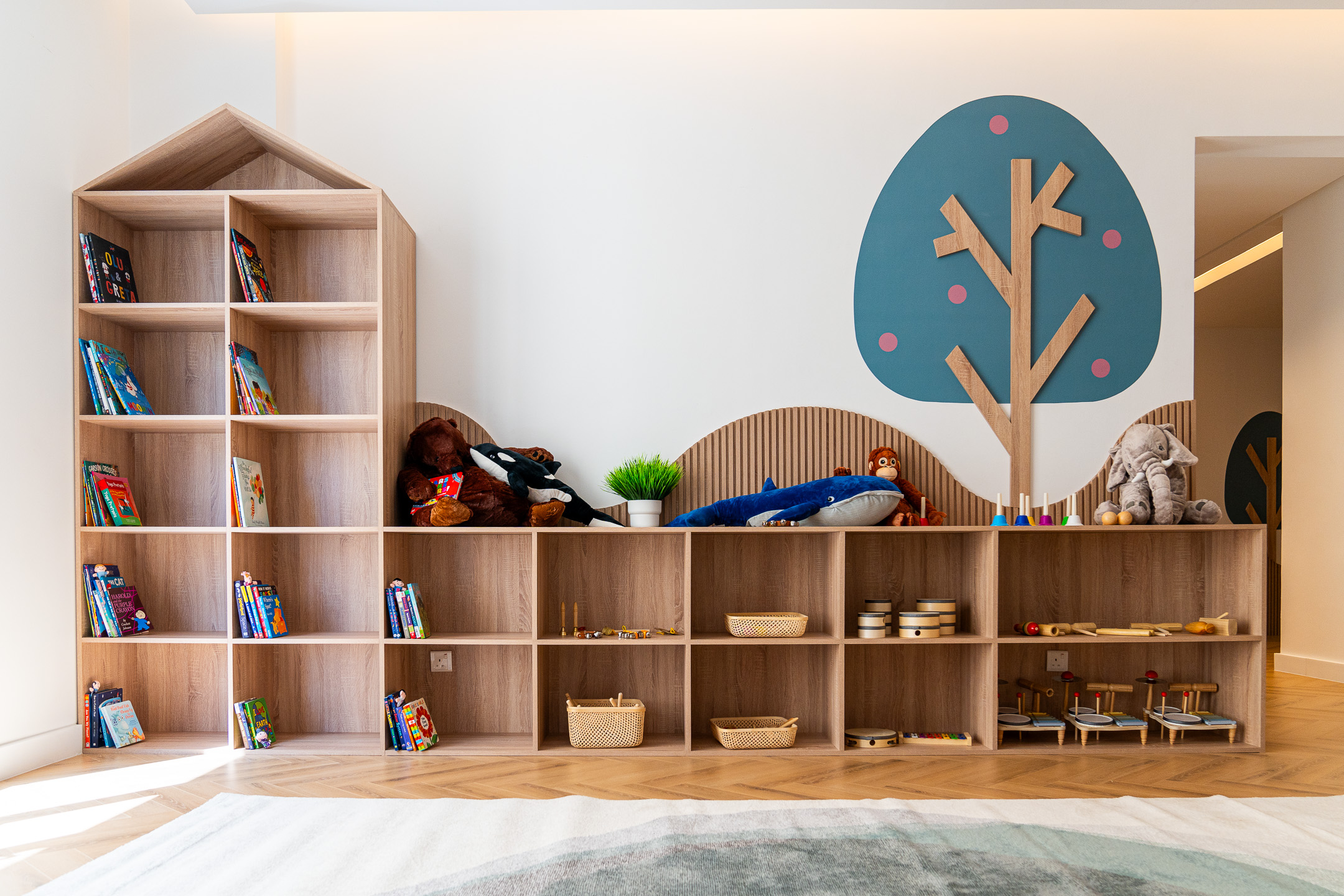
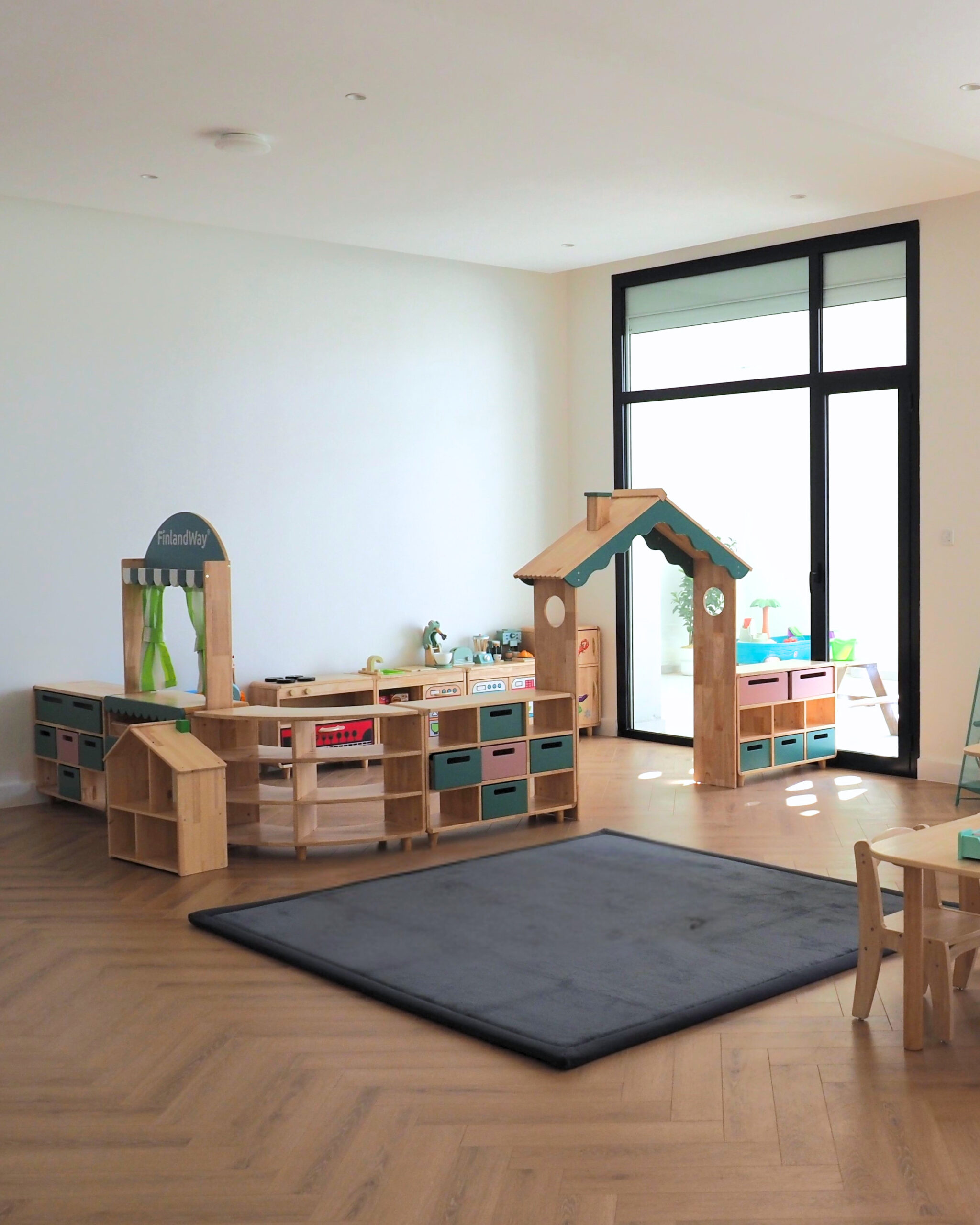
- The environment is intentionally designed. The space, materials, and layout are treated as pedagogical tools, not as containers or as a visual backdrop.
- Assessment is observational and developmental, not test-based
- The teacher’s role shifts from instructor to facilitator guiding, questioning, and extending rather than directing or lecturing
- Learning crosses subject boundaries. Numeracy, literacy, social skills, and physical development are developed in integrated contexts
This is a well-documented, evidence-backed approach with a clear implementation pathway, and the Finland national curriculum and methodology is one of the strongest frameworks for putting it into practice.
Why the transition is challenging — and why it is worth it
It would be dishonest to suggest that transitioning from a traditional to a modern classroom model is straightforward. It requires changes to the physical environment, to teaching practice, to assessment systems, to parent communication, and most importantly to staff mindset. These changes take time, investment, and sustained leadership commitment.
The reasons it is worth it are equally clear:
- Learning outcomes: the evidence consistently shows that children in high-quality, play-based early years environments develop stronger cognitive, social, and emotional foundations than their traditionally schooled peers
- Staff satisfaction: teachers who work within a coherent, child-centred framework report significantly higher job satisfaction, which reduces turnover and its associated costs
- Parent retention: parents who observe and understand the model become advocates. They stay, they refer, and they are far less price-sensitive than parents who cannot articulate what makes the school different
- Market positioning: a school with a credible, internationally recognised pedagogical model commands a fee premium and is far harder for competitors to replicate
The five-stage transition framework
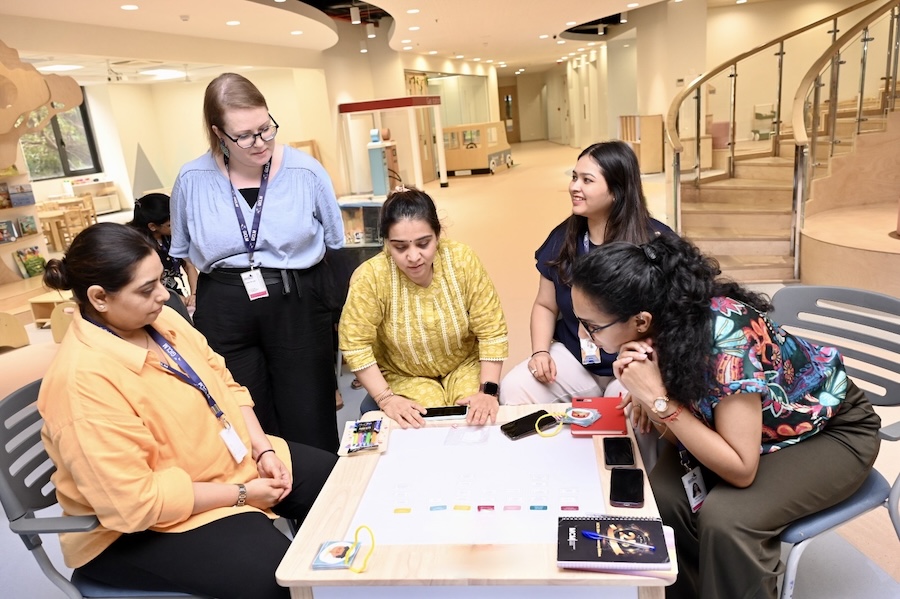
Based on the experience of schools that have successfully transitioned to the FinlandWay® model, the process follows five broad stages. The timeline for each stage varies depending on school size, staff readiness, and the extent of environment redesign required.
| Stage | Focus | Key actions |
|---|---|---|
| 1 Diagnosis |
Understanding where you are now | Audit your current curriculum, environment, staff capability, and parent expectations. Identify the gaps between your current model and where you want to be. |
| 2 Vision & buy-in |
Aligning your team and stakeholders | Define what the modern learning model will look and feel like in your school. Build genuine buy-in with your teaching team and, critically, with your board and parent community before implementation begins. |
| 3 Environment |
Redesigning the physical space | Reconfigure classrooms into learning zones. Address outdoor spaces. Source appropriate materials and resources. The environment change is often the most visible and most powerful signal of real transformation. |
| 4 Pedagogy |
Shifting teaching practice | Deliver structured professional development for your teaching team. This is the deepest and most sustained change. Moving from instruction to facilitation requires practice, feedback, and time. |
| 5 Embed & sustain |
Making the change permanent | Put in place the support systems — observation frameworks, curriculum planning tools, and quality assurance processes — that ensure the new model is sustained as staff change and the school evolves. |
Common pitfalls to avoid
Schools that struggle with curriculum transitions typically make one or more of the following mistakes:
- Starting with the environment and skipping the pedagogy: repainting a room and buying new furniture does not change teaching practice. If teachers are not trained and supported, a redesigned classroom quickly reverts to the old instructional model with different furniture
- Moving too fast: a whole-school transformation attempted in a single term almost always creates chaos and resistance. A phased approach allows teachers to develop confidence and parents to see evidence
- Neglecting parent communication: in markets where academic performance anxiety is high, a curriculum change that is not clearly and proactively communicated to parents will generate fear and opposition. Communication must begin before the transition and address the concerns transparently
- Underestimating the leadership requirement: this kind of change requires sustained, visible, and knowledgeable leadership commitment. It cannot be delegated to a curriculum coordinator and left to run itself
- Treating training as a one-off event: a single training day does not change teaching practice. Sustainable change requires ongoing professional development, peer observation, and reflective practice embedded into the school’s culture
How the FinlandWay® model supports the transition
For school leaders who want to make this transition without building the framework from scratch, the FinlandWay® licensing model offers a structured, supported pathway. Rather than developing your own modern learning approach through trial and error, you adopt a proven system with a stronge evidence base and a dedicated implementation support team.
What this means in practice:
- A clear curriculum framework with space for localisation, so teachers know exactly what they are working towards and why
- A structured environment design brief, so the physical transformation is guided rather than improvised
- A professional development programme, designed specifically for the transition from traditional to Finland-model teaching
- A parent engagement toolkit, so the communication challenge is managed with materials that have been tested in comparable markets
- Ongoing quality assurance and support, so the transition does not stall six months in when the initial energy fades
For the full picture of what curriculum adoption involves, see adopting the Finland curriculum in your school: a guide for principals
For the evidence behind the shift, see Finland vs traditional schooling: an evidence-based comparison for school leaders
Questions to ask before you begin
Before committing to a curriculum transition, school leaders should be able to answer the following questions honestly:
- Do I have the full support of my board or owners for this change, or will I face resistance when the investment becomes clear?
- Is my teaching team genuinely open to changing how they work, or will I need to manage significant resistance?
- Can my physical environment be adapted to support active learning, or are there structural constraints that will limit what is possible?
- Do I have a clear parent communication plan, and am I prepared to invest time in parent education before and during the transition?
- Am I committed to the full process, including ongoing professional development and quality assurance, and am I able to secure adequate time resources for the process?
If the honest answer to any of these questions is uncertain, it does not mean the transition is wrong — it means there is preparation work to do before implementation begins. The FinlandWay® schools team can help you work through these questions during the discovery phase.
Ready to see the FinlandWay® Finland curriculum in action?
Request a curriculum demo from the FinlandWay® schools team. We will walk you through the full framework, show you what implementation looks like in a school like yours, and answer your questions directly.
Frequently asked questions
How long does a full classroom transition take?
For operational schools, a full transition from traditional to modern learning model takes 1-2 months from the start of planning to full implementation. For greenfield units the process takes longer,2-4 months, depending on the site selection.
Do we need to close the school during the transition?
No. The transition is designed to run alongside normal school operations. Environment changes are typically managed during school holidays. Professional development is delivered in sessions that do not require school closure.
What if some of our teachers are resistant to the change?
Resistance from some staff members is normal and expected. That’s why it’s important to communicate the reasons for change and goals clearly and address the concerns.
The most effective approach is to start the professional development process with your most open and capable teachers, allow them to demonstrate the approach in practice, and build confidence across the team through peer observation and shared reflection rather than top-down instruction.
Will the transition affect our exam results or school inspection outcomes?
The FinlandWay model takes local school readiness and other requirements into consideration and we are able to fit in the academic requirements in our programme. All FinlandWay schools must comply with local requirements at all times.