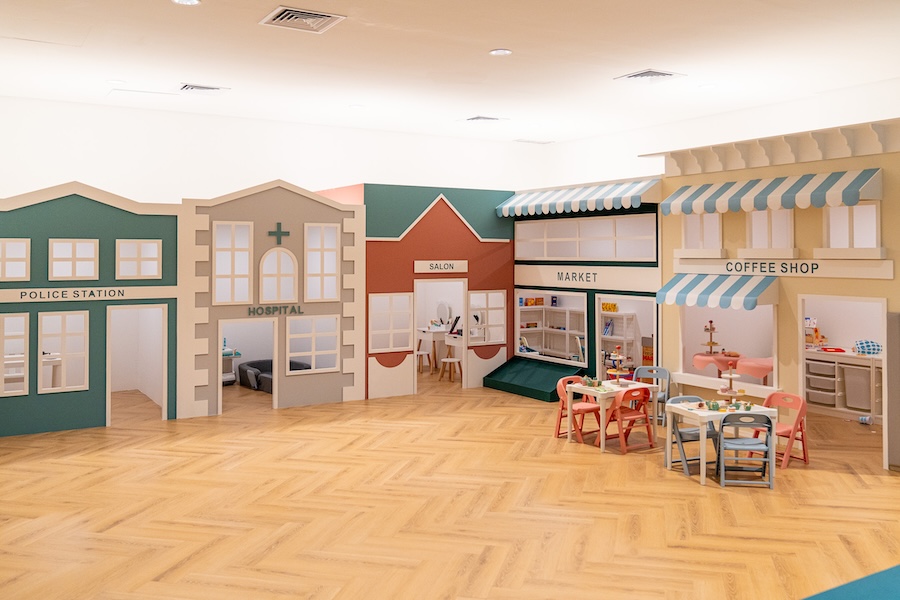

In early years education, the physical environment is an active participant in the learning process. In the Finnish model, the environment is described as the ‘third teacher’: after the lead educator and the peer group, the space itself shapes how children think, explore, and develop.
For school owners and principals, this means that designing a modern learning environment is not an interior design exercise. It is a pedagogical decision with direct consequences for learning outcomes, teacher effectiveness, and parent perception of quality. This guide explains what modern learning environment design involves, what the FinlandWay® spatial framework looks like in practice, and what school operators need to consider before they begin.
| Related: For the full curriculum adoption guide, see adopting the Finland curriculum in your school: a guide for principals |
Why the learning environment matters more than most schools realise
There is a persistent tendency in school management to treat the physical environment as a facilities issue rather than a pedagogical one, something to be managed by the operations team rather than informed by the curriculum team. This is a costly mistake.
The evidence on environment design and learning outcomes is clear:
- Children in well-designed early years environments show significantly stronger engagement, concentration, and self-directed learning behaviour than those in poorly designed spaces
- Teacher effectiveness is directly affected by the environment: a classroom that supports observation, zone-based organisation, and flexible grouping allows teachers to facilitate learning more effectively than a fixed, row-based layout ever can
- Parent perception of quality is heavily influenced by the environment: a purposeful, well-designed learning space communicates quality and intentionality in a way that no marketing material can replicate
- Staff wellbeing and retention improve in thoughtfully designed environments: the physical workspace affects how teachers feel about their work, which in turn affects how long they stay
For school owners, this means that investment in environmental design is a driver of enrolment, retention, and staff performance.
The FinlandWay® spatial framework: seven design principles
The FinlandWay® learning environment is built on seven principles drawn from the Finnish ECEC framework and adapted for international school contexts. These principles apply to both indoor and outdoor spaces and should be considered together, not in isolation.
| Principle | What it means in practice |
|---|---|
| 1 Zone-based organisation |
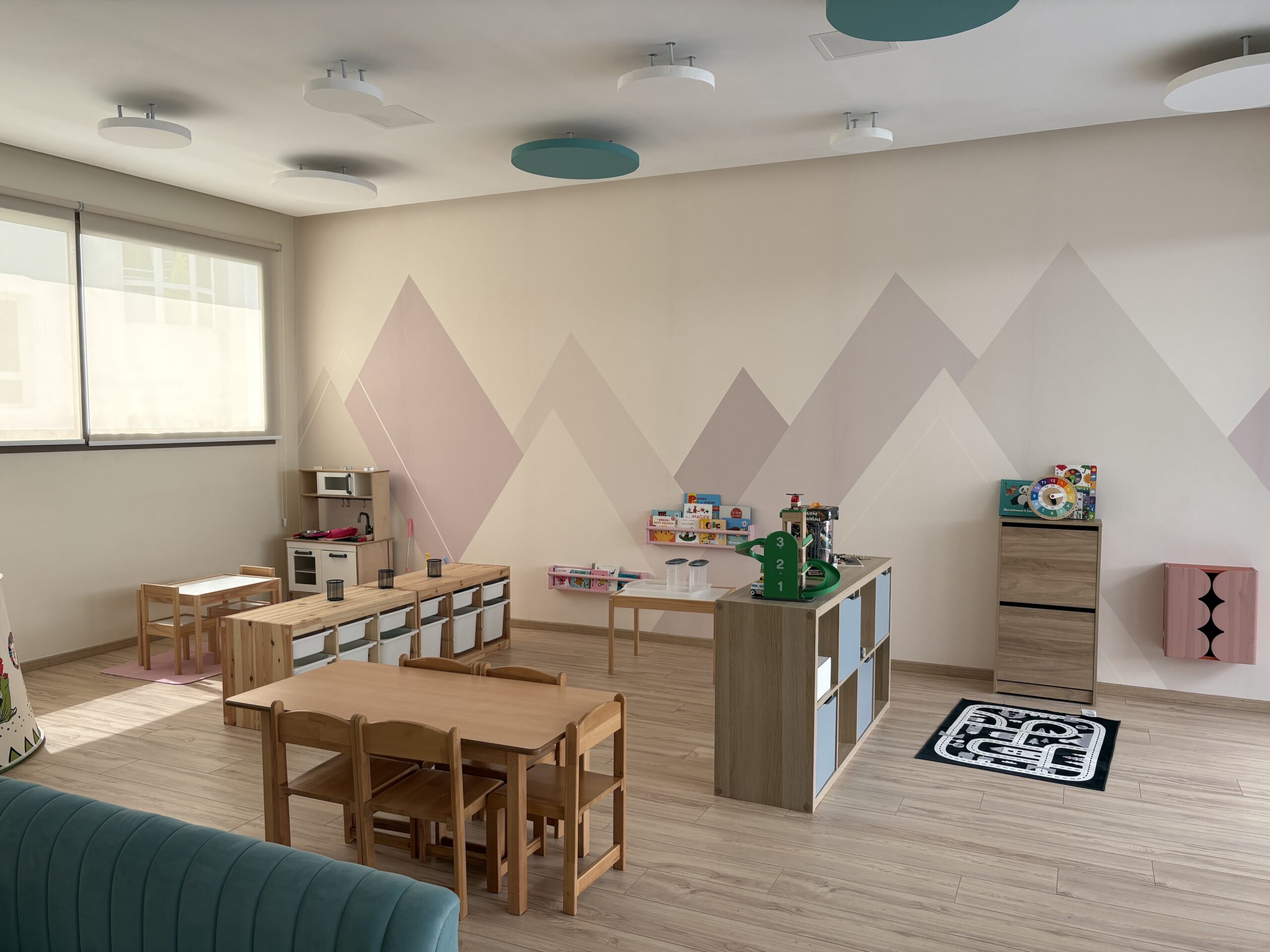
The classroom is divided into distinct learning zones — construction, creative arts, dramatic play, reading, sensory exploration, and outdoor transition. Each zone is purposefully resourced and clearly defined without being physically enclosed. |
| 2 Natural materials and textures |
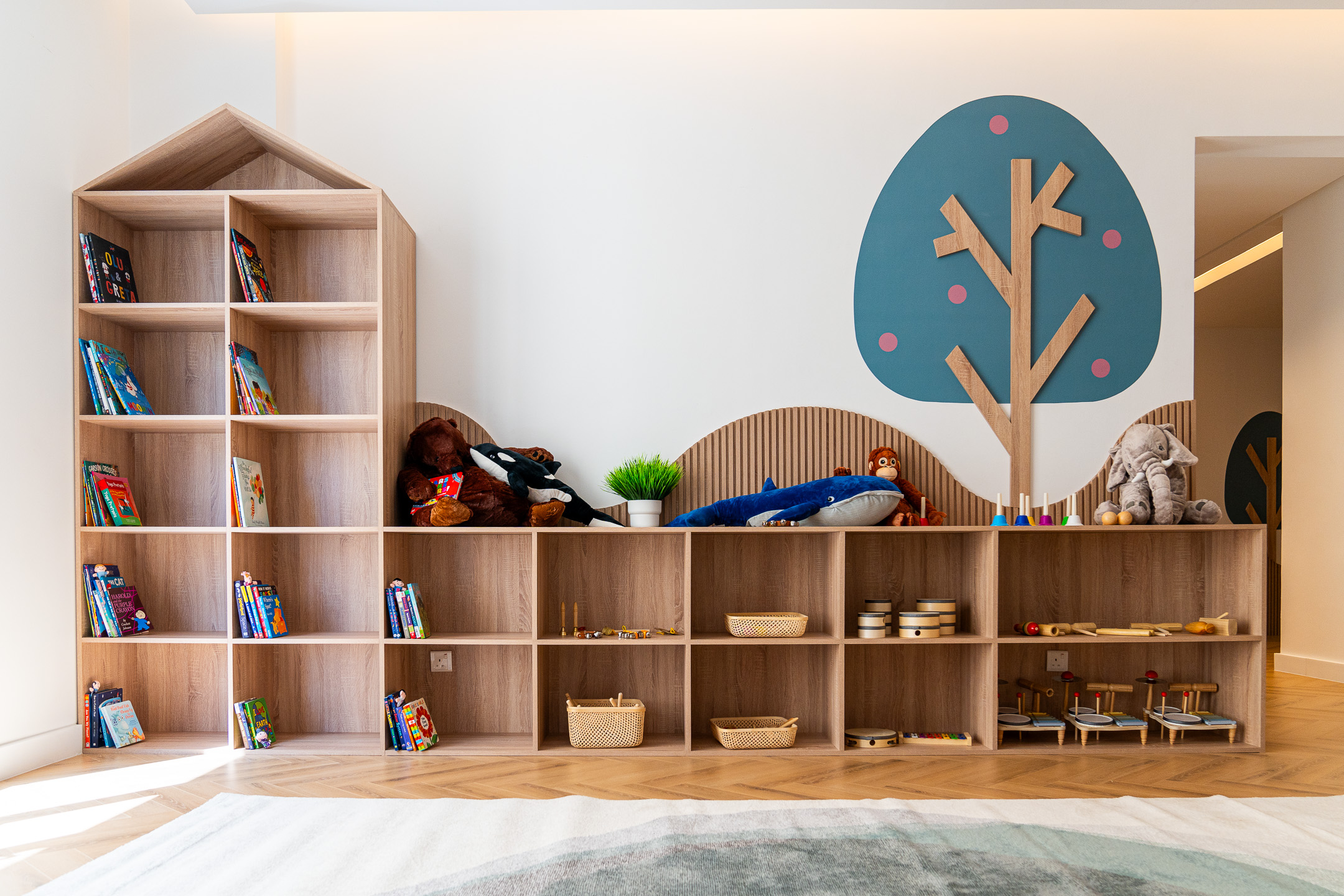
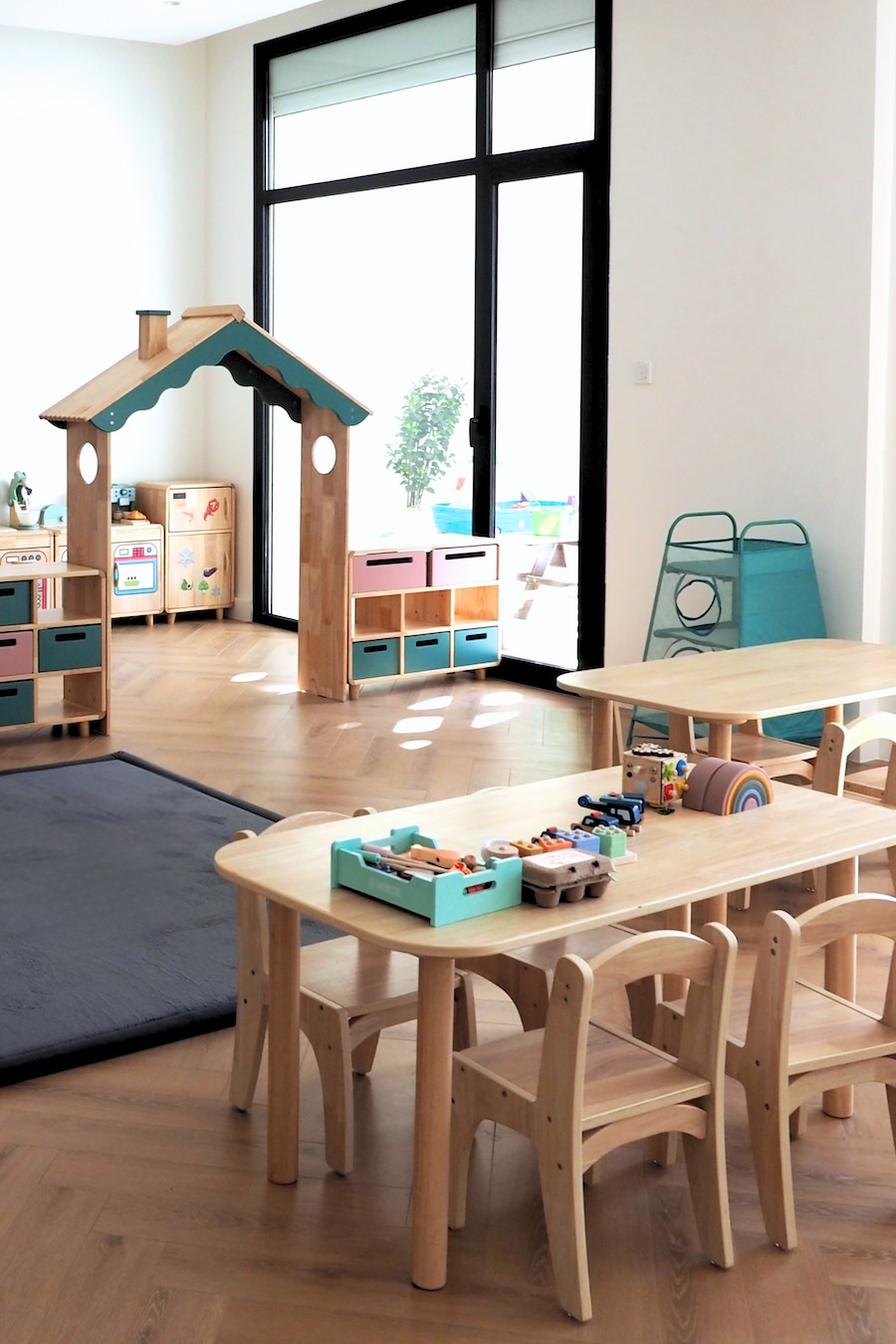
Wood, fabric, plants, stone, and natural light replace plastic and synthetic materials wherever possible. Natural environments are cognitively stimulating and emotionally regulating for young children. |
| 3 Child-scale design |
Furniture, storage, display, and resources are sized and positioned for children, not adults. Children should be able to access, organise, and return resources independently without teacher intervention. |
| 4 Flexible configuration |
Furniture and zones can be reconfigured as the curriculum evolves and as children’s interests shift. The environment is treated as a living system, not a fixed installation. |
| 5 Documentation and display |
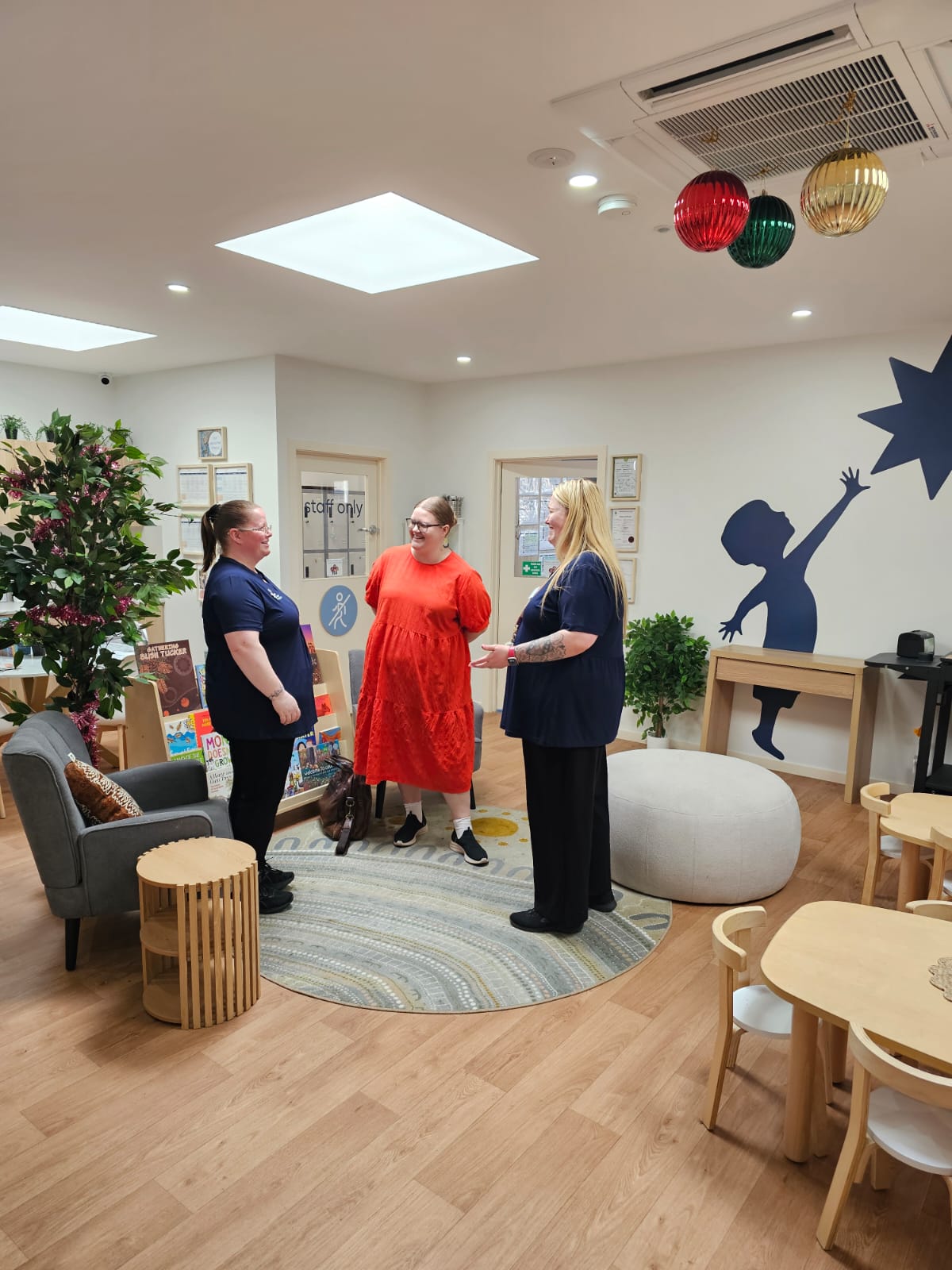
Learning is made visible through documentation — photographs, children’s work, observations, and questions — displayed at child height. This communicates learning values to children, parents, and visitors. |
| 6 Outdoor integration |
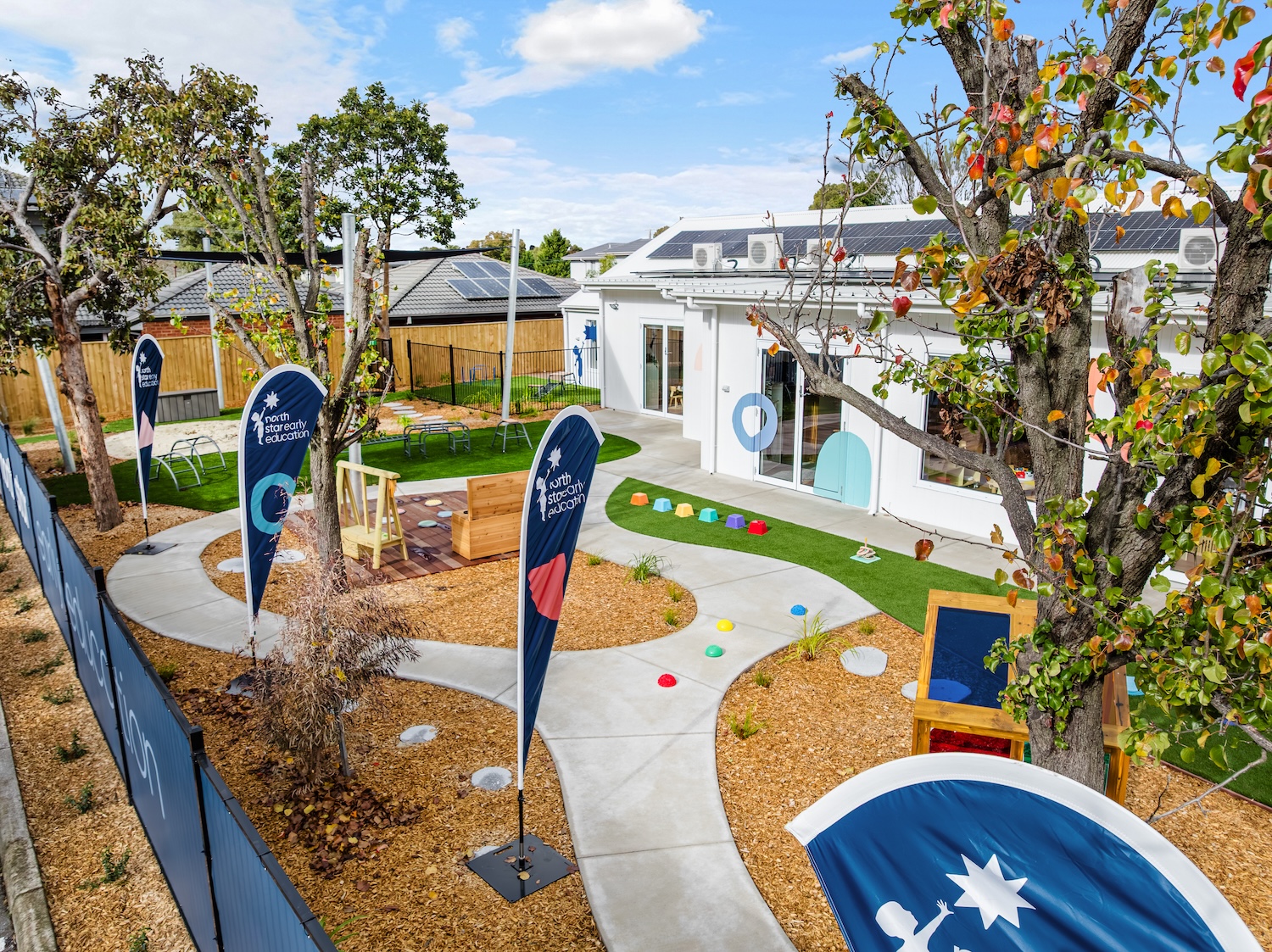
Outdoor space is treated as a full learning environment, not a break area. Weather-appropriate outdoor learning is built into the daily rhythm, with resources and provocations that extend indoor learning into the outdoor context. |
| 7 Calm and order |
The environment is organised, uncluttered, and visually calm. Over-stimulation — too many bright colours, too many displays, too many competing visual inputs — is actively avoided. |
What school owners need to budget for
One of the most common questions from school owners considering an environment redesign is: what does it actually cost? The honest answer is that it depends on the starting point, the size of the school, and the extent of the transformation required.
The key cost categories for a modern learning environment transformation are:
- Furniture: replacing fixed, adult-scale desks and chairs with flexible, child-scale tables, seating, and storage units. This is typically the highest single cost in an environment redesign
- Materials and resources: curated learning materials — natural manipulatives, open-ended art supplies, loose parts, construction materials — replace worksheets and single-use consumables. Initial outlay is higher, but ongoing costs are lower
- Flooring and surfaces: soft floor coverings for certain zones, easy-clean surfaces for creative areas, and outdoor flooring that supports diverse activity
- Lighting: natural light maximisation, warm artificial lighting, and the removal of harsh fluorescent overhead lights where possible
- Outdoor development: if outdoor space is currently used only for unstructured play, developing it as a learning environment requires investment in resources, weatherproofing, and sometimes landscaping
- Display and documentation systems: frames, clipboards, and display boards positioned at child height throughout the space
The FinlandWay® environment design brief, provided to all school partners as part of the implementation process, gives school owners a specific, prioritised list of changes with guidance on sequencing investments for maximum impact.
Common mistakes in school environment design
School owners who attempt to redesign their learning environments without expert guidance consistently make the same mistakes. Knowing what they are saves significant time and money.
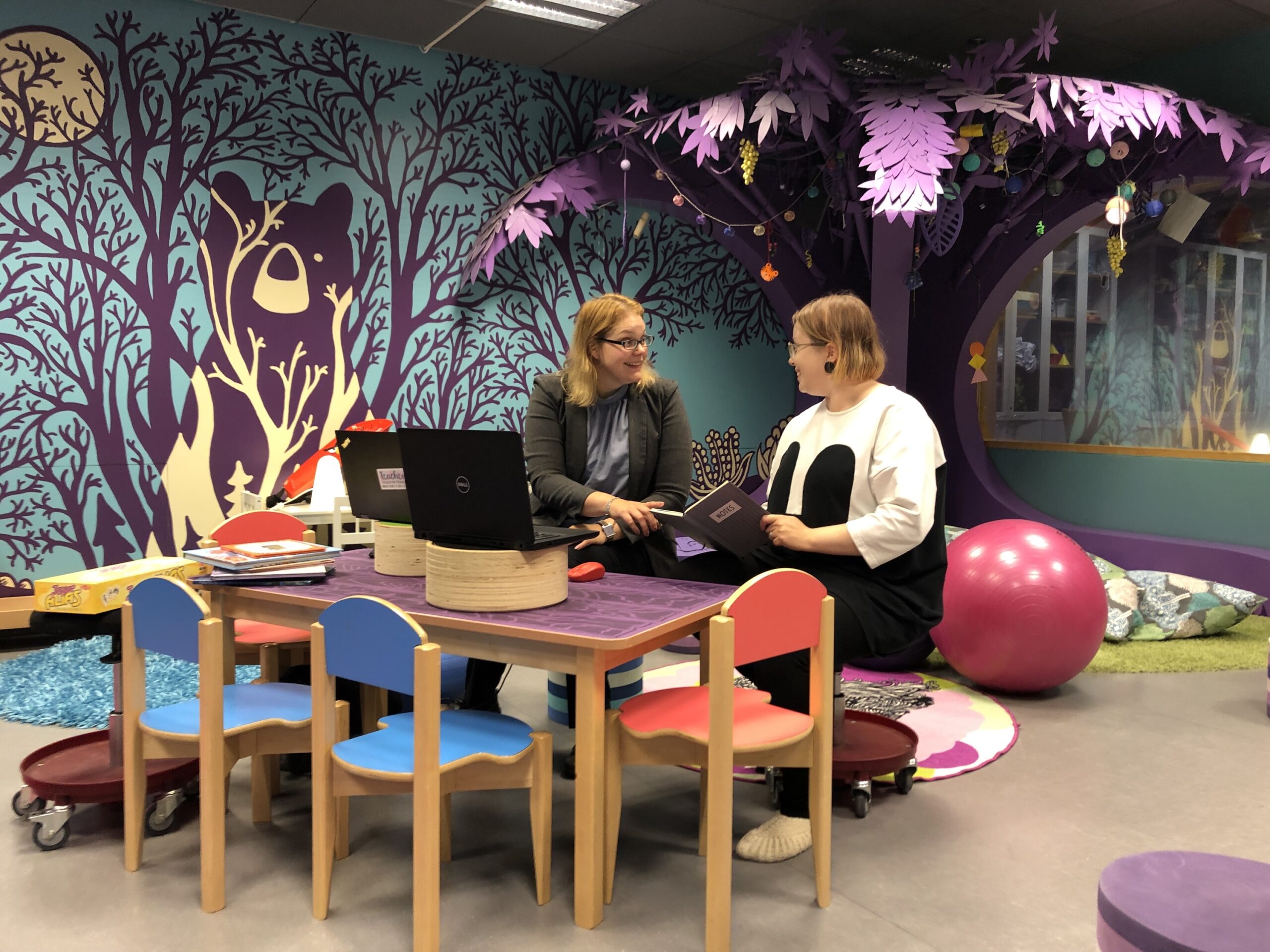
- Treating it as a decorating project: adding bright murals, themed décor, and colourful displays is not the same as designing a learning environment. In fact, visual over-stimulation is one of the most common barriers to effective learning in early years settings
- Buying furniture before understanding the pedagogy: the furniture brief should follow from the curriculum framework, not precede it. Principals who buy new furniture before understanding how it will be used almost always need to replace or supplement it within a year
- Neglecting the outdoor environment: the outdoor space is as important as the indoor space in the Finnish model. Schools that invest heavily in indoor redesign and leave the outdoor space as a standard play area miss a significant opportunity
- Ignoring staff input: teachers who work in the space every day have invaluable knowledge about what works and what does not. Environmenl design is most effective when it is developed collaboratively with the teaching team, not imposed on them
- Completing the redesign all at once: a full environment transformation during a school holiday is ambitious and often results in a space that teachers have not had time to understand and build confidence with. A phased approach — zone by zone, term by term — is almost always more effective
How FinlandWay® supports environment design
The FinlandWay® implementation process includes a dedicated environment design component. This is not a generic checklist — it is a school-specific brief developed in collaboration with the principal and teaching team, informed by the school’s intake age range, physical space, and budget.
What the environment design support includes:
- A spatial audit of your current environment: identifying what is working, what needs to change, and what the priorities are
- A FinlandWay® environment design brief: a specific, actionable guide to the zones, furniture, materials, and outdoor development needed to implement the curriculum effectively
- Supplier guidance: recommendations for furniture and materials suppliers in your market, with guidance on quality and specification
- Phasing plan: a sequenced approach to environment transformation that allows the school to implement changes progressively without disrupting operations
- Staff orientation: a session that walks the teaching team through the redesigned environment before children arrive, building understanding and confidence
- environment before children arrive, building understanding and confidence
For the full implementation process, see adopting the Finland curriculum in your school: a guide for principals
For the transition framework, see how to transition from a traditional classroom to a modern learning model
Questions to ask before you begin an environment redesign
Before investing in an environment transformation, school owners should be clear on the answers to the following questions:
- What is our current curriculum framework, and does our environment actually support it? Many schools have a stated commitment to child-centred learning, but a physical environment that still reflects traditional, teacher-fronted practice
- What is our budget, and how are we prioritising it? A phased approach with clear priorities is more effective than spreading a limited budget across every element of the environment simultaneously
- Do we have a facilities management plan that will maintain the environment over time? A beautifully designed learning space deteriorates quickly without a clear approach to maintenance, resource replenishment, and ongoing development
- Have we involved the teaching team in the design process? The best environment designs are developed with teachers, not for them
See the FinlandWay® learning environment in action
Request a curriculum demo from the FinlandWay® schools team and see what a purposefully designed Finland-model learning environment looks like — and what it takes to create one in your school.
Frequently asked questions
Do we need to completely rebuild our classrooms to implement the Finnish curriculum?
Not necessarily. Many schools implement the FinlandWay® curriculum with relatively modest environment changes — reconfiguring furniture, adding zone-defining elements, and improving resource organisation — rather than a full rebuild. The environment design brief is specific to your starting point and will identify the highest-impact changes within your budget.
How long does an environment transformation take?
A full environment transformation typically takes between four and eight weeks of physical work, usually completed during school holidays. A phased approach spreads this over one to two terms. The planning and design phase — developing the brief, selecting furniture, and ordering materials — typically takes four to six weeks before physical work begins.
Can we implement the environment changes ourselves, or do we need a specialist?
The FinlandWay® environment design brief is designed to be implemented by school operations staff with standard facilities management capability. It does not require specialist contractors for most elements. Where specialist work is required — such as outdoor landscaping or significant structural changes — the FinlandWay® team can advise on specification and quality standards.
What is the most important single change a school can make to its environment?
The single highest-impact change in most traditional early years environments is replacing fixed, row-based seating with flexible, child-scale furniture and creating at least two or three distinct learning zones. This change alone significantly alters the learning dynamic and gives teachers the physical conditions they need to facilitate rather than instruct.
How does the outdoor environment fit into the Finnish model?
Outdoor learning is not optional in the Finnish model — it is a core component of the daily curriculum. The outdoor environment should be resourced and designed with the same intentionality as the indoor environment, with specific zones for physical development, nature exploration, construction, and creative play. The FinlandWay® environment design brief includes a dedicated outdoor development section.